

Grant Green guitar style is jazz guitar played like a saxophone: one note at a time, almost no chords, deep blues feeling and a swing that never lets go. He was the house guitarist at Blue Note Records in the early 1960s and made Idle Moments, one of the best loved guitar records in jazz. This post covers his life, why he sounded like a horn, his gear, four lessons with original tab in F, and a free printable practice sheet.
Quick answer: what is Grant Green guitar style? He played single note lines shaped like a horn player’s phrases, with space to breathe, very few chords, blues scale ideas over every chord, and riffs built from one note repeated with a strong swing. He said he learned by copying Charlie Parker solos, not other guitarists.
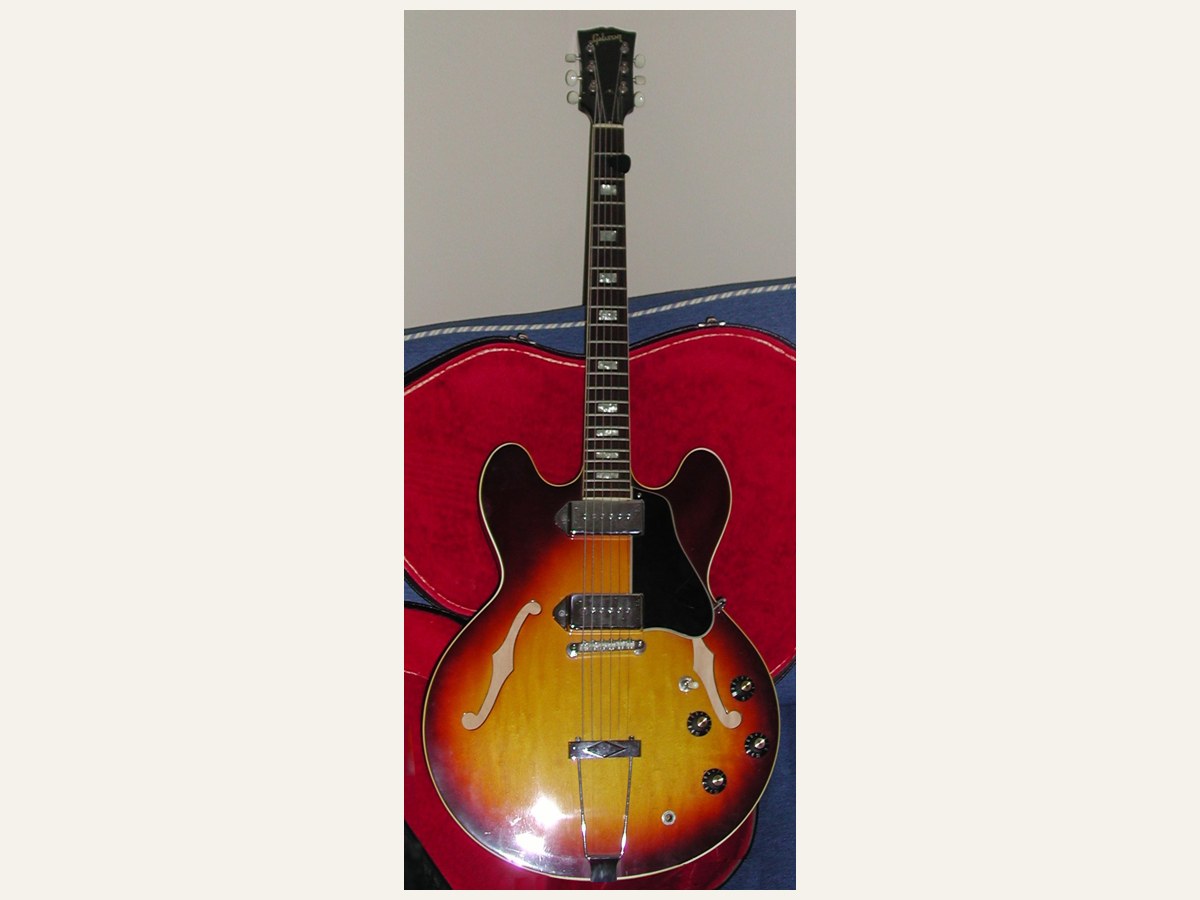
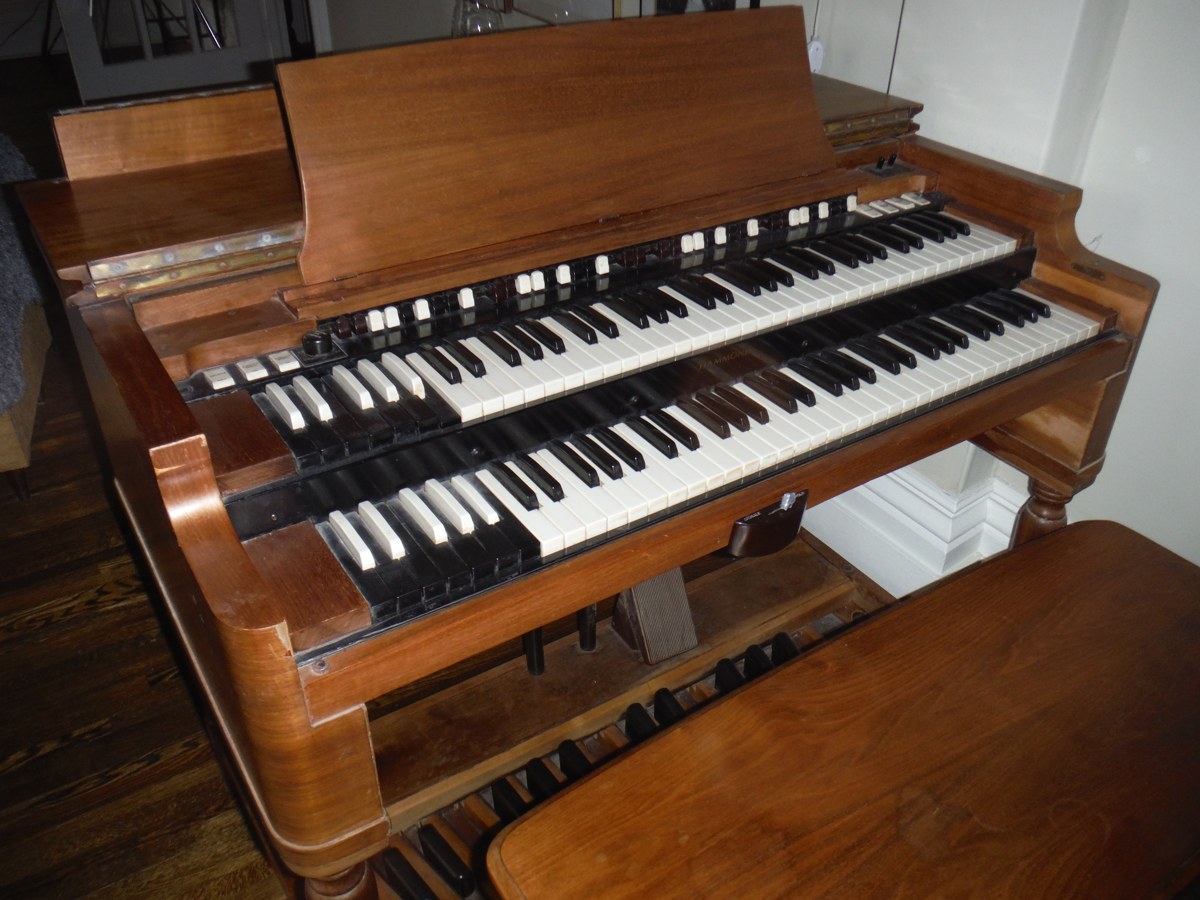
I teach guitar in Darwin, and I flag my own teaching opinions as mine. This is the sixth post in my series on influential guitarists who deserve more attention, after Clarence White guitar technique, Wilko Johnson guitar technique, Franco Luambo guitar style, Hubert Sumlin guitar technique and Eddie Hazel guitar style. There is no free licensed photo of Grant Green himself, so the pictures here show the kind of guitar he played and the organ that shaped his sound.
You do not need to be a jazz player to get something from this. If you can play a minor pentatonic box and a 12 bar blues, you already have most of the notes. What Green adds is phrasing and rhythm, and those are skills every guitarist can use.
Who was Grant Green?
Grant Green was born in St. Louis, Missouri, on 6 June 1935. Many older books give 1931, but JazzTimes points out that his daughter in law Sharony Andrews Green showed the correct year in her biography of him. He started playing at around 13 and was soon working with a gospel group.
The first music he learned was boogie woogie, and he played rock and roll and rhythm and blues in the clubs of St. Louis and East St. Louis. In a DownBeat interview quoted by Blue Note Records, he summed it up simply: “It’s all blues, anyhow.” That blues base never left his playing.
The saxophonist Lou Donaldson heard him in a St. Louis bar, took him on tour and introduced him to Alfred Lion, the founder of Blue Note. Green moved to New York in 1960, and within months he was recording for the label. His first album as a leader, Grant’s First Stand, came out in 1961, and in 1962 he won the New Star award in the DownBeat critics poll.
For the next few years he was everywhere at Blue Note, as a leader and as a sideman with Hank Mobley, Ike Quebec, Stanley Turrentine, Lee Morgan, Herbie Hancock and many organists, including Brother Jack McDuff, Big John Patton and Larry Young. Drug problems took him away from music from about 1967 to 1969. He came back with funkier records such as Green Is Beautiful (1970) and Live at the Lighthouse (1972), moved to Detroit, and recorded into the late 1970s.
He fell ill in 1978 and died of a heart attack in New York on 31 January 1979, aged 43. He was badly underrated in his lifetime, and the Blue Note biography calls him one of the great unsung heroes of jazz guitar.
Why Grant Green sounded like a saxophone
The heart of Grant Green guitar style is a choice about who to listen to. He named Charlie Christian as his main guitar influence, but he told the writer of the Grant’s First Stand liner notes that he hardly listened to guitar players at all: “just horn players. I used to sit up all night copying Charlie Parker’s solos note for note.” Blue Note’s biography adds Miles Davis to the list.
You can hear it in three ways. First, he almost never strums chords in a solo; the Blue Note biography says no other player has his kind of single note linearity. Second, his phrases have the length of a breath, so they start, say something and stop. Third, he picks nearly every note, which gives each one a clear attack like a tongued note on a sax.
This is what I call horn like guitar phrasing, and it is the most useful idea you can take from him. When you sing a phrase before you play it, you automatically leave gaps where a singer or sax player would breathe. Many guitarists never stop, because the instrument does not force them to. Green stopped all the time, and the silences make the notes count.
Rhythm is the other half. JazzTimes describes his single line statements as rhythmically brilliant, with intriguing use of staccato notes. He loved to take one note, or a tiny group of two or three notes, and hammer it out against the beat until the tension became almost unbearable, then release it. These repeated note licks are one of the easiest parts of his sound to learn and one of the most fun.
He also moved short motifs around the bar. A three note idea might start on beat 1, then on the and of 1, then on beat 2, so the same notes sound new each time. The guitarist and teacher Garrison Fewell describes him as a master of this kind of rhythmic displacement, which makes the bar lines seem to disappear before he lands right back on the beat.
Gear and tone: ES 330, L7 and a clean amp
According to JazzTimes, Green favoured a Gibson ES 330 with single coil P90 pickups in his early years. The ES 330 is a thin hollow body, similar to an ES 335 but without the solid centre block. Later he played a Gibson L7 archtop fitted with a McCarty pickguard pickup, and he also used an Epiphone Emperor and a D’Aquisto New Yorker.
His tone is warm and dark, with a strong midrange and almost no effects. According to his protege George Benson, Green turned the bass and treble down on his amp to push the midrange forward. Fewell notes that studios of the time often had small Fender amps, and that Green also used Gibson amps and a Fender Twin. The exact amp on each record is not documented, so treat the settings below as my starting points, not his.
- Guitar: any hollow or semi hollow body, or a solid body on the neck pickup.
- Tone knob: rolled back a little to soften the top end.
- Amp: clean, with bass and treble turned down and the middle up, as Benson described.
- Strings: heavier gauges or flatwounds help, but they are not required.
- Effects: none. A touch of room reverb at most.
- Pick: a firm pick, played near the neck end of the strings for a rounder attack.
If you only have a Strat or a Tele, you can still get close. Use the neck pickup, roll the tone back, and pick lightly. If you want to understand why a clean valve amp sounds warm at low volume, see my guide to understanding tube amps.
Lesson 1: horn breath phrasing
All the lessons use an F blues, the key Green often played in, and one box of the F minor pentatonic scale at the 8th fret: e string 8 and 11, B string 9 and 11, G string 8 and 10, D string 8 and 10. If the box is new to you, my post on the modes of the minor pentatonic scale shows how it fits on the neck.
How to read the tab: dots are the string lines, numbers are frets, and the top line counts eighth notes. Play with a swing feel, so the and of each beat comes a little late. Start at about 70 bpm with the click on beats 2 and 4, which is how jazz players feel the groove.
This first exercise is a two bar phrase followed by two bars of silence. Sing it first, then play it, then count the rest out loud. It is short on purpose. The aim is to feel how a sax player would phrase it and to stop exactly where the breath would run out.
     1   &   2   &   3   &   4   &     1   &   2   &   3   &   4   &     1   &   2   &   3   &   4   &     1   &   2   &   3   &   4   &
e  |.....8..11...8....................|..................................|.............8.......8............|..................................|
B  |................11...9............|..................................|.....9..11...................9....|..................................|
G  |............................10....|..................................|..................................|..................................|
D  |..................................|..................................|..................................|..................................|
                                         rest, breathe                                                         rest, breathe
Once that feels natural, make up your own two bar phrases using the same box and keep the two bar rests. This one change will improve your soloing in any style more than another scale would.
Lesson 2: repeated note licks
Here the high F on the e string at the 13th fret is repeated in steady eighth notes. Over F7 it is the root. When the chord moves to Bb7 the note stays the same, but now it is the 5th of the chord, so the same pitch suddenly sounds different. That is the magic of the repeated note idea: you let the band change around you.
     1   &   2   &   3   &   4   &     1   &   2   &   3   &   4   &     1   &   2   &   3   &   4   &     1   &   2   &   3   &   4   &
e  |....13..13..13..13..13..13..13..13|....13..13..13..13..13..13..11..13|....13..13..13..13..13..13..13..13|....13..13..13..13..11...8........|
B  |..................................|..................................|..................................|.............................9....|
G  |..................................|..................................|..................................|................................10|
D  |..................................|..................................|..................................|..................................|
      F7  > accent 2 and 4                                                  Bb7 same note, new chord
Accent beats 2 and 4, and keep every note the same length. Use alternate picking, down on the beat and up on the and. If your picking hand tires, slow down rather than tense up. The swing should come from the accents, not from rushing.
Next comes a cell of three notes: Ab hammered on to A, then F on the G string. Because three notes repeat inside a bar of eight eighth notes, the pattern starts in a different place each time it comes round. This is a classic way of creating cross rhythm, and you will find versions of it in many Grant Green licks.
     1   &   2   &   3   &   4   &     1   &   2   &   3   &   4   &
e  |..................................|..................................|
B  |.....9..10.......9..10.......9..10|.........9..10.......9..10........|
G  |............10..........10........|....10..........10..........10....|
D  |..................................|..................................|
      h   h   h groups of 3
The Ab to A move is the blues sound of the minor third bending towards the major third. On a horn it would be a smear; on the guitar a quick hammer on gets the same effect. Keep it light and let the F ring slightly longer.
Lesson 3: moving a motif across the bar
This exercise takes one three note motif, F, Ab and C, and starts it in four different places: on 1, on the and of 1, on 2, and on the and of 2. The notes never change. Only the rhythm moves, and yet each bar sounds like a new idea. This is the displacement trick Fewell describes.
     1   &   2   &   3   &   4   &     1   &   2   &   3   &   4   &     1   &   2   &   3   &   4   &     1   &   2   &   3   &   4   &
e  |.............8....................|.................8................|.....................8............|.........................8........|
B  |.........9........................|.............9....................|.................9................|.....................9............|
G  |....10............................|........10........................|............10....................|................10................|
D  |..................................|..................................|..................................|..................................|
      on 1                                   on & of 1                              on 2                                   on & of 2
Count out loud and tap your foot. Starting on an off beat is the hard part, so say the count and play on the word. If off beat starts are new to you, my post on the basics of syncopation covers the counting in more detail.
Then try a bebop style turnaround for bars 11 and 12. It walks down chromatically from Bb through A and Ab, back up to A, then down the G string to D, and finally climbs to land on F. These half step moves are where you hear the Charlie Parker side of Green.
     1   &   2   &   3   &   4   &     1   &   2   &   3   &   4   &
e  |..................................|..................................|
B  |....11..10...9..10................|..................................|
G  |....................10...9...8...7|.....................9..10........|
D  |..................................|.....8...9..10....................|
      Bb  A   Ab  A   chromatic                          E to F
Lesson 4: a full F blues chorus
Now put it all together into a chorus of Grant Green guitar style. This 12 bar chorus uses the horn breath phrase, the repeated F, the moving motif, the three note cell and the chromatic turnaround. The chord names sit under each bar so you know where you are. Play it with a backing track or a looper, and practise one line of four bars at a time before you join them.
     1   &   2   &   3   &   4   &     1   &   2   &   3   &   4   &     1   &   2   &   3   &   4   &     1   &   2   &   3   &   4   &
e  |.....8..11...8....................|..................................|....13..13..13..13..13..13..11..13|....13..13..13..13..11...8........|
B  |................11...9............|..................................|..................................|.............................9....|
G  |............................10....|..................................|..................................|................................10|
D  |..................................|..................................|..................................|..................................|
      F7                                 Bb7                                F7                                 F7
     1   &   2   &   3   &   4   &     1   &   2   &   3   &   4   &     1   &   2   &   3   &   4   &     1   &   2   &   3   &   4   &
e  |....13..13..13..13..13..13..13..13|....13..13..13..13..11...8........|.............8....................|.................8................|
B  |..................................|..................................|.........9........................|.............9....................|
G  |..................................|..................................|....10............................|........10........................|
D  |..................................|..................................|..................................|..................................|
      Bb7                                Bb7                                F7                                 F7
     1   &   2   &   3   &   4   &     1   &   2   &   3   &   4   &     1   &   2   &   3   &   4   &     1   &   2   &   3   &   4   &
e  |..................................|.............8....................|..................................|..................................|
B  |.....9..10.......9..10.......9..10|....................11...9........|....11..10...9..10................|..................................|
G  |............10..........10........|....10......................10....|....................10...9...8...7|.....................9..10........|
D  |..................................|..................................|..................................|.....8...9..10....................|
      C7                                 Bb7                                F7  D7                             Gm7  C7
This chorus is my own original study in his style, not a transcription of any Grant Green solo. I find it is a gentle way into jazz blues guitar for beginners, because the notes come from a box most players already know. Once you can play it cleanly, change one bar at a time and make it yours.
Be patient with yourself. Repeated notes and long rests feel strange at first, especially if you come from rock. In my teaching the players who struggle most are not the slow ones but the ones who fill every gap. Leave space, and Grant Green guitar style starts to happen on its own.
Albums to study (Idle Moments and more)
Many organ trio records of the time had no bass player; the organist played the bass lines with the left hand or the pedals. That leaves a lot of room for the guitar, and it is why Green’s single lines stand out so clearly. When you listen, follow the organ as well as the guitar.
If you only buy one record, make it Grant Green Idle Moments. Blue Note’s own review calls it the essential first Green purchase. It was recorded in November 1963 with Joe Henderson, Bobby Hutcherson, Duke Pearson, Bob Cranshaw and Al Harewood, and the title track runs for almost 15 minutes at a slow, dreamy tempo.
- Grant’s First Stand (1961): his debut as a leader, with organist Baby Face Willette.
- Grantstand (1961): a quartet with Yusef Lateef and Brother Jack McDuff.
- Born to Be Blue (1961): ballads and blues with Ike Quebec.
- Feelin’ the Spirit (1962): spirituals played as soul jazz.
- The Latin Bit (1962): Latin rhythms with a blues heart.
- Idle Moments (recorded 1963): the classic.
- Solid (recorded 1964): harder hard bop with Joe Henderson and McCoy Tyner.
- Green Is Beautiful (1970) and Live at the Lighthouse (1972): the funk years.
Download the practice sheet
The free sheet puts Grant Green guitar style on one A4 page: the F minor pentatonic box, all the exercises in tab, the full chorus, a tone sheet, a tempo log and a listening list. Print it, keep it on your music stand, and write your tempo down each session. Only move the metronome up when the swing still feels relaxed.
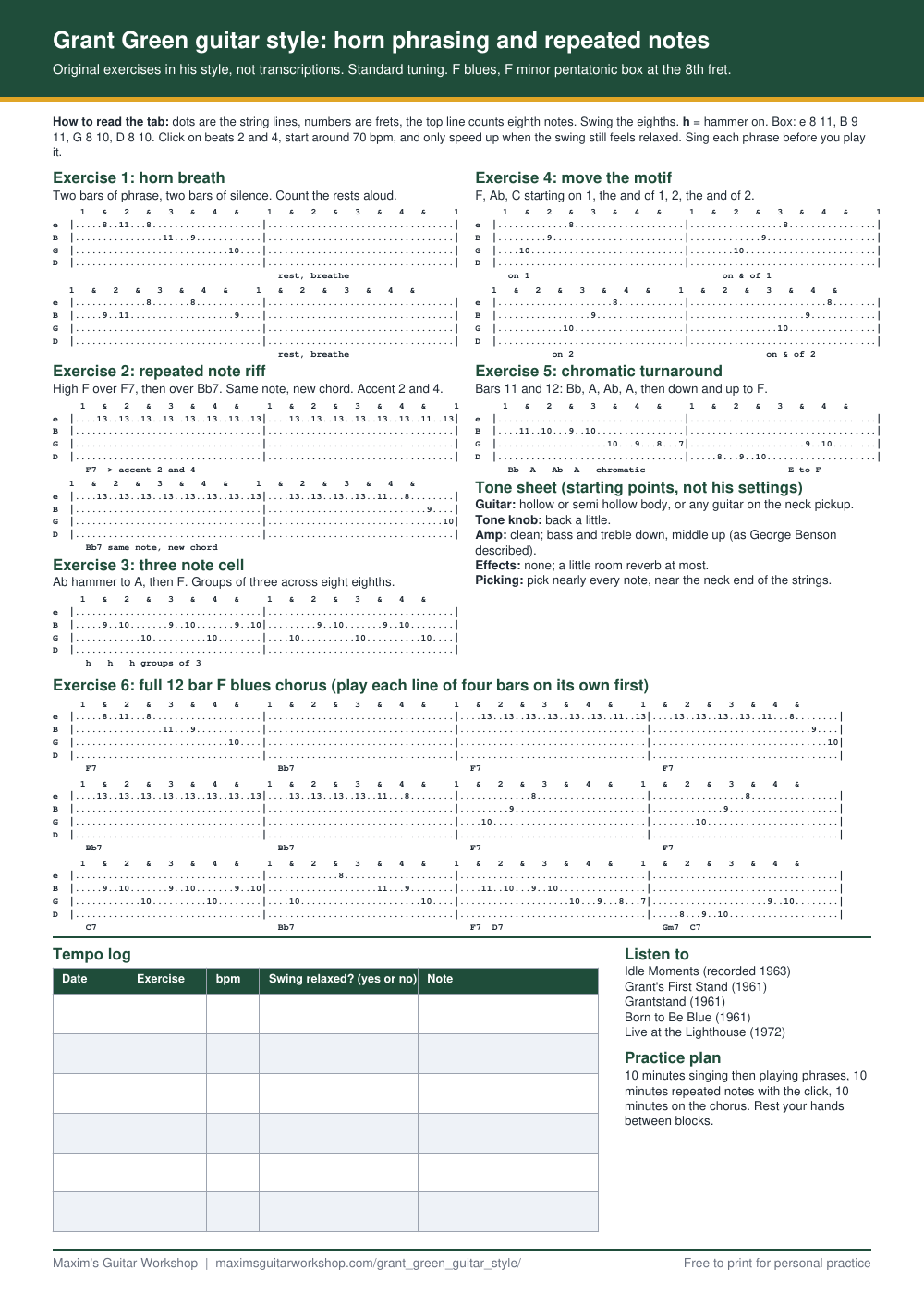
Download the free Grant Green guitar style practice sheet (PDF)
Grant Green FAQ
What scale did Grant Green use?
Mostly the blues scale and minor pentatonic over blues tunes, mixed with bebop lines, chromatic approach notes and arpeggios over standards.
What guitar did Grant Green play?
A Gibson ES 330 early on, later a Gibson L7 with a McCarty pickup, plus an Epiphone Emperor and a D’Aquisto New Yorker.
When was Grant Green born?
On 6 June 1935 in St. Louis. The year 1931 found in older books is wrong.
Why did Grant Green avoid chords?
He thought like a horn player, and a horn can only play one note at a time. He learned by copying Charlie Parker solos.
What is the best Grant Green album to start with?
Idle Moments, recorded in 1963. Blue Note itself calls it the essential first purchase.
Can a beginner learn Grant Green guitar style?
Yes, at a slow tempo. If you know the minor pentatonic box and a 12 bar blues, start with lessons 1 and 2. The swing feel takes longer, and there is no deadline for sounding like him.
Grant Green’s legacy
After his death, Green’s reputation grew steadily. Hip hop and acid jazz producers sampled his funk records in the 1990s, and Wikipedia notes that he has been called one of the most sampled guitarists, which brought him a whole new audience. In 2017 the Killer Blues Headstone Project finally placed a headstone on his grave.
Guitarists from George Benson, who knew him well, and Pat Martino to Peter Bernstein carry parts of his sound, and the organ trio revival of the 1990s kept his records in print. If you want to place him in the bigger story, my history of blues guitar traces the blues roots he never left.
For guitarists today, Grant Green guitar style is a lesson in saying more with less: one note at a time, space to breathe, and a groove that swings. In my teaching, his music cures the habit of playing nonstop. Spend time with these exercises and with Idle Moments, and your solos will start to sound like someone talking. For a completely different kind of quiet genius, see our lesson on Elizabeth Cotten picking style.
If you are newer to the guitar and want a structured path to playing lines like these, my online beginner course starts from the very first chord. And if your fingertips are complaining after all those repeated notes, read my tips on sore fingertips from guitar.