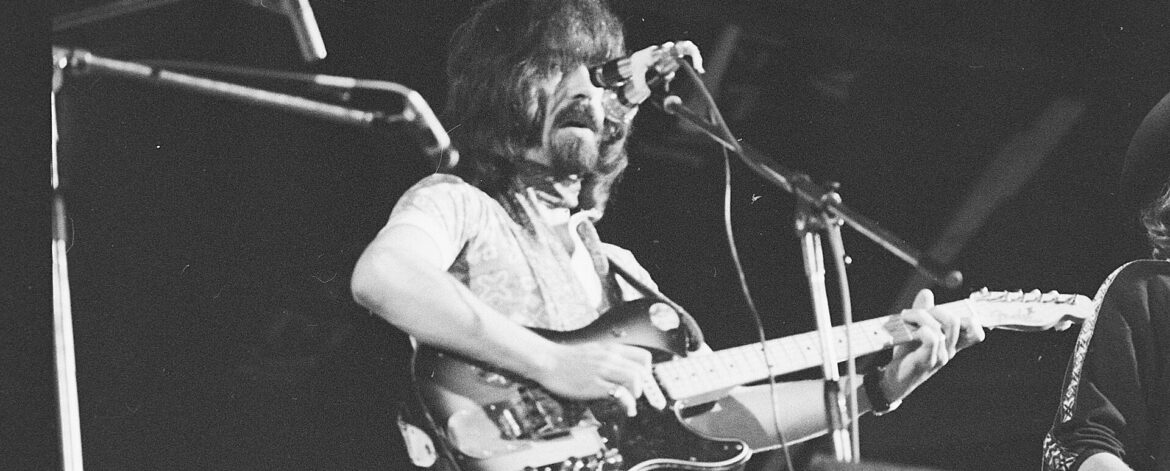
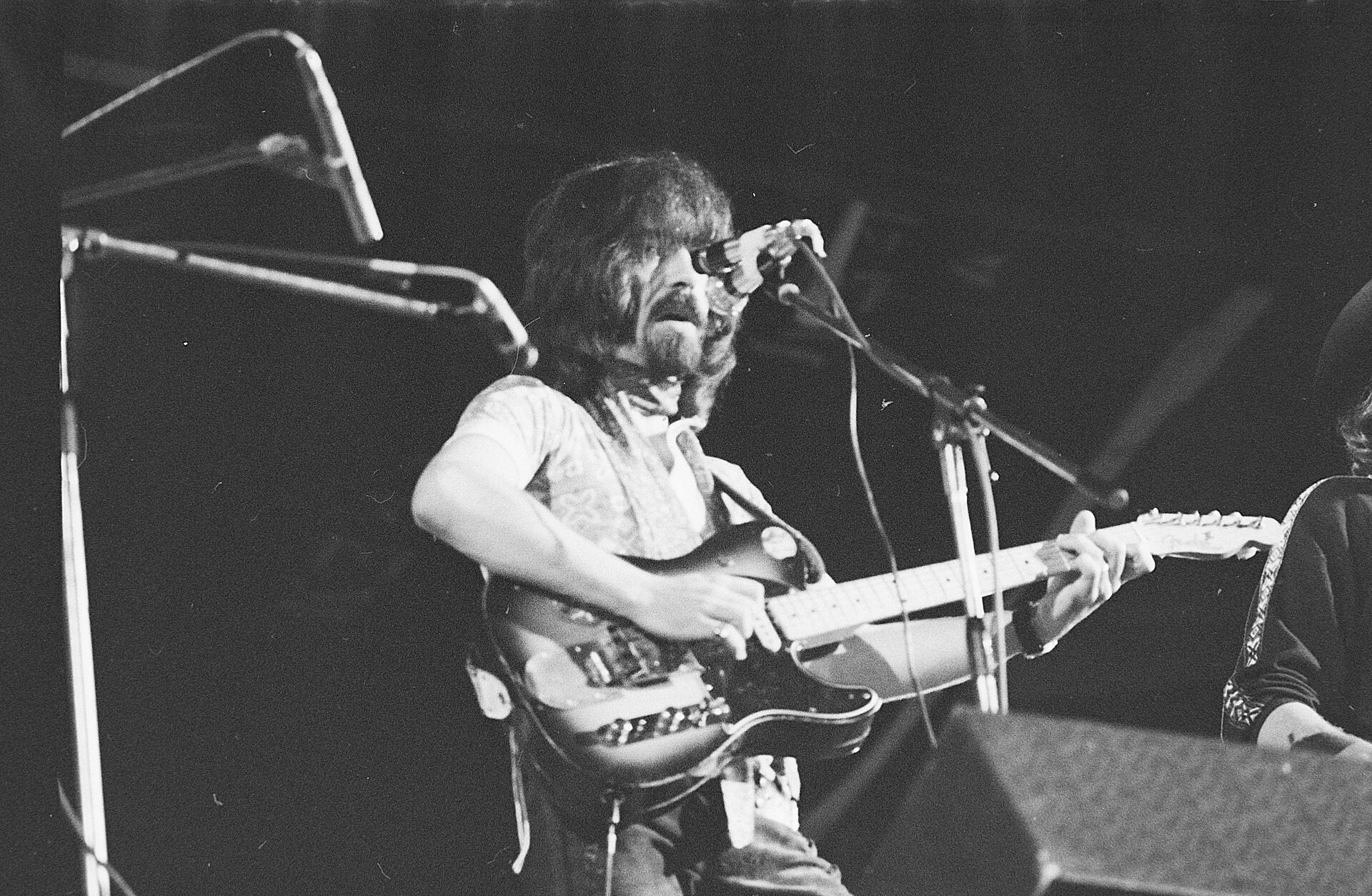
Clarence White was a bluegrass flatpicker who, in the words of Guitar World, built the bridge between country and rock on electric guitar in the late 1960s, all before he turned 30. If you want to learn Clarence White guitar technique, you are really learning two things: rolling crosspicking patterns on an acoustic guitar, and pedal steel style bends on a Telecaster. This post covers his life and music, how he played, and exercises in his style for a normal guitar with no B bender.
Quick answer: who was Clarence White and what made his playing different? Clarence White (1944 to 1973) played lead acoustic guitar with the Kentucky Colonels and electric guitar with the Byrds. On acoustic he used syncopation, open strings and crosspicking rolls; on electric he used the Parsons/White StringBender, developed with Gene Parsons, to bend the B string like a pedal steel. You can get close to both sounds on any guitar.
I teach guitar in Darwin, so where I give a teaching opinion below I say so. Facts about his life come from the sources linked in the text.
Who was Clarence White?
According to Wikipedia, Clarence White was born Clarence Joseph LeBlanc on 7 June 1944 in Lewiston, Maine, and the family used the surname White. The Bluegrass Music Hall of Fame and Museum biography says he played ukulele for about a year before moving to guitar as a young child.
In 1954 the family moved to Burbank, California. With his brothers Roland and Eric Jr he formed the Three Little Country Boys, later shortened to the Country Boys. The band appeared on The Andy Griffith Show in 1961.
Doc Watson said of him: “He didn’t copy anyone else” (quoted by the Bluegrass Hall of Fame).
The Kentucky Colonels and the flatpicking years
In September 1962 the Country Boys were renamed the Kentucky Colonels, reportedly on the advice of a fellow Los Angeles country guitarist. The same year Clarence saw Doc Watson at the Ash Grove in Los Angeles, and Watson’s open string, syncopated flatpicking had a strong influence on him.
The Kentucky Colonels released The New Sound of Bluegrass America in 1963 and the all instrumental Appalachian Swing! in 1964. In 1964 Clarence also played duets with Doc Watson at the Newport Folk Festival, later released on Treasures Untold, as Acoustic Guitar notes in its Footprints in the Snow lesson.
His acoustic was a 1935 Martin D28 with an enlarged soundhole. The Fretboard Journal says he bought it around 1959 from a Los Angeles shop for about US$25. The guitar left his hands in the mid 1960s, and Tony Rice acquired it in the 1970s and played it for the rest of his career.
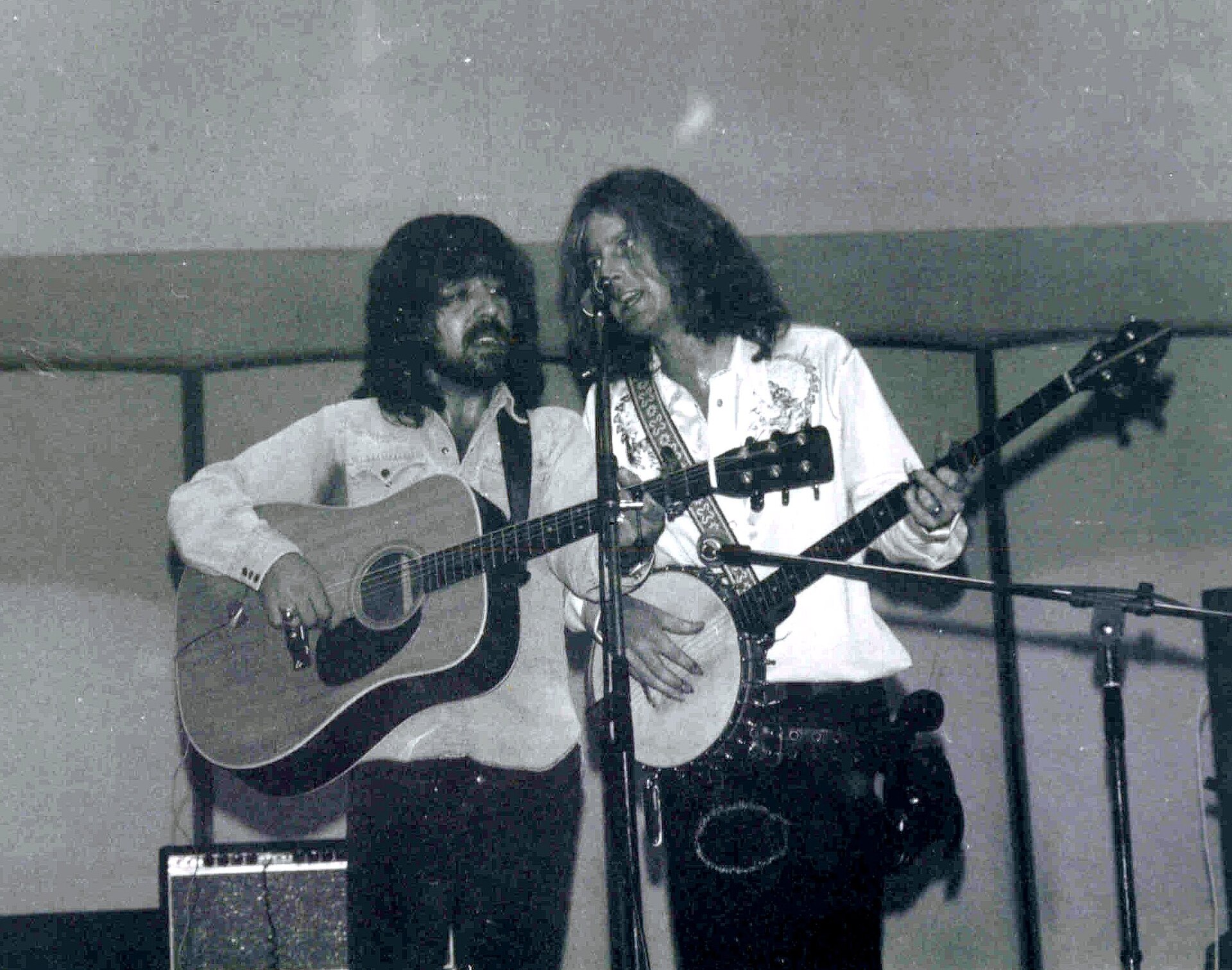
The band wound down between late 1965 and early 1967, and Clarence turned to the electric guitar.
Session work, Nashville West and the StringBender
In the mid 1960s Clarence moved from the Martin to a Fender Telecaster and became a busy Los Angeles session player, working with Ricky Nelson, the Monkees, the Gosdin Brothers, Gene Clark and others (Premier Guitar). If you are weighing up the two classic Fender designs, see my Stratocaster vs Telecaster comparison.
He also played as a guest on Byrds albums before he joined the band: Younger Than Yesterday (on “Time Between” and “The Girl with No Name”), The Notorious Byrd Brothers and Sweetheart of the Rodeo.
Around 1967 he formed Nashville West with Gene Parsons, Gib Guilbeau and Wayne Moore. The band played the Nashville West club in El Monte, California (Guitar World).
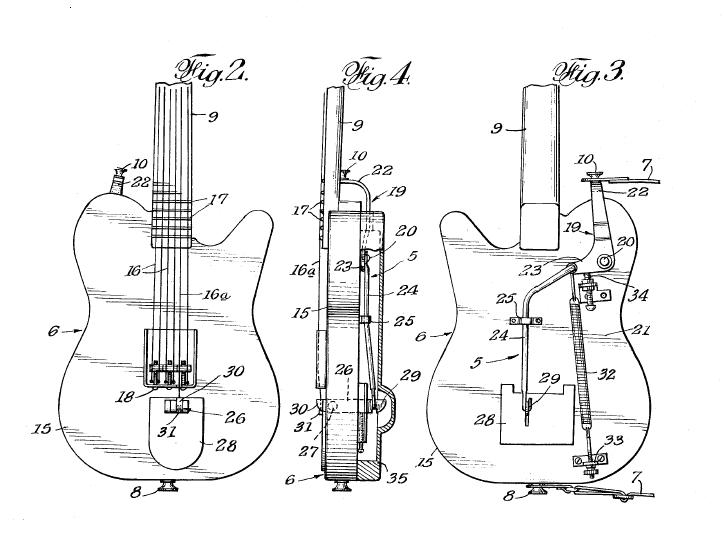
The big invention of this period was the Parsons/White StringBender, also called the Pull String, developed in 1967 and 1968. Vintage Guitar describes how it was fitted to his 1954 Telecaster: a lever linked to the strap button raises the B string a whole tone, from B to C sharp. That let him bend one string while the others kept ringing, like a pedal steel. Some writers think the guitar may have started life as an Esquire; that question is still open.
The Byrds years, 1968 to 1973
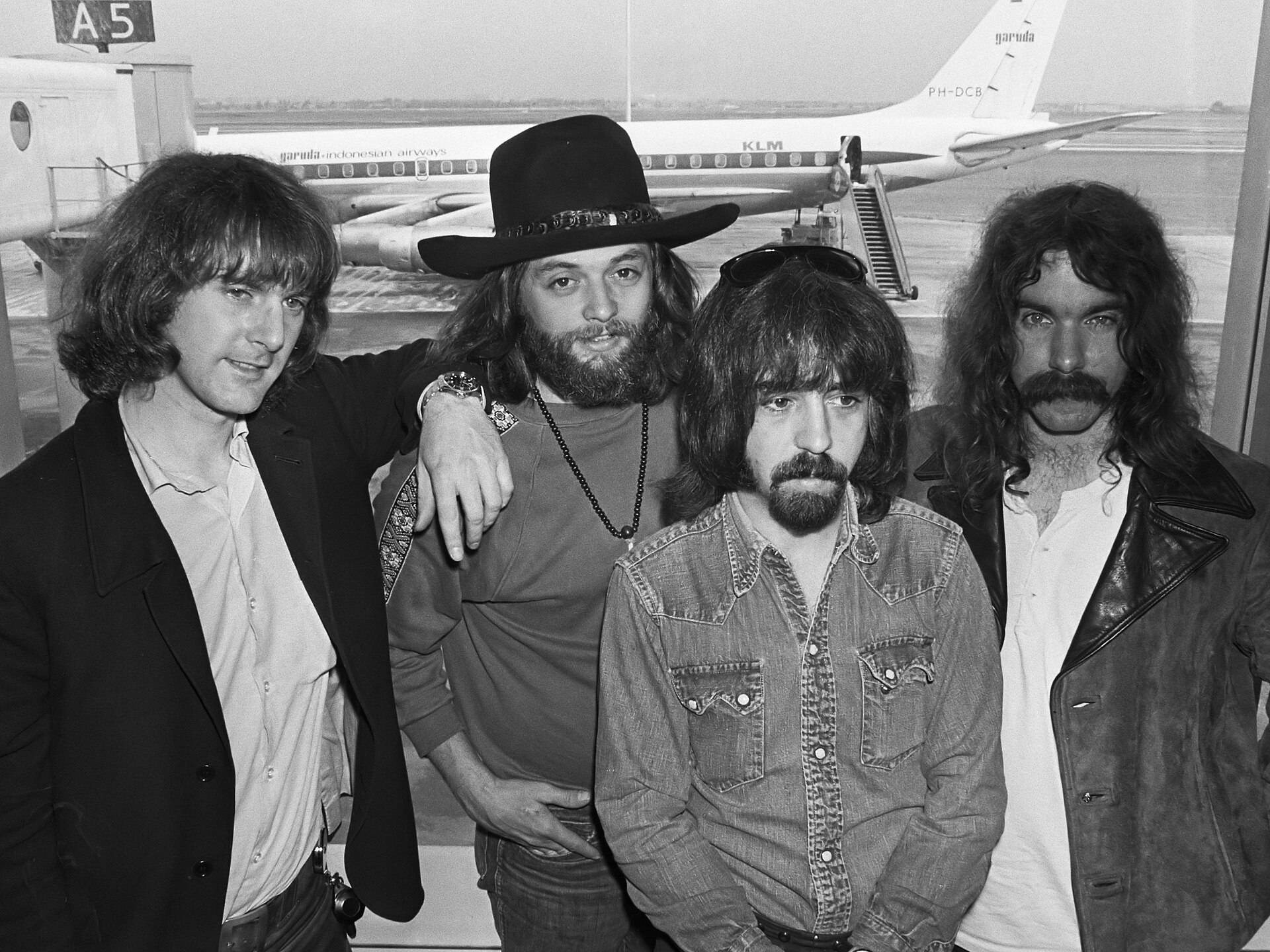
Clarence joined the Byrds in July 1968 and stayed until the band broke up in early 1973. He played on Dr. Byrds & Mr. Hyde, Ballad of Easy Rider, (Untitled), Byrdmaniax and Farther Along, and he was the second longest serving Byrd after Roger McGuinn. McGuinn said White “never played anything that sounded vaguely weak” (quoted on Wikipedia).
Guitar World points to Live at the Fillmore, February 1969 as a strong showcase of his StringBender playing, especially “Buckaroo”.
In 1973 he recorded Muleskinner with Peter Rowan, Richard Greene, David Grisman and Bill Keith, and toured as the White Brothers with Roland (Play Bluegrass). He was struck by a drunk driver in the early hours of 15 July 1973 while loading gear after a gig in Palmdale, California. He was 29.
Clarence White guitar technique explained
Clarence White guitar technique has two sides, acoustic and electric, and the sources below describe the same habits in both: rhythm that pushes against the beat, space between phrases, and notes that ring into each other.
Crosspicking rolls
Crosspicking means rolling the pick across three strings in a repeating pattern, so a group of three notes cycles against a four beat feel. The result sounds like a banjo roll played on a guitar. Wikipedia’s crosspicking article credits pioneers such as Bill Napier, George Shuffler and Don Reno; Clarence and Doc Watson took the idea further.
The most common pattern is the 3 3 2 roll: eight eighth notes grouped as 3 plus 3 plus 2 across strings 4, 3 and 2 (Peghead Nation, crosspicking basics). Strict alternate picking (down, up, down, up) is the usual teaching method, while Shuffler style picking uses down, down, up. In my teaching I start students on strict alternate picking.
Clarence White crosspicking did not stick to the textbook. Peghead Nation’s Listen to the Mockingbird lesson notes his favoured 2 3 3 grouping and says his version on Appalachian Swing! rarely follows 3 3 2. Steve Kaufman’s tip in Acoustic Guitar is to keep the pattern going and only change string where a melody note falls, and to practise in short timed blocks of about three minutes. That fits the timed block approach in my guitar practice routine post.
Rhythm, syncopation and space
The Bluegrass Hall of Fame describes his “sophisticated slides, minor scales superimposed against major chords, and frequent emphasis on the offbeats”. IBMA calls his rhythm “strong, syncopated”. In Premier Guitar, Herb Pedersen says his rhythm would push beats, and Gene Parsons adds: “What you don’t play is as important”.
Alan Barnosky’s Acoustic Guitar lesson on Footprints in the Snow notes chord substitutions such as a B flat triad over C7. Guitar World’s 2019 salute to Clarence White hears an unusual sense of timing in “I Am a Pilgrim”, almost like jazz chord substitutions.
The practical lesson, which Play Bluegrass also draws: accent the “and” of the beat, leave a rest where a listener expects a note, and let open strings ring into fretted notes.
Hybrid picking
On electric, Premier Guitar says he used a flatpick plus his middle and ring fingers. In my experience, this hybrid picking makes the double stop and bend licks below much easier, because you can pluck two strings at once. For more electric techniques that players still use, see my post on rock guitar techniques today.
B bender sounds with normal bends
The famous Clarence White B bender sound comes from raising the B string a whole tone while other strings keep ringing. On a normal guitar you can get close with oblique bends: hold one note still and bend the string next to it. Guitar World’s Charlie Starr lesson on B bender licks on a regular guitar (17 March 2026) shows this idea of holding notes on the top strings and bending the lower one.
The honest limit: a real bender can bend a note already ringing in a chord shape and reach bends fingers cannot, so normal bends sound close, not identical. Lighter strings help (see my post on famous guitarists’ string gauges), and you should check your tuning after a few bends.
Gear box: what Clarence White played
- Acoustic: a 1935 Martin D28, serial 58957, with an enlarged soundhole.
- Electric: a 1954 Telecaster fitted with the Parsons/White StringBender.
- Amps: Premier Guitar reports Fender Vibrolux, Dual Showman, Twin and Super Reverb amps, with occasional fuzz.
- Where the guitars went: Tony Rice played the D28 for the rest of his career. Guitar Player reports that Marty Stuart bought the StringBender Telecaster from White’s widow Susie around 1980 for US$1,450, and he still plays it.
Exercises and Clarence White licks for a normal guitar
These are exercises in his style, not transcriptions. The tab uses dots as the string lines and numbers are frets. “b” means bend, and the number after it is the pitch to aim for, so 2b4 means fret 2 bent up a whole tone to sound like fret 4. “r” means release back to the fret shown. D is a downstroke and U is an upstroke. Work through them slowly and Clarence White guitar technique starts to feel natural in your picking hand.
Use a metronome and start around 60 to 70 beats per minute in eighth notes. Only speed up when it is clean.
Exercise 1: the 3 3 2 roll over G, C, D and G
Strings 4, 3 and 2 only. Keep the right hand rolling down, up, down, up even when the left hand changes chord.
  1  &  2  &  3  &  4  &   1  &  2  &  3  &  4  &
  D  U  D  U  D  U  D  U   D  U  D  U  D  U  D  U
B|......0........0........|......1........1........|
G|...0........0........0..|...0........0........0..|
D|0........0........0.....|2........2........2.....|

  1  &  2  &  3  &  4  &   1  &  2  &  3  &  4  &
  D  U  D  U  D  U  D  U   D  U  D  U  D  U  D  U
B|......3........3........|......0........0........|
G|...2........2........2..|...0........0........0..|
D|0........0........0.....|0........0........0.....|
Option: try Shuffler style picking, down, down, up, on the first two groups.
  1  &  2  &  3  &  4  &
  D  D  U  D  D  U  D  U
B|......0........0........|
G|...0........0........0..|
D|0........0........0.....|
Exercise 2: the 2 3 3 roll he favoured
Same chords, but the group of two comes first, so the accents move. Then hear how he mixes groupings in Listen to the Mockingbird below.
  1  &  2  &  3  &  4  &   1  &  2  &  3  &  4  &
  D  U  D  U  D  U  D  U   D  U  D  U  D  U  D  U
B|...0........0........0..|...1........1........1..|
G|0........0........0.....|0........0........0.....|
D|......0........0........|......2........2........|

  1  &  2  &  3  &  4  &   1  &  2  &  3  &  4  &
  D  U  D  U  D  U  D  U   D  U  D  U  D  U  D  U
B|...3........3........3..|...0........0........0..|
G|2........2........2.....|0........0........0.....|
D|......0........0........|......0........0........|
Lick 1: pedal steel style bend in G
Fret the B string at fret 3 with your pinky and the G string at fret 2 with your ring finger, with your middle finger behind it to help. Pick both, bend the G string up a whole tone (A to B) while the D keeps ringing, pick the D again, release, then resolve to G.
  1  &  2  &  3  &  4  &
e|........................|
B|3.....3...........0.....|
G|2b4......r2.0.....0.....|
D|...............0..0.....|
Lick 2: B bender style bend under a held top note in D
Your ring finger bends the B string at fret 5 up a whole tone (E to F sharp) while your pinky holds the high e string at fret 5 (A). This is the closest normal bend version of the StringBender’s pull and the hardest lick here, so treat it as a stretch goal. Resolve to open D.
  1  &  2  &  3  &  4  &
e|5.....5...........2.....|
B|5b7......r5.3.....3.....|
G|...............2..2.....|
D|..................0.....|
Lick 3: syncopated open string run in G
A descending G major line with open strings ringing into each other. Accent the marked notes (beat 2 and the “and” of beat 3) and leave beat 3 empty to train the offbeat push.
        >        >
  1  &  2  &  3  &  4  &
  D  U  D  U  D  U  D  U
e|3..2..0.................|
B|.........3.....0........|
G|..................2..0..|
D|........................|
All three licks sit in the first five frets and use whole tone bends.
Your free Clarence White practice sheet (PDF)
The printable sheet has both rolls and all three licks on one A4 page, plus a tempo log for the date, exercise, metronome speed and whether it was clean. Keep it on your music stand while you practise Clarence White guitar technique each day.
Download the free Clarence White practice sheet (PDF)
What to listen to
The Byrds, Nashville West (Dr. Byrds & Mr. Hyde, 1969)
Guitar World calls Nashville West what some would consider his signature song. Listen for the pedal steel style bends on the Telecaster.
The Byrds, Chestnut Mare
An official audio upload from his years in the Byrds. Focus on the electric guitar part as you listen.
The Kentucky Colonels, Listen to the Mockingbird
Acoustic crosspicking from the Long Journey Home recording. This is not the Appalachian Swing! studio version, which I could not find as an official upload.
If you want more, try Buckaroo from Live at the Fillmore, February 1969 and Time Between, one of his guest spots before he joined the Byrds.
His legacy and who he influenced
Clarence White’s influence runs through both bluegrass and country rock. Players who drew on him include Tony Rice, Norman Blake, Dan Crary, David Grier, Russ Barenberg, Marty Stuart and Brad Paisley. Listening to their playing is a good way to hear Clarence White guitar technique carried into new styles.
He was inducted into the International Bluegrass Music Hall of Fame in 2016, and the Kentucky Colonels followed in 2019. Rolling Stone placed him at number 41 on its 2003 list of greatest guitarists and at number 107 on its 2023 list of the 250 greatest.
He did not invent bluegrass lead guitar on his own; Doc Watson and others came before him, and both Play Bluegrass and Wikipedia credit Watson’s influence.
Clarence White FAQ
Did Clarence White invent the B bender?
He developed the Parsons/White StringBender with Gene Parsons in 1967 and 1968, and both names are on the patent.
What guitar did he play in the Kentucky Colonels?
A 1935 Martin D28, which Tony Rice later owned.
What is crosspicking?
Rolling a flatpick across three strings in a repeating pattern. The 3 3 2 roll is the common version; Clarence favoured 2 3 3 and moved between groupings.
Can I get B bender sounds without a B bender?
You can get close with oblique bends, as in Licks 1 and 2 above, but it will not sound identical.
How did Clarence White die?
He was killed by a drunk driver in Palmdale, California, in July 1973, aged 29.
Final thoughts
Clarence White guitar technique is about feel more than speed: a roll that keeps going, accents in surprising places, ringing open strings and bends that sing like a pedal steel. Start slowly, add one lick at a time, and log your tempos so you can see progress over weeks, not days.
If you are newer to the guitar and want a structured path to playing tunes like these, my online beginner course starts from the very first chord.