Students still ask for Slash guitar techniques before almost any other hard rock lead vocabulary. The silhouette is famous. The real lesson is quieter: blues rooted phrasing, wide bends that land in tune, vibrato that behaves like a voice, and mid forward Marshall grit that never needed 1980s shred theatre to feel dangerous.
This Maxim’s Guitar Workshop guide puts craft and sound in one long read. You get documented practice habits, scales and note choice, vibrato and phrasing, signature moves you can drill safely, then the Appetite era tone story without gear worship. Where teachers analyse songs, we label analysis. Where Slash spoke, we attribute. We do not invent quotes.
For the wider rock toolkit beside this language, see rock guitar techniques still used today. For the American root language under so much of his feel, keep history of blues guitar open while you practise.
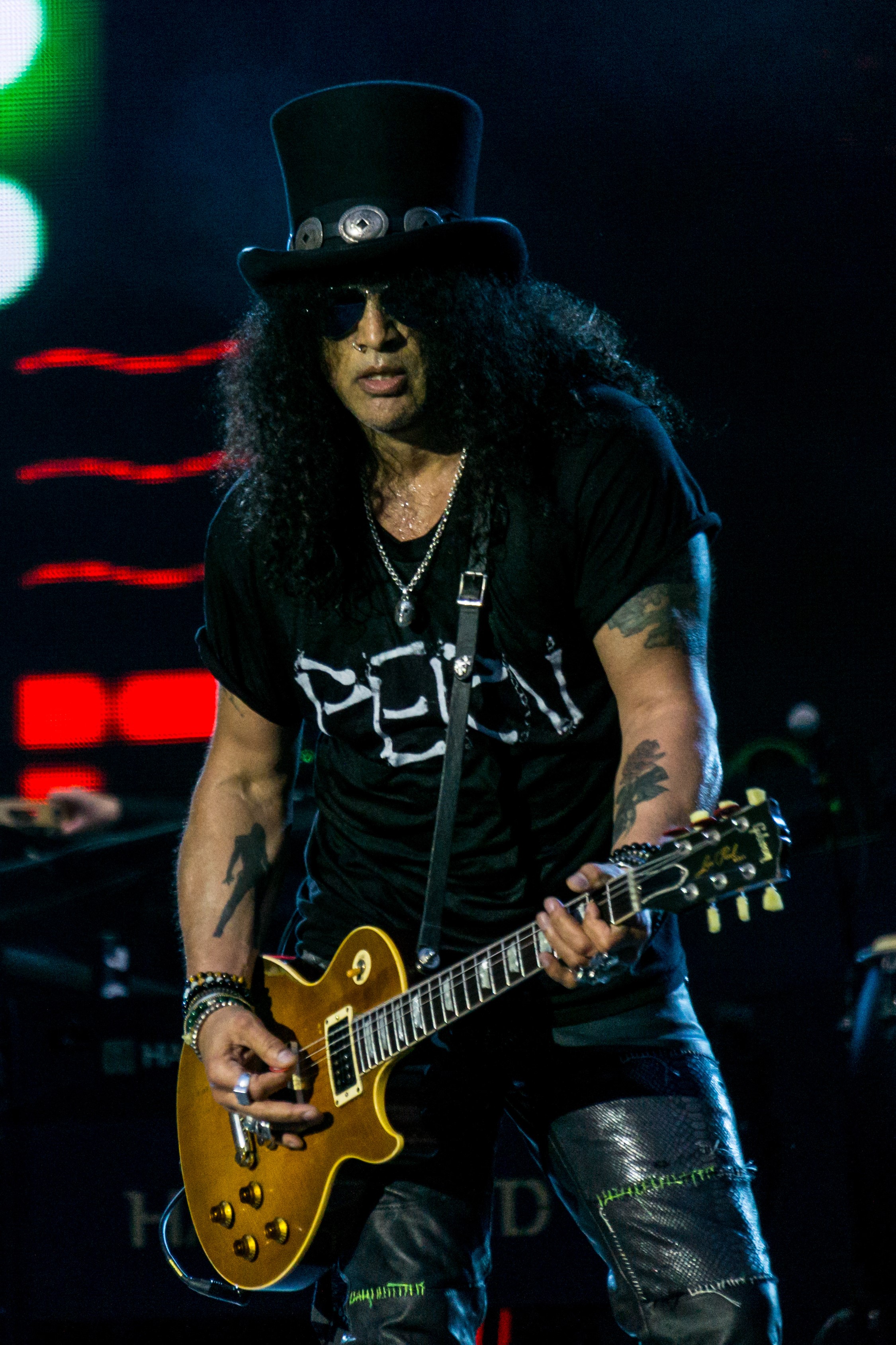
What students should steal from Slash (and what not to copy blindly)
Steal the ear first attitude. In a November 1992 Guitar For The Practicing Musician interview with John Stix, Slash described solos arriving from the gut: he hears the note in his head, finds it on the neck, then listens back and fixes a couple of notes. Hear, locate, refine. Skip Roman numeral drills if your ear is quiet.
Steal bend and vibrato discipline on exposed melodies. In that same 1992 conversation he talked about slowing down on ballads such as November Rain and Estranged so notes stay in tune and vibrato does not get too hectic. In Guitar World’s 2024 Orgy of the Damned coverage he named intonation as a personal pet peeve he keeps working on.
Steal the anti drill honesty without stealing the myth that he never practises. Across Vintage Guitar (April 2001), Dear Guitar Hero (2009), and Premier Guitar Living the Dream (November 2018), he rejects scholastic exercises, yet he warms up, improvises every night on tour, writes by chasing ideas, and in 2024 committed serious daily time to pedal steel. Myles Kennedy’s observation, labelled as Kennedy’s words in that Premier Guitar sidebar, is that Slash has to be playing. Treat that as a bandmate’s report, not marketing copy.
Do not copy blindly: twelve hour days as a current baseline (Guitar Player 1991 is formative); tremolo bar circus culture he rejected in Guitar World August 2024; serious tapping as identity (he cannot tap seriously and avoids the Van Halen cliché aside from rare joke taps); shopping for one lost SIR Marshall as if tone is a serial number; speed for its own sake (he frames speed as emotional energy, not a technical goal).
Also skip reckless load. Long hours without warmups or rest earn tendon trouble. Pair ambition with strain aware habits in health benefits of playing guitar, and borrow patience after injury from the Yngwie Malmsteen 1987 accident story when you need a reset mindset.
Practice regimen and work ethic myths vs documented habits
Myth one: Slash never practises. Documented habit: he rejects boring schoolroom drills, then plays constantly in ways that count as practice by any serious teacher’s definition.
Formative years (late 1970s to early 1980s) are the extreme chapter. Guitar Player’s December 1991 archive piece quotes him calling himself a workaholic who would play twelve hours a day. Guitar replaced school. He quit formal Mel Bay style lessons after a short time with Robert Wollan and taught himself from records, including Jeff Beck’s Cause We’ve Ended As Lovers note for note. Vintage Guitar (Lisa Sharken, April 2001) confirms the Steven Adler ditch school origin story and the switch from intended bass to guitar when a teacher played Clapton and Page.
Use Your Illusion arena habits are more practical for students. In the November 1992 Stix interview he does not like to practise for the sake of practising, yet he warms up before shows because it is a necessity. Warmup detail: unplugged in hospitality, keep the fingers moving with fast picking and no particular pattern, plus finger stretches, amp off. A lick for that night’s solo spot might get fifteen to twenty reps. Writing had no diary system; melodies often arrived fully formed in his head.
Snakepit and early 2000s talk stays consistent in Vintage Guitar 2001: no scholastic exercises; road warmups along local rock radio or CDs; at home, recording and jamming are practice, sometimes six to seven hours chasing an idea by ear; always play before shows.
2009 to 2018 adds teaching gold. Guitar World Dear Guitar Hero (December 2009): he does not really know how to practise properly, so he makes up difficult things to play, and Sweet Child’s intro was that kind of exercise. He knows major, minor, and pentatonic up the neck without deep formal theory. Premier Guitar 2018: growth comes from touring every night and improvising; he is not an ardent practicer of runs or theory, though he does some warmup scales and keeps a guitar nearby. Kennedy’s sidebar observation that Slash has to be playing belongs here again as second party.
2024 is instrument specific. MusicRadar (30 May 2024) reports at least two to three hours a day on pedal steel. When he wants a new voice, hours return. Those interviews stress blues authenticity: listen deeply, feel, avoid faking it. Knowing notes is easy; emotional commitment is hard. He described arriving at what teachers call pentatonic by ear as a eureka melody moment.
Synthesis (not a Slash quote): touring growth is nightly improvisation; album cycles favour gut first solos then refinement; between cycles he writes with a guitar close. Frame twelve hours as formative. Frame current honesty as play first, drill second, with special projects getting real clock time.
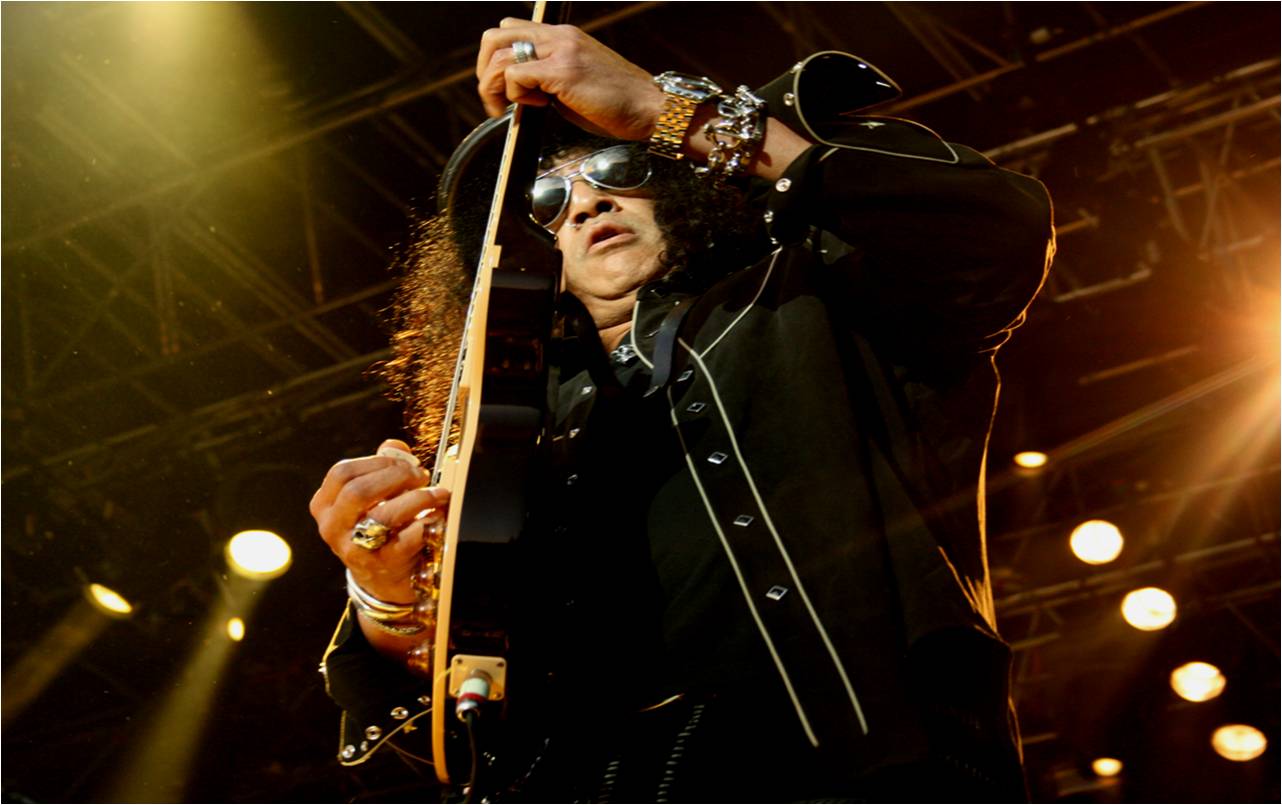
Right hand feel: attack, bends setup, and blues rock vocabulary
Slash’s right hand story in primary interviews is thinner on pick grip minutiae than on musical attack. Treat grip lore carefully. Longstanding pick preference across Vintage Guitar 2001, Premier Guitar 2018, and Marshall materials is Dunlop Tortex 1.14 mm. Chris Gill’s Jungle chart listing thicker Tortex is reconstruction, not a lifelong decree. Secondary sites describe thumb and index near the tip; we lack a deep primary grip manifesto.
What is well documented is physical commitment. Ace Bergman (Seymour Duncan blog, 2012) described a hard player whose sweat and bracelets wear guitars. Live expression comes from palm mutes, pickup switching, and rolling volume and tone, with tech support for boost and effects. In Guitar World’s 2024 Orgy feature Slash noted playing a lot with fingers back and forth with the pick.
Bends sit at the centre. MusicRadar 2010 has him naming Albert King’s singing, screaming, one note bends as a huge influence. Teacher analysis (Marshall.com; Charlie Griffiths, Guitar World April 2022) emphasises bends to pitch, then vibrato, matching Slash’s ballad intonation comments. Setup: Vintage Guitar 2001 prefers higher action feel and heavier string tension; Premier Guitar 2008 notes a neck that is not too wide or thick, more 1960s flatter feel than baseball bat 1958 or 1959 clubs.
Muting is not optional. Palm mute to open sustain is how Jungle style figures and live dynamics breathe. Learn the volume knob and mute before another pedal. Behind the beat looseness is audible and taught in Griffiths 2022 versus metronomic 1980s shred. Slash admired Pete Townshend for playing around the beat (Esquire 2014). A direct I play behind the beat self quote was not located, so teach the trait as audible plus pedagogy, not invented self description.
Steal next: Albert King one note drama, major and minor flips, double stop grit, space. Reject the tremolo bar arms race he walked away from. When he wants a bar he historically reaches for a B.C. Rich Mockingbird, not Floyd language on a Les Paul stop tail.
Scales and note choice: pentatonic cores, major colour, and song examples
Slash’s own naming is modest and useful. Dear Guitar Hero 2009: he knows major, minor, and pentatonic up the neck and alters notes to suit needs. MusicRadar 2010: all of his playing is basically influenced by blues players. MusicRadar 2024: the pentatonic discovery arrived by ear as melody, not as a classroom chart.
Home base with very high confidence: minor pentatonic and the blues scale with the flat five. Major pentatonic is also high confidence from his own claim plus song colour such as Paradise City’s greasier major leaning leads (analysis). Natural minor and Mixolydian colours are strong in song analysis even when he does not announce mode names. Harmonic minor appears as drama colour, notably in Sweet Child’s later climb, without a neoclassical identity. Dorian diads show up in teacher analysis (Griffiths citing Call Off the Dogs); medium confidence, thin in Slash’s own vocabulary.
Teaching synthesis (label as such): he describes hearing the line first, not mapping chord tones schoolbook style (Stix 1992). Memorable lines still land on chord tones and blues tensions with vocal pacing. Teach ear toward chord tone awareness, not Slash thinks in Roman numerals.
Song teaching map:
Sweet Child O’ Mine. Slash on origin: joke or difficult self made exercise, not a hummed melody; Izzy joined with chords (Stix 1992; Dear Guitar Hero). Analysis (Desi Serna; Griffiths): early solos lean D Mixolydian and D major pentatonic with added four and flat seven; later solos move toward E natural minor and harmonic minor colour; wah climbs add drama. Teach exercise born shapes that became music.
November Rain. Slash: slow down, keep intonation and vibrato controlled (Stix 1992). Analysis: vocal like pacing and exposed melodic bends. Use it as a vibrato exam.
Paradise City. Slash: intro solo needed more jamming feel; left, then nailed it next day in one take (Dear Guitar Hero). Analysis: greasy major and country pent colours. Practise feel over perfectionism.
Welcome to the Jungle. Analysis (Chris Gill, Guitar World 2020): studio delay on the intro, palm muted figures, double stops, mid forward tone. Use it for rhythm right hand and arrangement awareness.
Knockin’ on Heaven’s Door. Analysis (Griffiths 2022): major pent shapes with space. Use it for melody and breathing.
Anastasia. Slash told the Irish Times (1 February 2013) the intro grew from a live solo phrase expanded nightly and was not an intentional Bach quote. Analysis hears classical sounding arpeggios then blues rock shred. Teach composition from improvisation.
Slither (Velvet Revolver). Analysis (Griffiths): drop tuned low riff language. Use it when you want heavier riff gravity beside the classic Guns N’ Roses set.
Vibrato and phrasing: width, speed, and vocal like delivery
Vibrato is where students most often fake a Slash accent and miss the point. Guitar World pedagogy describes a wide, vocal claw style vibrato as a hallmark (sometimes grouped with Hendrix, Satriani, and Vai). That claw label is teacher language, not a Slash quote. Marshall’s artist page summarises balanced vibrato once the bend reaches pitch; treat that as secondary. Primary control comments remain the 1992 ballad discipline: do not let vibrato get too hectic when the melody is exposed.
Practise order that matches the sources: bend to pitch first, then start vibrato. Width can be generous. Speed should serve the phrase. On ballads, slower and truer beats faster and wobbly. On aggressive rock lines, vibrato can lean wider and more urgent without losing the centre of the note. Record yourself. If the pitch centre wanders before the vibrato starts, you are decorating a wrong note.
Phrasing habits from Slash’s own process: gut first melody, fix a couple of notes after listen back (Stix 1992). Motif development shows up in how Anastasia’s live phrase became a composed intro (Irish Times 2013) and in how Sweet Child’s exercise shape became a global riff. Leave space. Repeat with variation. November Rain and Knockin’ style lines reward singing the solo before you play it.
Sourced influences include Joe Perry and Brad Whitford via Aerosmith’s Rocks (Esquire 2014); Jeff Beck as his hands down pick for best lead with Blow by Blow study (Esquire 2014; Guitar Player 1991); Jimmy Page for phrasing and primal impact (Esquire 2014; Guitar World Orgy 2024); Eric Clapton and British blues in the origin story (Vintage Guitar 2001); Mick Ronson for weighty Les Paul single note scream toward Sweet Child lineage (Premier Guitar 2008); Mick Taylor, Keith Richards, and Pete Townshend for groove and around the beat feel (Esquire 2014); Albert King, B.B. King, and Buddy Guy for bends and grit (MusicRadar 2010 and 2024); plus Billy Gibbons, Rory Gallagher, Joe Walsh, and Hendrix for individuality (Esquire 2014). Eddie Van Halen is admired without the tapping circus (Guitar Player 1991; Guitar World 2024). He rejected 1980s Los Angeles shred and tremolo bar culture.
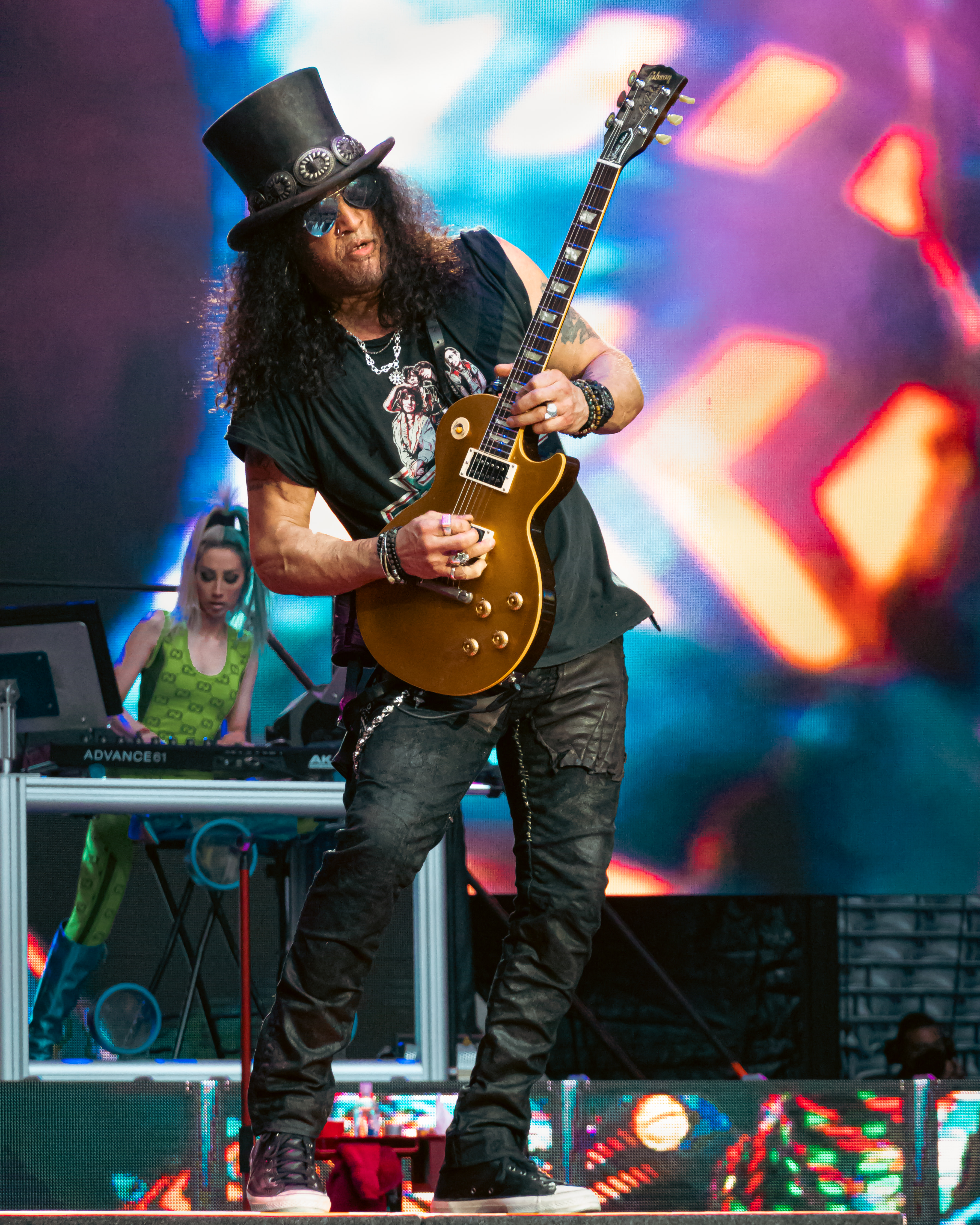
Signature moves students can drill safely (bends, double stops, runs)
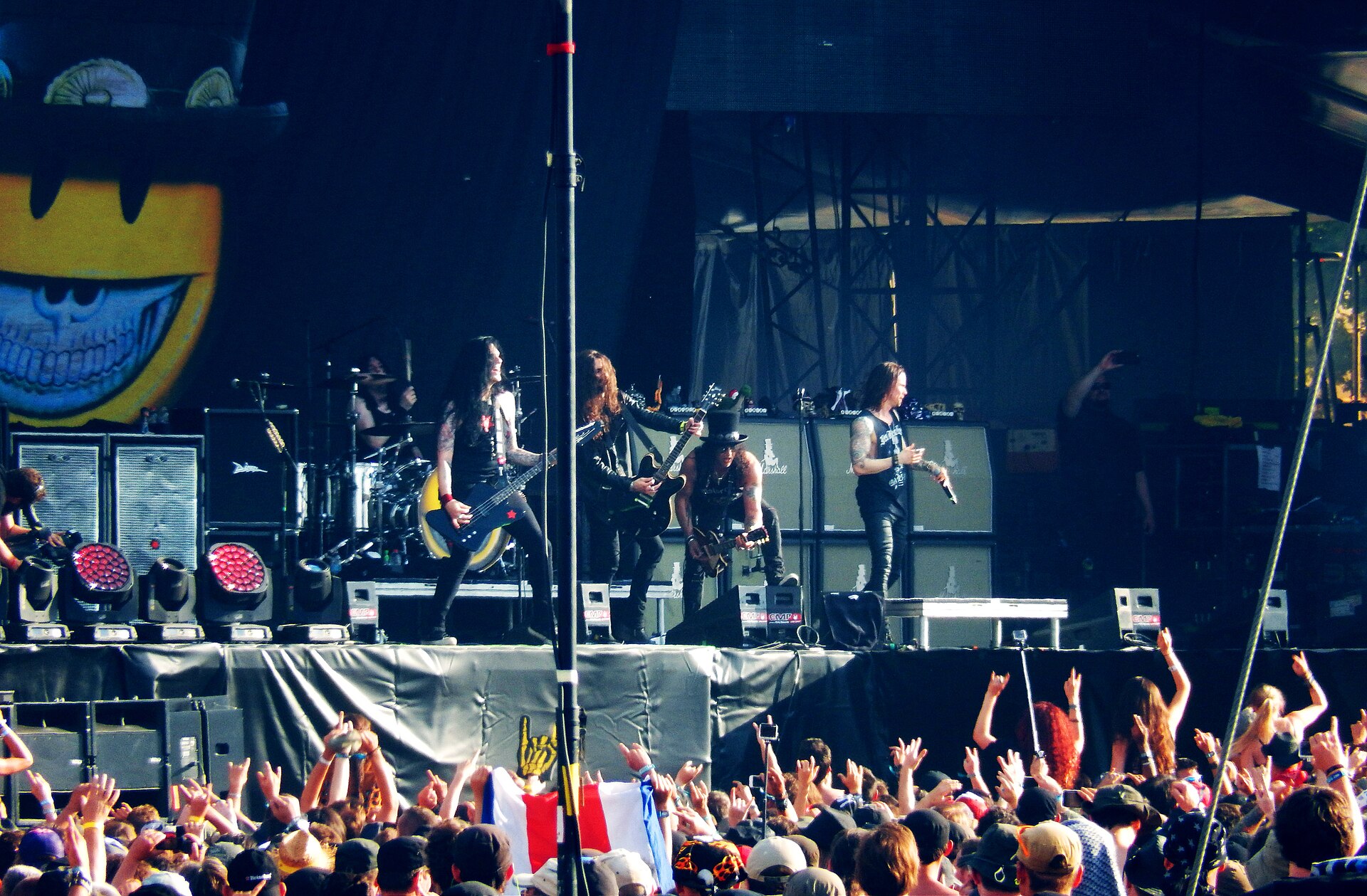
MGW drills from documented vocabulary, not Slash’s private homework sheet.
Drill one: Albert King bend ladder. Bend minor third to major third, then fourth to fifth, hold each arrival in tune for two beats before vibrato. Add narrow vibrato, then wider. Stop if wrist or forearm complains.
Drill two: November Rain sustain test. Slow melody with whole step bends. Record. If landings are flat or sharp, slow the metronome before widening vibrato.
Drill three: Sweet Child cell sequencing. Sequence a three or four note eighth note cell, leave space, alter one note on the repeat. That mirrors his make up something difficult hack.
Drill four: Jungle double stops. Diads on G and B with slight bend pressure and tight mute when needed. Griffiths and Guitar World flag gritty double stop bends as emblematic; MusicRadar 2024 editorial language agrees. Keep that as analysis and editorial framing.
Drill five: major minor flip. Over a rock dominant vamp, alternate minor and major pentatonic answers. Add Mixolydian flat seven as analysis sugar, not as Slash mid solo mode naming.
Drill six: volume knob clean to dirty. Same lick at guitar volume 2 to 3, then 5, then near full. Ace describes clean around the low numbers and Slash riding knobs live. Learn the continuum before stomping a boost every solo.
Drill seven: unplugged hospitality warmup. Five to ten minutes of stretches and pattern free fast picking, amp off, matching 1992. Then plug in.
Safety: heavier strings are his taste, not a beginner mandate. Ease gauges up gradually. No serious tapping required for a Slash flavoured week.
Sound and rig: Les Paul / Marshall story without gear worship
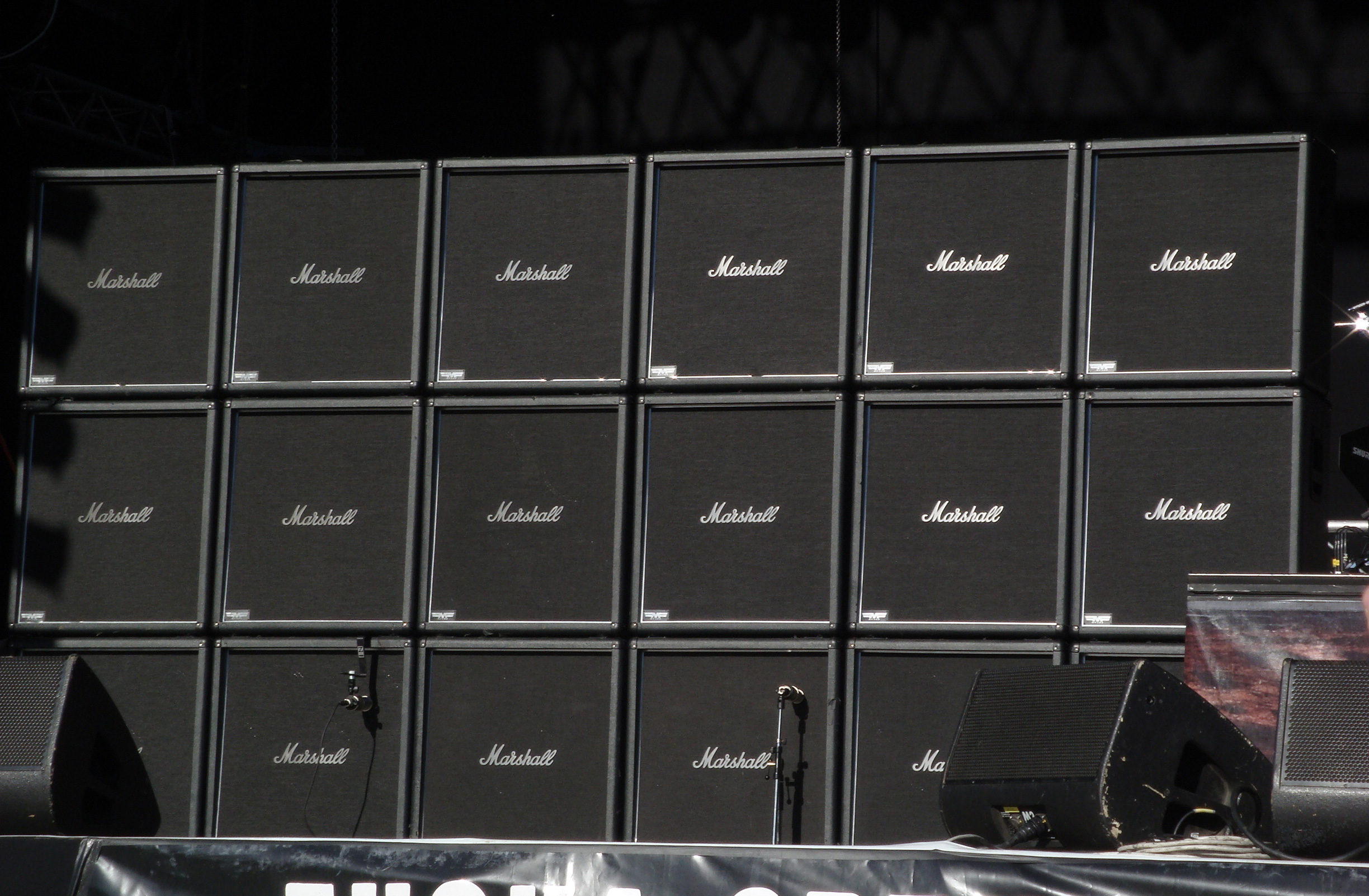
Slash’s own simplification in Dear Guitar Hero is still philosophically useful and forensically incomplete: all you need is a decent sounding Les Paul and a decent sounding Marshall, with occasional Boss EQ and wah. Useful as attitude. Incomplete as Appetite archaeology.
Guitars. Appetite studio lead voice was not a holy 1959 Gibson burst. It was a Kris Derrig 1959 style Les Paul replica with a Gibson logo and Seymour Duncan Alnico II pickups, arriving late for overdubs after BC Rich and Jackson basics disappointed (Guitar.com; Guitar World Appetite Reconstruction; Vintage Guitar 2001). Foote / MusicWorks autobiography confusion exists; Foote confirmed Derrig built it. The Derrig toured 1987 to 1988 then leaned studio. Live workhorses included beaten 1987 Gibson Les Paul Standards, later signatures and vintage pieces in studio, B.C. Rich when a bar is wanted, and 2024 blues leanings toward ES 335, Strat, Tele, and Magnatone amps. Alnico II Pro medium to low output gravel became habit more than hot rail chasing (Premier Guitar 2008; Ace / Duncan 2012).
Strings and tuning. Classic Guns N’ Roses material commonly sits in E flat standard (half step down). Ace noted Conspirators setlists also mixing standard, drop D, and drop C sharp. Modern touring gauges are often Ernie Ball .011 to .048 sets; earlier reports vary (.011 to .046 in Vintage Guitar 2001; .010 to .046 in Gill’s Jungle chart). Do not assert one lifelong gauge.
Amps. Appetite used a rented SIR Marshall. Slash wanted modded Stock 39; researchers say he received Stock 36, a Frank Levi mod in the 1959 Super Lead family with an extra gain stage. Press sometimes said JCM800; researchers argue 1959, 1959T, or hot rodded 2203 style identity. Original lost. Marshall’s AFD100 matches tapes such as Nightrain and Jungle stems rather than cloning the missing schematic. Later favourites include Stock 34 voices, Jubilees on tours, and signature heads (2555SL, AFD100). Live dirty often means EL34 Marshalls into Celestion Vintage 30 4x12s, frequently miked offstage. 2024 blues work centres Magnatone for cleaner grit.
Pedals. Dunlop Cry Baby is the main player facing pedal (Dear Guitar Hero; Ace). Boost is often tech operated. Delay stays sparse live; Jungle and Sweet Child studio intros involve Roland SRV 2000 tricks in Mike Clink’s world (Gill 2020; Guitar.com). Chorus and talk box appear as arrangement spices. Use Your Illusion feedback experiments included Adam Day era splitter ideas into Marshall and Mesa paths.
How vocal midrange sustain is made without shopping addiction: mid forward amp voicing against scooped 1980s metal fashion; medium output Alnico IIs into cranked but not max gain (Premier Guitar 2008: often around 6 to 7, gravel not modern high gain); guitar volume as clean to dirty continuum; pickup flips and tone roll; long unbuffered cable that rolls treble (Ace warned buffers got too bright); treble and presence often below noon live; sustain from Les Paul resonance, amp compression, feedback, and phrasing with wide vibrato, held bent notes, and space.
Appetite for Destruction tone myths cleared (studio vs live, settings folklore)
Myth versus fact, fast: Appetite was a Derrig replica with Duncan Alnico IIs, not a museum 1959 Gibson. It was not just a stock Marshall; it was a modded SIR rental plus room, mics, selective studio ambience, and hands. The Appetite amp was not a Silver Jubilee (those matter on later tours). AFD100 matches tapes rather than cloning Stock 36’s missing schematic. Stock 39 lore persists; research points at Stock 36 delivered. Effects are sparse but real (wah, delay, chorus, talk box, boost). Stage stacks are often miked offstage, with Ace describing decoy LED stacks. He does not only play pentatonic boxes; Mixolydian, natural minor, harmonic minor, and major flips matter. He does not skip practice; he rejects drills, plays constantly, warms up, and logs pedal steel hours. Anastasia is not intentional Bach; Slash described unintentional arpeggio resemblance.
Studio versus live: studio protects Derrig and vintage pieces; live beats road Les Pauls. He prefers loud control room tracking and live band basics when possible, and has disliked headphones. Feedback is harder in studio. Wah stays at his feet live while the tech runs many cues. One good studio head can define a record; live multi head worlds and decoys are normal. Gut solo then fix notes in studio; nightly improvisation live.
Settings folklore warning: viral exact dial photos of the lost Stock 36 sell certainty the record does not own. Prefer mid forward gravel, gain in the middle upper third, volume knob dynamics, Cry Baby as spice, and delay as glue not permanent wash.
How to practise this at MGW tempo (warmups, injury aware load)
Week shape for a busy student, not a fantasy twelve hour cosplay.
Daily warmup (8 to 12 minutes): unplugged stretches and pattern free fast picking (1992 model), plus sixty seconds of muted open string chugs.
Skill block A (15 minutes): bend intonation to pitch, then vibrato (November Rain standard). Stop at sharp pain.
Skill block B (15 minutes): major and minor pentatonic fluency across three neck areas, then blues flat five and Mixolydian flat seven colour. Sing a phrase, then play it.
Skill block C (15 minutes): Sweet Child motif cells or Jungle double stops, alternating days.
Song block (20 minutes): rotate Sweet Child, November Rain, Jungle, Paradise City, or Anastasia.
Tone block (10 minutes): volume knob clean to dirty and pickup flips. Wah optional last.
Cool down (5 minutes): slow fretting hand release, shoulders down, water. Increasing hours after a lay off? Read health benefits of playing guitar and borrow patience from the Yngwie Malmsteen 1987 accident story. Ambition without recovery is not work ethic.
End with five minutes of improvisation over a blues rock vamp. Premier Guitar 2018 frames nightly improvisation as his growth engine.
FAQ
Does Slash only use minor pentatonic? No. Home base yes. He has said he knows major, minor, and pentatonic up the neck. Analysis adds Mixolydian, natural minor, and harmonic minor colour.
Did he really practise twelve hours a day? Guitar Player 1991 quotes that workaholic line for formative years, not as a current baseline. Later talk emphasises warmups, tour improvisation, writing by ear, and 2024 pedal steel hours.
What is the Appetite guitar? A Kris Derrig 1959 style Les Paul replica with Seymour Duncan Alnico II pickups, not a museum 1959 Gibson burst.
What amp recorded Appetite? A Frank Levi modded SIR rental Marshall, widely identified as Stock 36 rather than the Stock 39 he wanted. Original lost. AFD100 aims at tape matched tone, not a schematic clone story.
Does he use a wah? Yes. Cry Baby is his main player facing pedal.
Does he tap like Eddie Van Halen? He has said he cannot tap seriously and avoids tapping as cliché, aside from rare joke uses.
How much of the tone is gear versus hands? Hands and gain staging dominate. Ace Bergman emphasises palm mutes, pickup switching, and volume and tone rolls. Gear is a mid forward gravel platform, not a serial number religion.
What should a beginner buy first? A decent humbucker guitar, an amp with mid forward edge without modern scoop addiction, and a Cry Baby if wah matters. Learn bends and vibrato before Derrig folklore.
Soft CTA
If you want these Slash guitar techniques coached in the room, bring a song goal and an honest practise week to Maxim’s Guitar Workshop. We will tidy bend intonation, widen vibrato without losing pitch, and shape a mid forward lead voice with the gear you already own. Book a lesson when ready.
Sources
Primary interviews and features (clean anchors; URLs only inside links):
View Guitar Player formative practice extract (1991 / 2022: twelve hours, Beck study)
View Guitar For The Practicing Musician warmups discussion (Stix, November 1992: warmups, gut solos, ballad control)
View Vintage Guitar April 2001 Slash interview (Sharken 2001: practice, setup, Derrig)
View Guitar World Dear Guitar Hero (2009: Sweet Child exercise, scales, wah, Les Paul and Marshall simplification)
View Premier Guitar 2008 Slash feature (2008: Alnico II, gain 6 to 7, Ronson)
View Premier Guitar Living the Dream 2018 (2018: tour improvisation, Kennedy observation)
View Seymour Duncan Ace Bergman interview (2012: dynamics, volume knob, decoy stacks)
View Guitar World Appetite Reconstruction (2010: Derrig, AFD100 tape voicing)
View Guitar.com Appetite myths (Appetite myths: Stock 36, Derrig, effects)
View Guitar World Jungle tone piece (Gill 2020: Jungle tone, SRV 2000)
View Esquire 2014 guitarist influences (2014 influences list)
View MusicRadar blues and 2024 Orgy coverage (2010 blues favourites; May 2024 pedal steel)
View Irish Times Anastasia comments (2013: Anastasia, Bach denial)
View Guitar World 2024 Orgy and tremolo comments (2024: tremolo rejection, intonation, hybrid picking)
View Marshall Slash artist page (signature lineage; treat technique blurbs as secondary)
Pedagogy labelled as analysis: Desi Serna on Sweet Child scales; Charlie Griffiths, Guitar World April 2022; Marshall.com technique blurbs used cautiously. Secondary caution: snakepit.org gear composites are not treated as primary Slash quotes.
*Maxim’s Guitar Workshop long feature. Research 21 September 2026 ACST. SEO from mgw_slash_seo.txt.*