
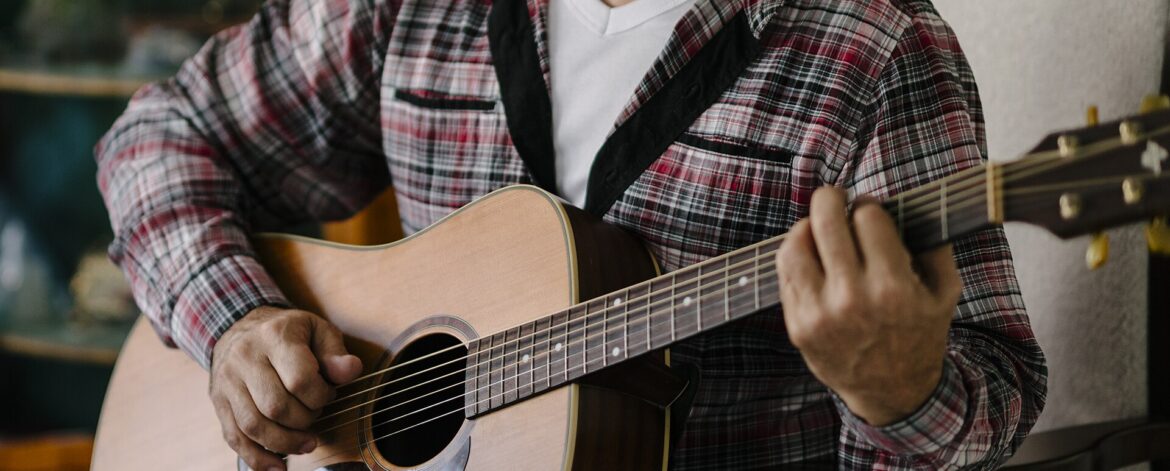
People ask guitar teachers a version of the same question every month. Does learning guitar actually help your mind and mood, or is that just lifestyle magazine padding?
The short teacher answer is: there is real peer reviewed signal worth reading, and there is also a lot of hype. Some of the strongest studies are about musical instrument training or group music making in general, not guitar alone. Some of the most careful clinical findings come from music therapy or rehab protocols that are not the same as a studio lesson. Guitar also has its own honest downside: playing related pain is common in surveys of players.
This article is a study guided map for students and parents at Maxim’s Guitar Workshop. It uses plain Australian English and clear labels for guitar specific evidence versus broader music research.
Not medical advice. This piece summarises educational research on music and instrument learning. It is not medical advice, and guitar lessons are not a substitute for assessment or treatment by a qualified health professional. If you have pain, neurological symptoms, or mental health concerns, seek appropriate clinical care. Music therapy is a regulated clinical practice distinct from recreational or studio guitar tuition.

How to read this evidence
Three reading rules keep the science honest.
Guitar specific versus music or instrument general. Findings from guitar classes or guitarist samples are marked guitar specific. Findings from piano, strings, choir, melodica, or mixed musical instrument training are marked music or instrument general. Transfer to guitar can be reasonable when the skill is complex, bimanual, and teacher led, but it is not automatic proof that weekly hobby guitar matches every trial protocol.
Studio lessons versus clinical music therapy. Credentialed music therapists work to clinical goals with assessment and documentation. Studio teachers work to musical goals: technique, repertoire, timing, tone, and independence. Related science can show that music based activity matters. It does not turn a private lesson into therapy. Music supported therapy after stroke, for example, is usually a clinical rehab protocol built around keyboard or drums, not a marketing synonym for tuition.
Evidence strength. Strong usually means a systematic review or meta analysis of controlled trials, or several consistent randomised trials. Moderate often means a solid single trial plus converging work with clear limits. Preliminary means small pilots, short programs, cross sectional imaging, or tiny guitar only samples. We lean on those tiers and skip lifestyle fluff.
What the evidence can say: learning an instrument trains attention, pattern memory, listening, and coordinated movement. Music engagement is associated with stress and mood benefits in large reviews. Group music making has some of the best social wellbeing data. Guitar has a small but real clinical literature, especially group classes researched with people who have Parkinson’s disease.
What it cannot say: that guitar prevents dementia, cures depression, replaces clinical care, or lowers every biomarker after a short fretting session. Dose for casual hobby practice is still poorly mapped. Far transfer to everyday cognition is usually small and selective when it appears at all.
Stress, mood, and mental wellbeing
Music interventions and stress (music or instrument general). In Health Psychology Review, de Witte and colleagues (2020) pooled a large set of randomised trials of music interventions. Across roughly one hundred trials and thousands of participants, they reported moderate average effects on psychological stress markers and smaller to moderate effects on physiological stress markers. That supports music engagement as a wellbeing habit. It is not a prescription to skip clinical care. Those reviews mix listening, singing, and structured protocols. Hobby fretting is related in spirit, not identical in dose.
A related strand from the same research group found larger average effects when the intervention was delivered as music therapy rather than informal music activity. Clinical protocols and studio lessons are neighbours, not twins.
Arts and health at policy scale (music or instrument general). Fancourt and Finn (2019), in a World Health Organization Health Evidence Network synthesis, mapped a huge arts and health literature. Music sits among the most researched art forms for mental health and social outcomes across the life course. Treat that as a high level map. Do not translate it into a claim that private guitar lessons treat clinical depression.
Acute lesson effects including guitar (guitar specific subset). A recent pilot in musicians (guitar players included among violin and piano) measured mood and a cognitive interference task before and after a single instrumental lesson of about forty five to sixty minutes. Positive affect rose, negative affect and state anxiety fell, and Stroop interference improved, with affective change linked to much of the cognitive change. There was no control group, everyone was already trained, and effects were acute only. A good lesson often leaves people feeling clearer. Researchers would still want controlled replication.
Short guitar programs in vulnerable youth (guitar specific, preliminary). Sülün, Olgaçer and Eren (2022), in the International Journal of Music Education, ran an eight week activity based guitar program with ten younger relatives of cancer patients aged eleven to seventeen. Anxiety scores fell and some life satisfaction subscales rose. Without a concurrent control group, attention effects are possible. Frame it as a hopeful pilot, not a treatment claim.
Group guitar and mood in Parkinson’s disease (guitar specific, preliminary to moderate). Bastepe Gray and colleagues (2022) published GuitarPD in Parkinson’s Disease: a randomised pilot of group fingerstyle guitar classes (six weeks, twice weekly) versus usual care. Depression scores improved modestly after the guitar block, quality of life showed trends, and enjoyment was high. A later classical guitar versus group exercise crossover (2025) found motor gains favoured guitar in a small completing sample, while mood and quality of life also moved with exercise. Social contact may drive some non motor benefits. This is specialised neurology adjacent pedagogy, not a general hobby guarantee, and not credentialed music therapy by default.
Teacher takeaway: regular, meaningful music practice can support mood and stress management for many people. If anxiety or depression is clinical, get clinical help. Guitar can sit beside care as valued leisure. It should not replace care.
Cognition, attention, and learning transfer
Magazine headlines usually overreach here. The journals are more careful.
Instrument training in healthy older adults (music or instrument general). A 2024 meta analysis in Brain and Cognition pooled thirteen studies of musical instrument training in musically naïve adults aged sixty and over (about five hundred participants). Significant average effects appeared for inhibition, switching, category switching fluency, and processing speed. Working memory, verbal memory, and selective visual attention did not show reliable effects. Many trials had risk of bias concerns. Instruments and dose were mixed. Few arms were guitar only. Later life instrument learning shows modest, selective cognitive gains, especially for speed and executive switching, not a global IQ boost.
Classic piano trial and short program caveat (music or instrument general). Bugos and colleagues (2007), in Aging and Mental Health, gave musically naïve adults aged sixty to eighty five about six months of individualised piano instruction versus controls. Trail Making Test B and Digit Symbol improved, with some retention months later. Guo and colleagues (2023), in Frontiers in Aging Neuroscience, tested a ten week melodica program and did not clearly replicate that pattern, with only limited fluency and reaction time signals. Guitar is closer to piano than to one handed melodica in bimanual demand. If far transfer happens, expect months of supervised practice, not a fortnight of novelty.
Healthy ageing synthesis and dementia caution (music or instrument general). An earlier PLOS ONE synthesis associated with Román Caballero and colleagues (2018) reviewed mixed correlational and experimental work on musical practice in healthy ageing. Benefits and possible protective roles are suggested, but musician versus non musician designs are confounded by education and opportunity. Do not claim dementia prevention. Learning guitar can keep you mentally engaged. That is already a good reason to learn.
Children and intensive instrumental learning (music or instrument general). Guo and colleagues (2018), in Frontiers in Psychology, found Digit Span gains after about twelve keyboard harmonica sessions over six weeks in an exploratory child trial; other cognitive measures mostly did not move. James, Frischen and colleagues (2020), in Frontiers in Neuroscience, ran a cluster randomised school study over about two years comparing formal string training with music sensitisation. The string group showed broader gains in working memory, attention, processing speed, cognitive flexibility, reasoning, hand function, and bimanual coordination. That is intensive, multi year, class based learning. It is not proof that a casual weekly guitar slot alone will match those outcomes.
Musician comparisons and guitarist imaging. Zuk and colleagues (2014), in PLOS ONE, found better executive function scores in musicians than non musicians in a cross sectional design (selection bias remains). Acer and colleagues (2024) reported some gray matter differences in a tiny elite guitarist sample. Neither study means beginner lessons grow your brain on demand.
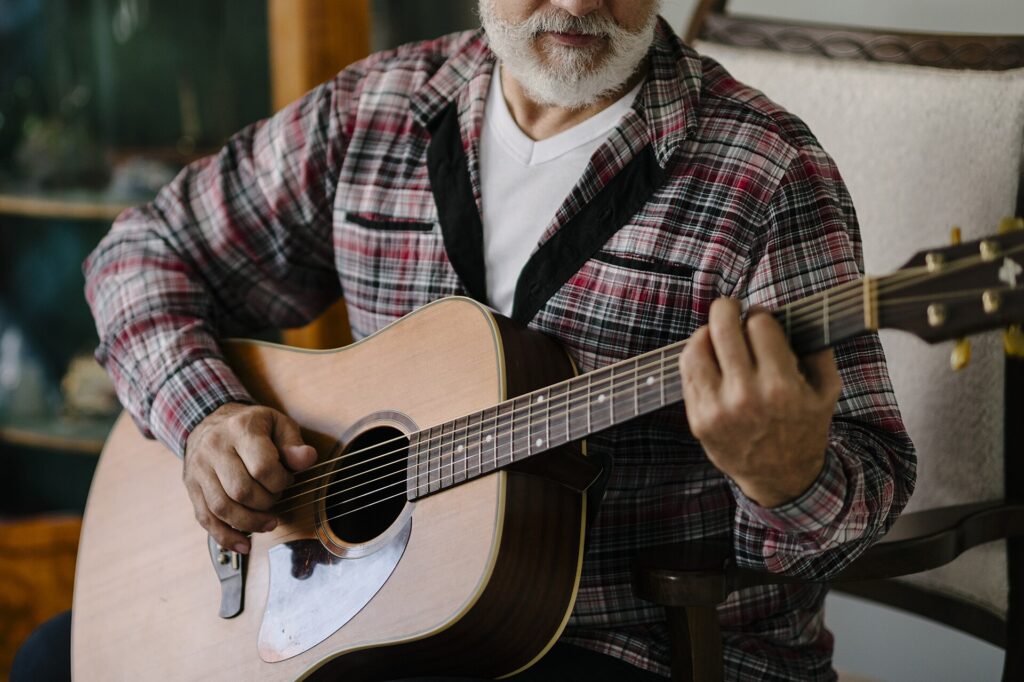
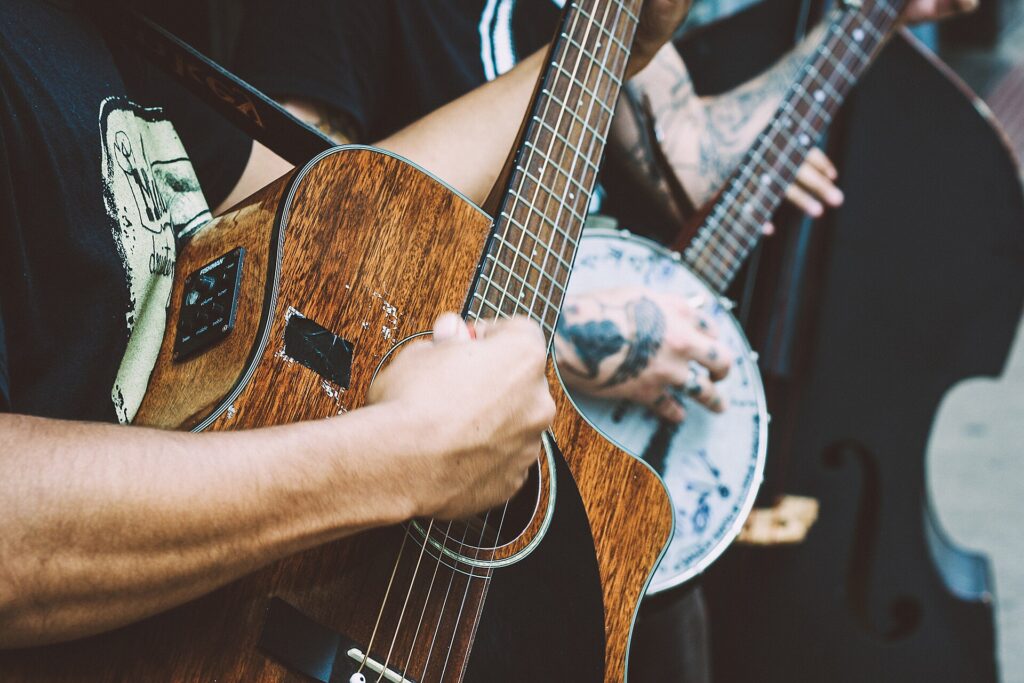
Teacher takeaway: treat guitar as complex skill learning that trains attention, pattern memory, listening, and coordination. Cite selective ageing and developmental findings without promising higher IQ or dementia immunity.
Social connection, ageing, and quality of life
Community choir evidence (music or instrument general). Johnson and colleagues (2018), in the Journals of Gerontology Series B, reported the Community of Voices trial: hundreds of diverse older adults randomised into a community choir. Over six months, loneliness and interest in life improved. Cognition and physical function were not the main wins. Other singing trials improve positive affect and social wellbeing, sometimes without beating an active wait list on loneliness. Group singing has the best randomised social evidence in music. Guitar ensembles do not yet have matching loneliness RCTs.
Transfer to guitar groups. The plausible bridge is shared meetings, collective goals, gentle performance, and peers. GuitarPD feedback heavily praised social atmosphere, which is supportive colour, not a loneliness trial. Private one to one lessons can feel relational through teacher rapport, but they are a weaker match to the choir mechanism than group classes, jams, and ensembles.
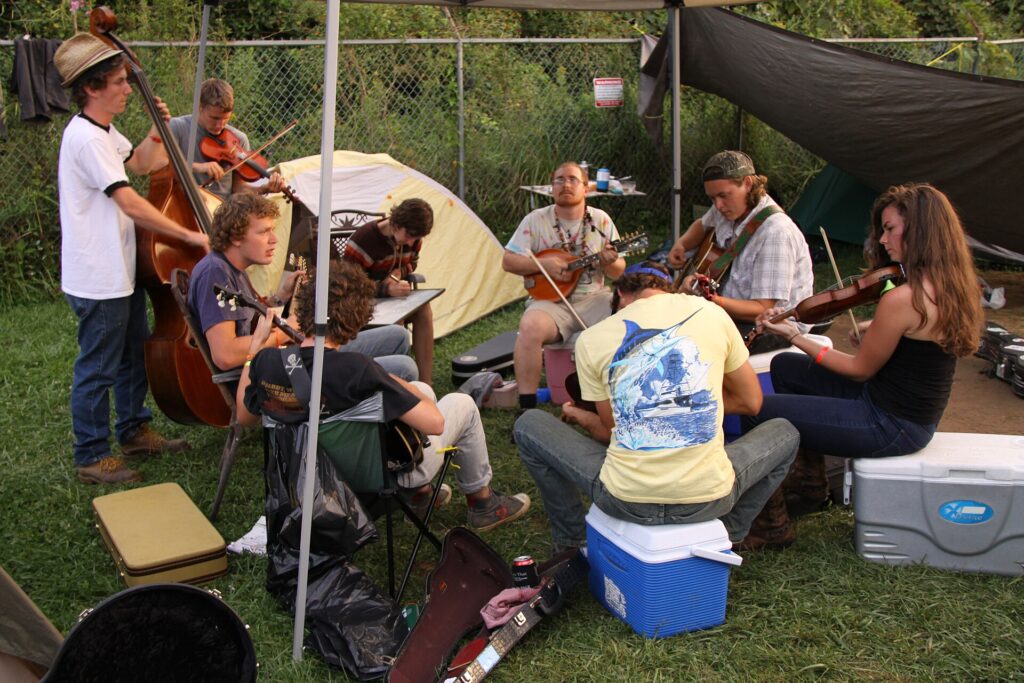
Teacher takeaway: if connection matters, ask about group pathways, ensemble nights, or shared repertoire. Solo practice builds craft. Shared music builds belonging more reliably in the published literature.
Motor skills and coordination
Music supported therapy after stroke (music or instrument general, clinical). Huang and colleagues (2021), in Frontiers in Neurology, reviewed randomised trials of music based approaches for hand function after stroke. Signals appeared for dexterity, strength, and quality of life, with low to moderate certainty and a call for larger trials. Foundational music supported therapy often used piano and electronic drums. Guitar is biomechanically plausible for finger isolation and sequencing, but it is rarely the studied instrument. Maxim’s Guitar Workshop does not market lessons as stroke rehab.
Developmental motor gains and Parkinson’s guitar pilots. The James and Frischen (2020) string trial also improved hand function and bimanual coordination. In GuitarPD and the later classical guitar versus exercise crossover, motor examination scores moved in encouraging directions with guitar in small samples. Benefits may fade without continued practice. These pilots are not disease modifying treatments.
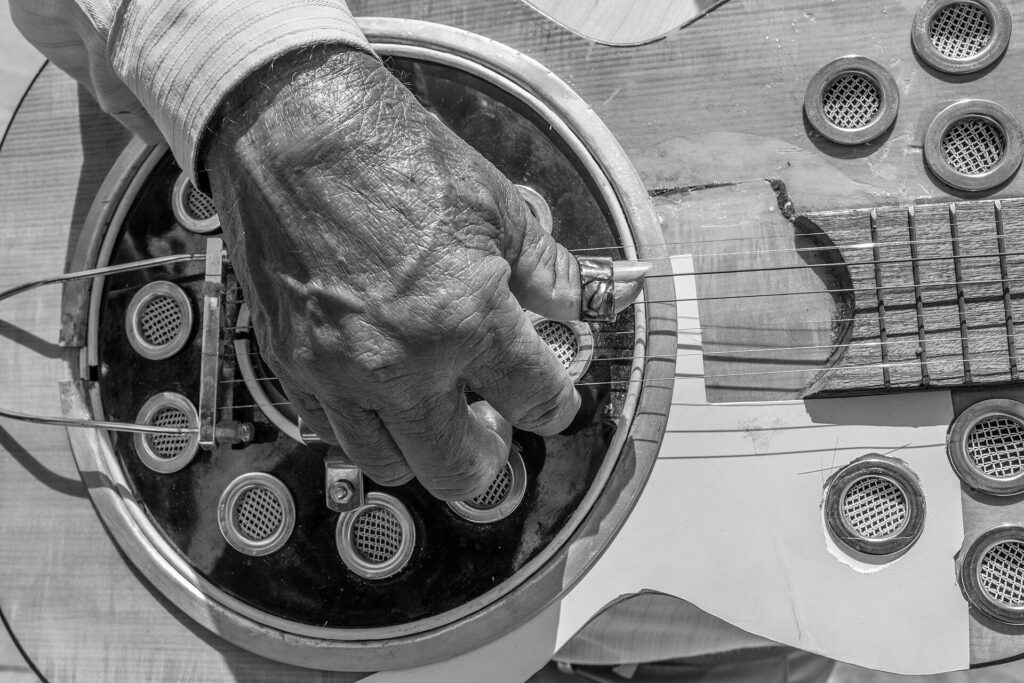
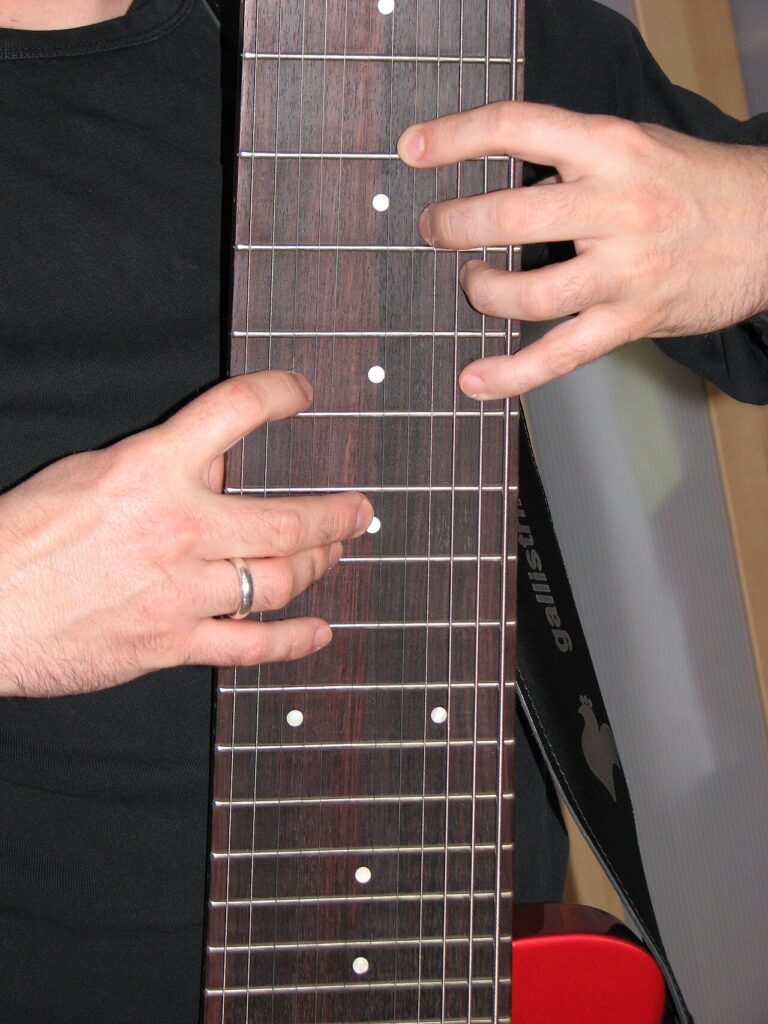
Teacher takeaway: expect fretting hand independence, picking control, and timing to improve with smart practice. Do not confuse craft progress with prescribed neurologic music therapy.
The other side: playing related pain and musculoskeletal risk
Playing can support wellbeing and still hurt if load, posture, and recovery are ignored.
Survey prevalence (guitar specific). Rigg, Marrinan and Thomas (2003), in Medical Problems of Performing Artists, surveyed two hundred sixty one guitarists. About sixty one percent reported playing related pain in the prior year. The fretting hand was the most common site, followed by back and neck.
Posture links and pooled estimates (guitar specific). Portnoy, Cohen and Ratzon (2022), in PLOS ONE, linked sitting versus standing posture to pain reports in a small sample. A 2025 systematic review and meta analysis preprint on playing related problems in guitarists pooled thousands of players: any playing related problem sat near the low fifties percent, with higher self reported musculoskeletal symptoms and non trivial clinically diagnosed rates, plus high heterogeneity. Until a peer reviewed journal version settles the numbers, keep the message: strain is common enough that technique pedagogy is part of health messaging.
Broader musician reviews repeatedly point to repetitive load, prior injury, stress, and practice volume. Guitar is a repetitive, asymmetric instrument if you grind without breaks.
Teacher takeaway: warm ups, breaks, gradual load, sensible strap and seat height, and early attention to fretting hand tension are how you keep wellbeing benefits without collecting injury statistics.
Practical takeaways for MGW students
- Learn guitar as a craft first. Attention, listening, pattern memory, and coordination are the everyday cognitive workout. Cite ageing studies as encouragement, not as a brain training product label.
- Use practice as a mood routine, not a miracle cure. Short, regular sessions with songs you care about beat heroic cramming.
- Prefer some shared music if connection is a goal. Group classes, duets, and jams sit closer to the choir evidence than endless solo looping.
- Give older beginners months, not days, before judging cognitive transfer. Trials that move processing speed and switching usually involve sustained, supervised learning.
- Protect the hands and spine while you chase the riffs. Pain that persists or worsens needs a health professional, not only a different tip video.
- Keep music therapy language out of lesson talk. We teach guitar. When therapy or rehab research is relevant, we say so and draw the boundary.
If you like historical craft stories beside healthy practice habits, see rock guitar techniques still used today and our history of blues guitar.
FAQ
Is this medical advice? No. Educational summary only. See the disclaimer at the top and bottom.
Will guitar lessons treat my anxiety or depression? No. Music therapy has a stronger clinical evidence base in defined settings. Lessons can be meaningful leisure beside proper care.
Is guitar proven to prevent dementia? No. Instrument training in older adults shows modest, selective cognitive effects. Prevention claims are not warranted.
Are the benefits unique to guitar? Mostly not. Many headline findings are instrument general. Guitar specific strengths include Parkinson’s group pilots and a large playing related injury literature.
Can kids gain cognitively from lessons? Intensive, sustained instrumental learning has better evidence than tiny short programs. Expect musical skill first; treat extra cognitive gains as a possible bonus.
How do I practise for wellbeing? Consistent schedule, songs you enjoy, some social music if possible, warm ups, breaks, and gradual difficulty. Stop or modify if pain appears.
Soft close
The health benefits of playing guitar are real enough to teach about and limited enough to stay humble. Music engagement can support stress and mood. Instrument learning in ageing shows modest selective cognitive effects. Group music helps belonging. Guitar has encouraging specialised pilots and a clear injury counterweight. Studio lessons are not clinical music therapy.
If you want help building a sustainable practice habit with healthy technique, book a free consultation or check tuition with Maxim’s Guitar Workshop. Bring the song you actually want to play. We will work the hands, the ears, and the pacing so the instrument stays a source of craft and wellbeing rather than strain.
Not medical advice (closing reminder). This article is for general education. It is not a diagnosis, treatment plan, or substitute for qualified health care. Music therapy remains distinct from recreational or studio guitar tuition.
Sources
Peer reviewed and institutional sources cited above. Visible prose used author year venue style. Full DOI or publisher URLs below (technical strings may contain hyphens or periods).
Román Caballero et al. (2024). Musical instrument training and executive functions in healthy older adults. Brain and Cognition. View study
Román Caballero related synthesis (2018). Musical practice as an enhancer of cognitive function in healthy aging. PLOS ONE. View study
Bugos et al. (2007). Individualized piano instruction and executive functioning in older adults. Aging and Mental Health. View study
Guo et al. (2023). Ten week musical instrument training in healthy older adults. Frontiers in Aging Neuroscience. View study
Guo et al. (2018). Digit Span after short musical instrument intervention in children. Frontiers in Psychology. View study
James, Frischen et al. (2020). Formal string instrument training in primary school children. Frontiers in Neuroscience. View study
Zuk et al. (2014). Executive functioning in musicians and non musicians. PLOS ONE. View study
Acer et al. (2024). Structural and functional brain changes in guitarists. Journal of Clinical Practice and Research. View study
de Witte et al. (2020). Music interventions and stress related outcomes. Health Psychology Review. View study
de Witte et al. music therapy stress meta analysis. Health Psychology Review. View study
Fancourt and Finn (2019). WHO Health Evidence Network synthesis on arts, health, and wellbeing. View report
Bastepe Gray et al. (2022). GuitarPD group guitar classes in Parkinson’s disease. Parkinson’s Disease. View study
Classical guitar versus exercise crossover in Parkinson’s disease (2025). View study
Sülün, Olgaçer and Eren (2022). Activity based guitar program, anxiety, and fulfillment. International Journal of Music Education. View study
Huang et al. (2021). Music therapy and hand function after stroke. Frontiers in Neurology. View study
Johnson et al. (2018). Community of Voices choir intervention and wellbeing in older adults. Journals of Gerontology Series B. View study
Rigg, Marrinan and Thomas (2003). Playing related injury in guitarists playing popular music. Medical Problems of Performing Artists. View study
Portnoy, Cohen and Ratzon (2022). Body postures and musculoskeletal pain in guitar players. PLOS ONE. View study
Playing related problems in guitarists systematic review and meta analysis preprint (2025). View preprint
Musician musculoskeletal risk factors systematic review. Occupational Medicine. View study