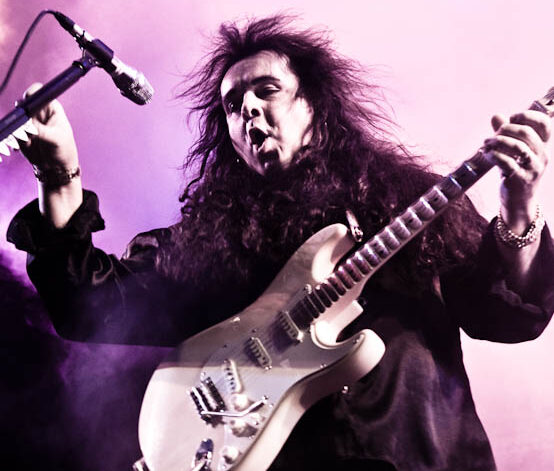
Fans often park the Yngwie Malmsteen accident in 1984. That is the year Rising Force landed and his neo classical profile went nuclear. Fair mix up. The serious road crash was later: 22 June 1987, Woodland Hills, California.
If you are thinking about a return to playing after injury, this is worth sitting with. Not as a blueprint. As a story with dates you can trust.
Quick aside: this is not medical advice. Injuries are individual. Talk to a qualified clinician before you change practise, load, or technique.
Pronunciation tip: Yngwie is roughly ING vay. On records you will also see Yngwie J. Malmsteen.
What actually happened in June 1987
Contemporary Los Angeles Times coverage places him in a Jaguar that hit a tree near his Woodland Hills home on 22 June 1987. Early press said concussion.
In a May 1988 LA Times interview with Dennis Hunt, Malmsteen described a coma of about eight days and roughly two weeks in intensive care, plus memory loss around the crash window.
Later interviews and secondary bios also mention brain haemorrhage or nerve damage on the right side. Wording jumps around by outlet. Prefer the 1987 and 1988 LA Times timeline for what you can anchor near the event.
By 12 July 1987 the LA Times had him as an outpatient at Northridge Hospital doing light physical therapy after about two weeks inpatient. PolyGram expected album work mid August. A benefit date was on the table. Whether he could perform was still uncertain.
The pick hand problem
For a lot of players the fear is speed. In Malmsteen’s 1988 account the threat was more basic. He said his right arm was paralyzed. He could not hold a pick.
Later interviews and bios often talk about the right hand or nerve endings. Same injury, described at different levels. Either way the public story is blunt: right after the crash, he could not play.
That is not a “push through it” moment. It is medical and rehab first. Music comes after clinical guidance.
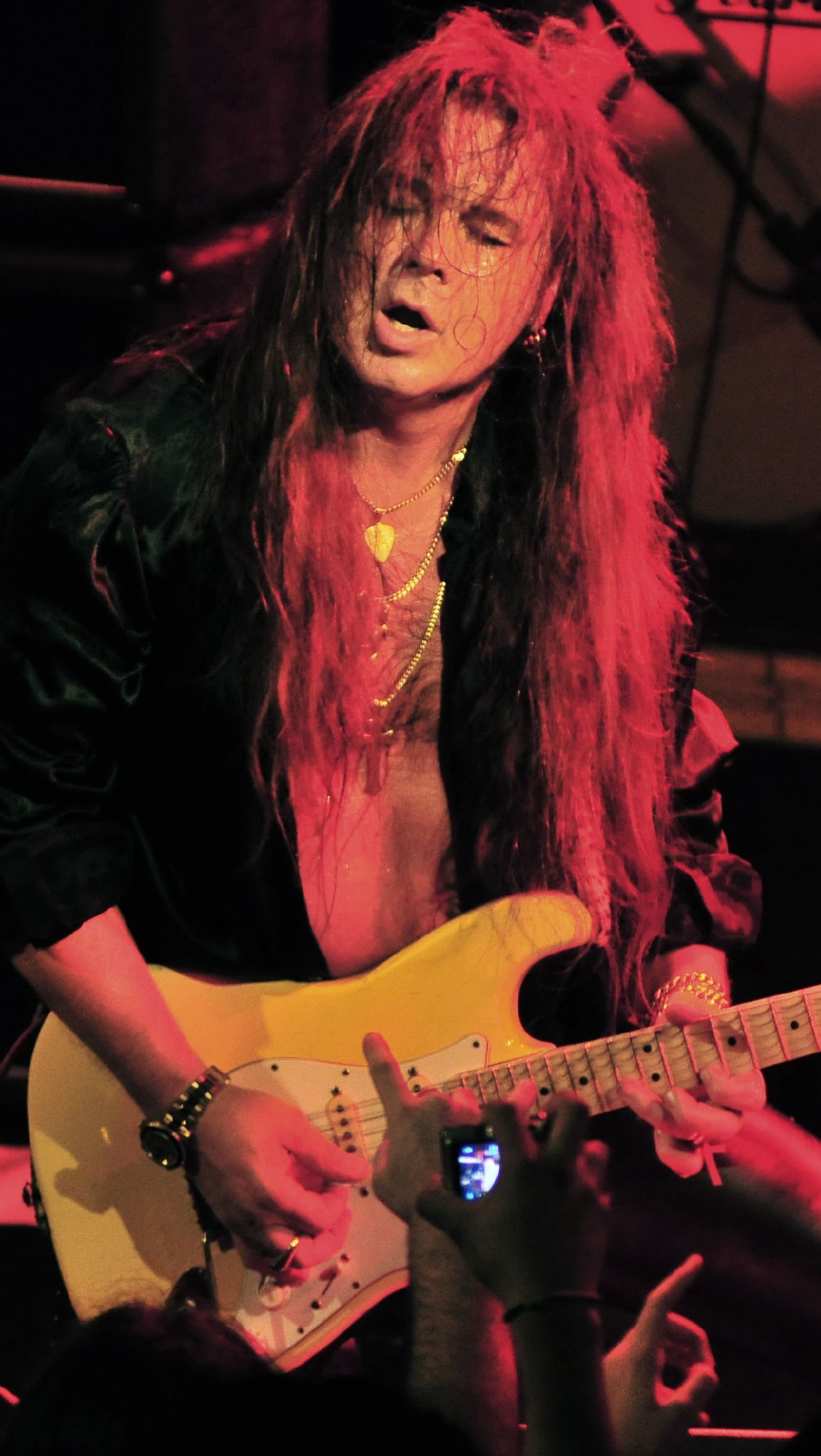
Rehab honesty: therapy, not a secret shred plan
Primary interviews and reputable press stay high level on recovery. The LA Times notes light outpatient physical therapy at Northridge within weeks of discharge, then months of therapy that got him back far enough to return. Secondary bios talk about intensive physical therapy aimed at regenerating nerves in the hand.
What we did not find: named finger or picking exercises. No metronome regimens. No stretch routines. No PT exercise list attributed to Malmsteen.
Some secondary pieces paraphrase permanent damage. His 1988 account emphasises therapy and a return to recording. Treat those permanent claims as unverified or conflicting.
Even at his level, the public credit goes to clinicians, a determined return to the instrument, and more practise after healing. Not a hidden protocol. Your physiotherapist or hand therapist is the real work here.
Three months, then Odyssey
In that May 1988 LA Times interview Malmsteen said it took about three months before he started playing guitar again. Recording for Odyssey began late 1987. The album arrived in 1988 (PolyGram; issued as Yngwie J. Malmsteen’s Rising Force), with vocalist Joe Lynn Turner and the hit Heaven Tonight.
By May 1988 he was touring again. February 1989 brought sold out Moscow and Leningrad shows, later documented as Trial by Fire: Live in Leningrad.
Before the crash: Rising Force (1984), Marching Out (1985), Trilogy (1986). After recovery: Odyssey, then the stage again. Read that as interruption and return, not as proof that trauma makes you faster. Therapy, patience, recording, touring. After healing he practised even more. Protect the hand while it heals. Rebuild skill under guidance.
Those three months are permission, not a prescription. Your clinician sets your timeline. Rest and rebuild can sit inside a serious career. “Play through everything” culture is not the same thing as resilience.
Mindset without the toxic grind
Malmsteen’s recovery interviews are full of drive. To the LA Times in 1988 he said he wanted to play again: he had to play again, so he just did it. In a 2017 Guitar Interactive interview reported by Blabbermouth, he linked the title of his memoir Relentless to crushing obstacles, said he never gives up, and recalled a doctor telling him he would get better.
A 2021 Guitar World retrospective quotes him framing 1987 as a dark period that also included his mother’s death and a financial rip off, and insisting that obstacles get crushed. Those lines can land for players who feel stuck. Keep them in context. Relentless energy is not a substitute for diagnosis. Do not self diagnose nerve issues. Do not copy an unknown PT plan from a celebrity interview.
An authorised Guitar World excerpt from Relentless (7 October 2013) shows formative teen years practise philosophy and drive. Useful for character. Not a rehab chapter after the crash, and not a clinical protocol for 1987.
What this means for your return to playing
General workshop wisdom only. Not Malmsteen’s protocol. Not a substitute for clinical care.
Get medical clearance and follow the plan your clinician sets. Public interviews describe physical therapy and patience. They do not publish a named exercise list you can copy. Your therapist builds yours.
Separate healing time from skill rebuild time. His roughly three months before he started playing again is one person’s report, not your deadline. If your hand, wrist, shoulder, or nervous system is still recovering, forcing picking volume or speed is not resilience.
When you are cleared to play, rebuild with structure rather than ego. Shorter sessions. Clearer goals. Honest stops when symptoms rise. That matters more than matching a peak from before the injury on day one. On the Maxim’s Guitar Workshop site, Technique Basics, Practice Habits, and LMS Lesson Paths (page names only) can help you organise repertoire and session length once a clinician says it is safe. Adapt load. Do not invent drills from celebrity lore.
Treat mindset as support for care, sleep, and pacing. Not as a reason to override pain. Drive helped Malmsteen stay oriented toward playing again. It did not replace months of therapy.
FAQ
Was Yngwie Malmsteen’s serious car accident in 1984 or 1987?
1987. 22 June, Woodland Hills. 1984 is the Rising Force album year. That is where the fan confusion usually comes from.
Could he hold a pick after the crash?
In his May 1988 LA Times interview he said the right arm was paralyzed and he could not hold a pick. Later sources often describe right hand or nerve involvement. Straight answer: he could not play immediately.
Did he publish a guitar rehab exercise list?
No. Nothing named showed up in the primary interviews and reputable press used for this piece. Sources describe physical therapy, months of rehab, then return to the instrument and more practise after healing. That is it.
How long before he played again, and what came next?
He told the LA Times it took about three months before he started playing guitar again. Recording for Odyssey began late 1987. The album and Heaven Tonight followed in 1988, with major live work into 1989.
If you are recovering and still want lessons
Medical care first. If hand, wrist, shoulder, or neuro symptoms are affecting your playing, see a medical professional before you change technique or load.
With clinical clearance, Maxim’s Guitar Workshop can adapt lessons: repertoire, session length, and pacing that respect recovery. Look at Book a Free Consultation or Tuition Fee on our site. We will not invent a celebrity protocol. We will teach with care.