If you are working out how to prepare for your first gig as a guitarist, the short version is this: choose songs you can play cold, rehearse the whole set standing up, pack spares of everything that can break, and treat soundcheck as a quick technical job rather than a practice session. Nerves will still turn up, and that is normal.
This guide walks through how to prepare for your first gig step by step. Further down there is a free one page printable checklist with room for your setlist, a gear list to tick off and the soundcheck steps, so you can print it and take it to the venue.
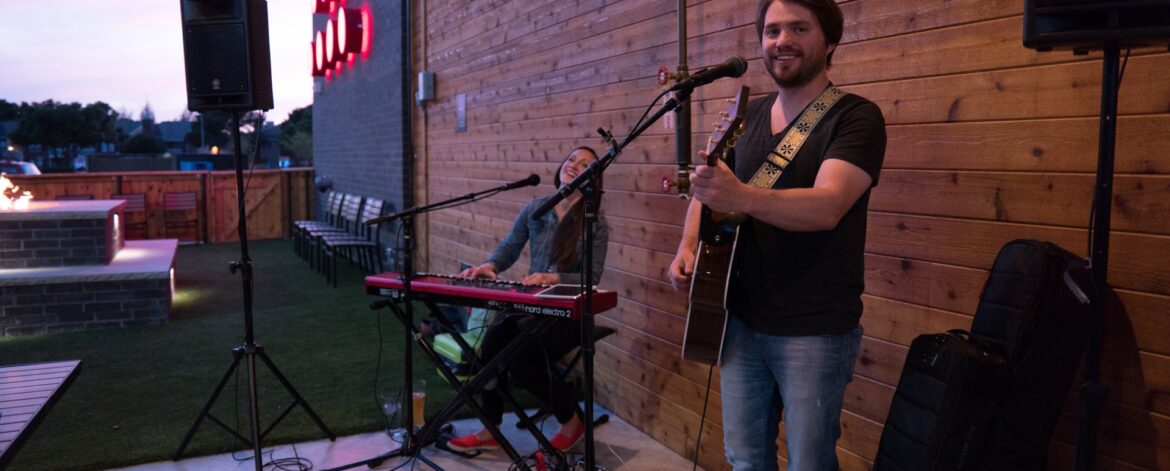
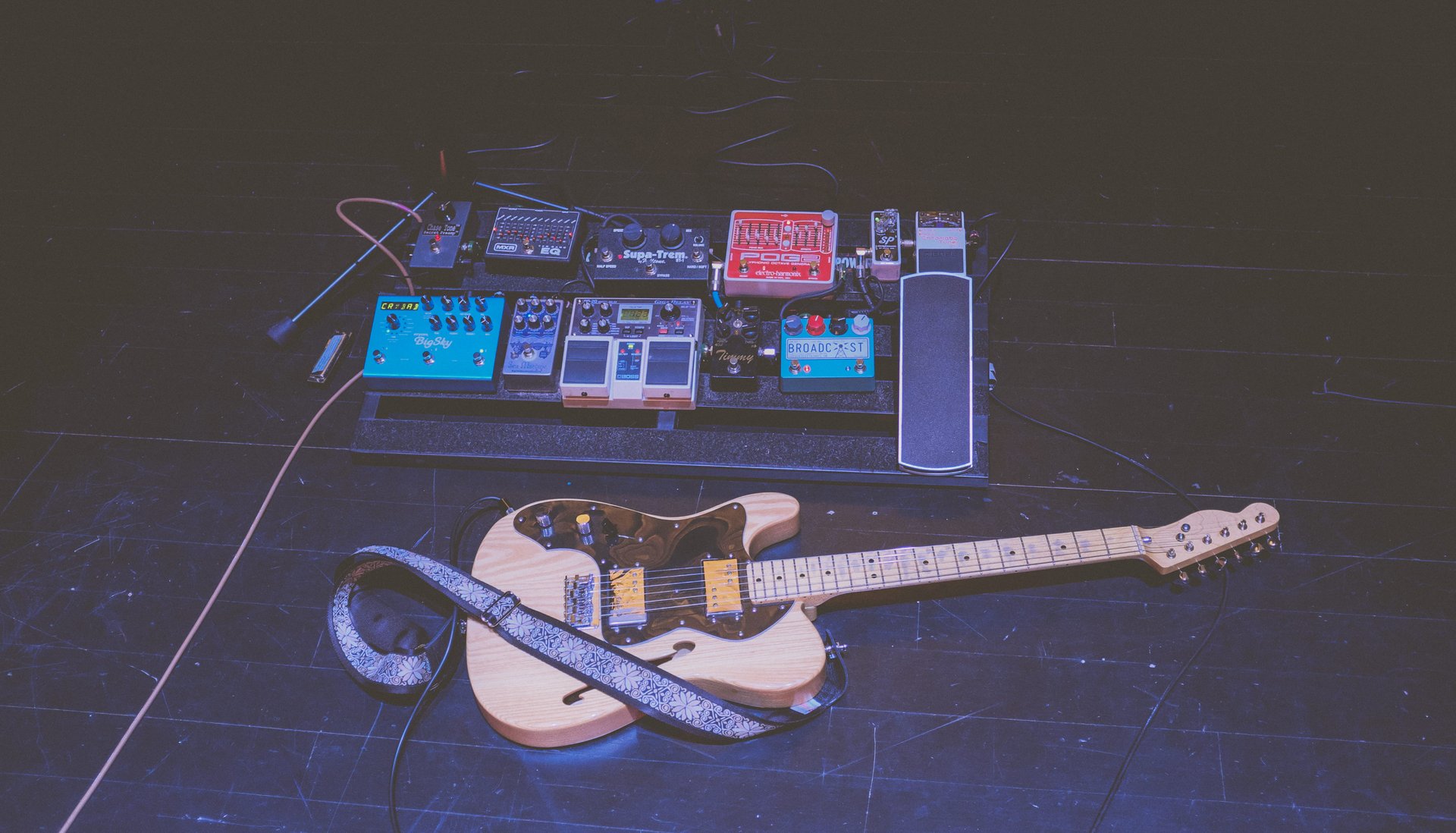
Photo: Nan Palmero, CC BY 2.0, via Wikimedia Commons
If you read my post on whether a guitarist should spend their time online or at gigs, this is the practical follow on for the gig side. I played in rock and metal bands from 2005 to 2015, and I now teach guitar. Where I give an opinion below, it comes from that experience, not from a study.
Build a setlist you can actually play
The first part of how to prepare for your first gig is choosing what to play, and that starts with one question to the venue or booker: how long is my set?
For context, the Music NT best practice guideline for venues gives typical performance lengths of 45 minutes per set for a two set show and 70 minutes for a one set show (checked 26 October 2026). In my experience a first opening slot is often shorter than that, so confirm it in writing.
My rule of thumb is about four minutes per song including the gap, so a 30 minute slot holds roughly seven songs. A good gig setlist for beginners then has a few features:
- Songs you can play cold. If you cannot play it straight through without warming up, it is not ready for this gig.
- A confident opener. MusicRadar’s first gig dos and don’ts suggest opening with a song that makes an impact. I would add: make it one you never miss.
- Your strongest song last. People remember the ending.
- One backup song. Have an extra song ready in case you finish early or the venue asks for one more.
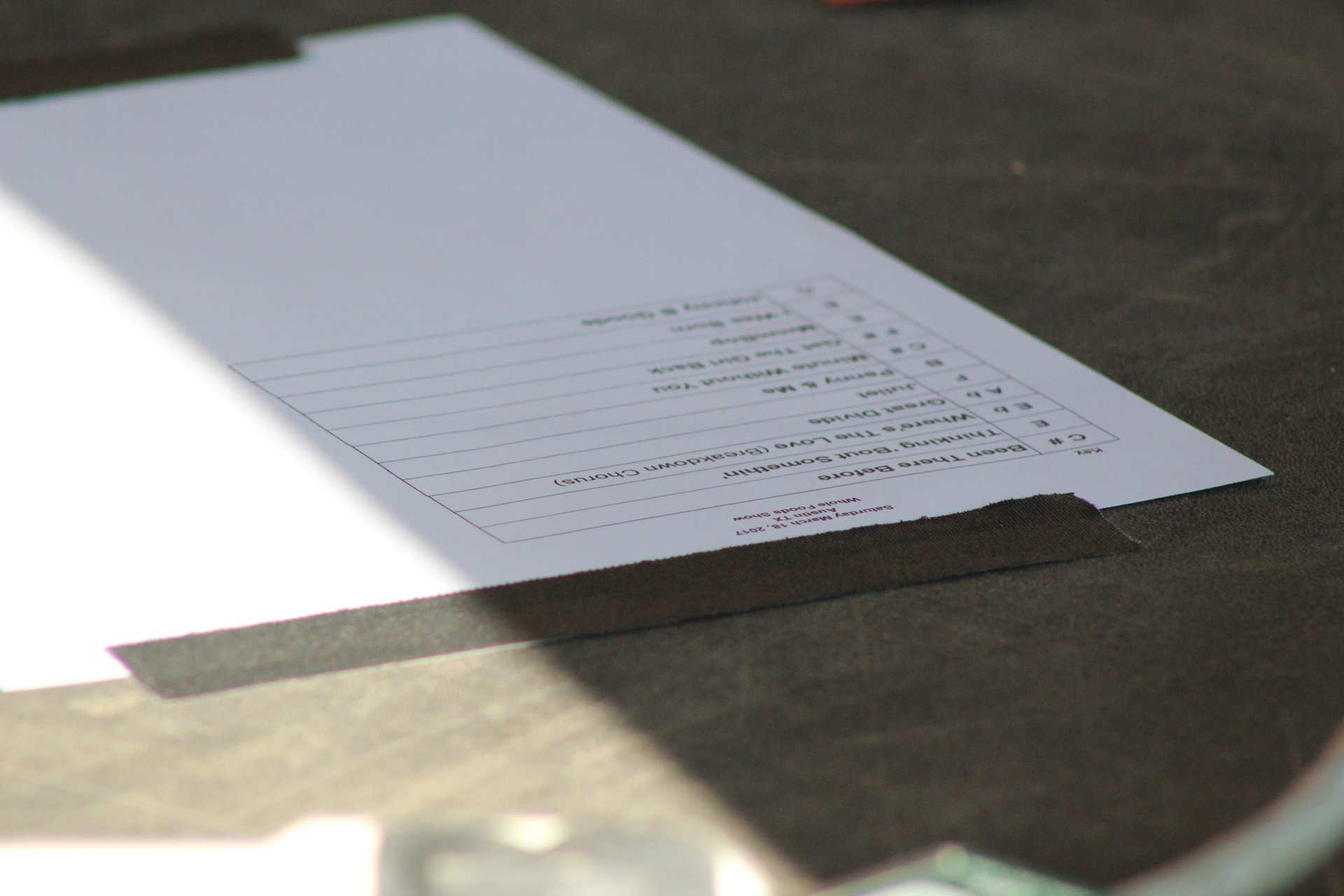
Write the final list in large letters, with the key or tuning next to each song, and tape a copy to the floor near your feet.
Practise like it is the gig
Once the list is set, how to prepare for your first gig becomes a rehearsal question. Practising songs one at a time on the couch is not the same as playing a set.
- Run the full set standing up, in order, with your strap at the height you will use on stage. Do not stop between songs except to tune.
- Record the run through. A phone is fine, or use a simple home recording setup for guitar. Listen back for timing, tuning and dead air between songs.
- Use a metronome or backing track. In my experience, adrenaline pushes most players faster on stage, so know what the right tempo feels like.
- Practise mistakes on purpose. Hit a wrong chord and keep going to the next bar. In my experience, the audience rarely notices a slip if the time keeps moving. They always notice a stop.
- Rehearse the talking. Plan a short line before a few songs so the gaps do not feel endless.
I suggest at least three full run throughs in the final week. Knowing how to prepare for your first gig is mostly knowing that the set, not each song, is what you are rehearsing.
Guitar gear checklist for a gig
Packing is the easiest part of how to prepare for your first gig to get right, because it is just a list. Ask the venue what they supply first. The Music NT guideline notes that musicians generally supply their own instruments, while venues are responsible for the PA and a sound engineer, and some also provide backline such as amps.
- Guitar, freshly restrung a day or two before, and stretched in
- Spare strings (a full set) and a string winder
- Strap, ideally with strap locks
- Two instrument cables plus one spare
- Tuner (pedal or clip on) with a fresh battery
- Picks, with spares stuck to your mic stand or amp
- Capo, if any song needs one
- Power board and your pedal power supply
- Spare 9V batteries for any pedal that can run on one
- Amp, or a note of the venue amp or DI box you will plug into
- Gaffer tape, a marker and your printed setlist
- Earplugs, water and a small towel
The MusicRadar gig survival kit also suggests a multi plug adapter, because you cannot assume the venue will have enough outlets. Plug every lead and pedal in at home the night before, then pack it all in one bag.
The printable sheet turns this into a guitar gig checklist you can tick off as you load the car, with space for your setlist and the soundcheck steps.
Download the free first gig checklist (PDF)
Soundcheck for guitarists
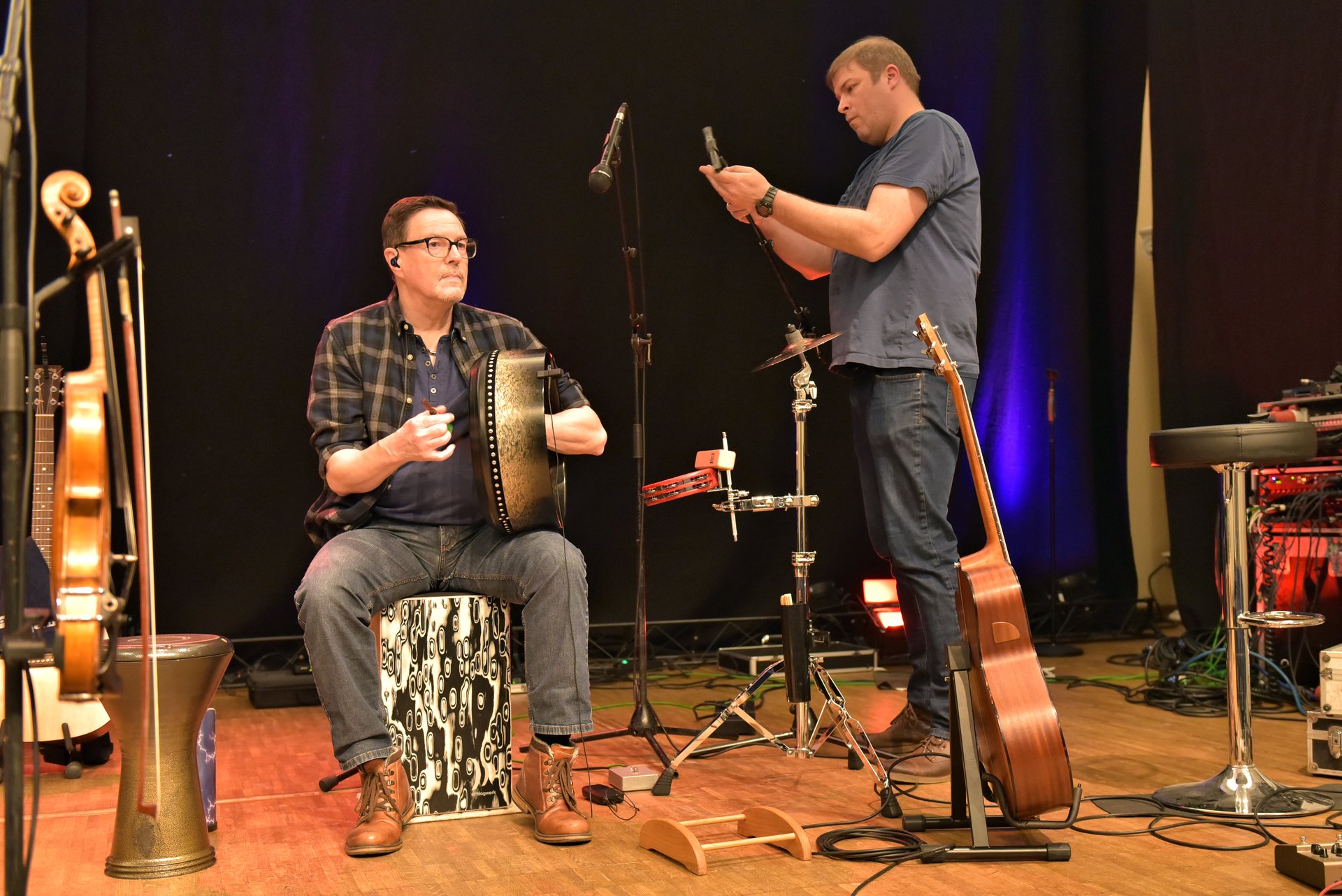
Soundcheck is often where nerves spike, so it helps to know what will happen. The Music NT guideline says the worksheet a venue sends before a show normally covers soundcheck and set times, so read it and arrive on time.
- Introduce yourself to the sound engineer. Tell them whether your amp needs a mic or whether you are going into a DI.
- Set up quickly and tune before you are asked to play.
- Line check. When the engineer asks, play your normal sounds at their real levels: clean, crunch and any lead boost.
- Ask for your monitor level. Something like “a bit more guitar in my wedge, please” is all you need.
- Keep your amp volume moderate. MusicRadar’s soundcheck checklist points out that if your amp is miked, the engineer controls the room, so you do not need a loud stage volume.
- Keep it short. The same article says one or two short songs are enough. Do not noodle while the drums are being checked.
Part of how to prepare for your first gig is accepting that the stage will sound different to your bedroom. MusicRadar also warns against changing your amp settings because of the monitor mix, since that is not what the audience hears.
Bring earplugs. Hearing Australia (article dated 27 June 2023) says concerts nearly always push people over their daily noise dose, and that high fidelity music earplugs are designed to lower the volume without hurting the sound quality.
Handling first gig nerves
Almost every player feels nervous before the first show, and many experienced players still do. Feeling nervous does not mean you are not ready.
Preparation is the biggest lever. In a panel on performance anxiety from the Australian Institute of Music (16 August 2022), wellbeing manager Robert Brennan put it simply: “Nothing breeds anxiety more than not feeling prepared.” That is the real reason to learn how to prepare for your first gig properly.
- Slow your breathing. Healthdirect suggests counting to 3 as you breathe in and 3 as you breathe out, and says a longer out breath may help.
- Call it excitement. The same AIM panel suggests that naming the feeling as excitement, rather than anxiety, can make it easier to sit with.
- Keep a routine. Eat at a normal time, and warm up gently for ten minutes rather than shredding for an hour. My post on guitar injuries and how to prevent them has a stretch routine you can use.
- Go easy on caffeine and alcohol. Healthdirect suggests reducing stimulants like caffeine when stressed and not using alcohol to cope.
- Accept a few mistakes. Aim for a good show, not a perfect one.
These are general tips, not medical advice. If nerves are severe or stop you performing, talk to your GP. The Support Act Wellbeing Helpline (1800 959 500) offers free, confidential counselling for people working in Australian music.
On the night
All the work on how to prepare for your first gig pays off in an hour or two, so keep the night itself simple.
Timing. Arrive at the load in time, know your start and finish times, and finish on time. The next act and the venue are counting on it.
Tuning on stage. Tune before you walk on, then check between songs with your tuner muted. MusicRadar advises tuning quickly and silently rather than through the amp. If your tuner dies, knowing how to tune a guitar by ear with relative tuning will get you through the set.
Talking to the audience. Say your name, thank the venue and introduce a song or two. Short and warm beats long and nervous.
If something breaks. A big part of how to prepare for your first gig is having a plan B:
- A string snaps: finish the song on five strings, then restring or swap guitars.
- A cable crackles or dies: swap in the spare and keep going.
- A pedal fails: take it out of the chain and plug straight into the amp.
- Your mind goes blank: look at the setlist, find the next chorus and come back in.
After the gig
Pack up quickly and clear the stage for the next act. Then thank the sound engineer and the venue staff. People remember players who are easy to work with, and that is how a first booking turns into a second one.
Write notes the same night: which songs felt good, where you rushed, what you forgot to pack. If someone filmed the set, watch it a few days later when you can be objective. That review is how to prepare for your first gig and every gig after it.
If you played original songs and you are an APRA member, submit your setlist. APRA AMCOS Performance Reports list what you played, where and when, and they ask you to include covers too so the writers get paid. If a promoter organised the event, the promoter submits the setlist instead.
How far ahead should you start preparing?
In my teaching experience, four weeks is a comfortable minimum for a short set of songs you already know. If you are still learning the songs, start earlier. The checklist works at any stage, and how to prepare for your first gig comes down to the same steps either way.
Do I need my own amp for my first gig?
Not always. Ask the venue whether they have backline or a DI box. If you bring your own amp, a small one is usually plenty when it is miked through the PA.
The honest answer to how to prepare for your first gig is that the preparation is ordinary work: a realistic setlist, full run throughs, a packed bag and a calm soundcheck. Do those, and the night will take care of itself more than you expect.
If you would like a clear, step by step start on guitar, my online beginner course is a good place to begin.