Wilko Johnson was the Dr Feelgood guitarist who made one Telecaster sound like a rhythm player and a lead player at once, with no pick. Learning Wilko Johnson guitar technique means learning a right hand that never stops, a left hand that mutes, short chord stabs and quick single notes dropped in between. This post covers his life and music, how the style works, a lesson with tab on a 12 bar in A, and a free printable practice sheet. This guide breaks down Wilko Johnson guitar technique so you can hear it, see it and play it.
Quick answer: what is Wilko Johnson guitar technique? No pick. The strumming hand moves down and up on every eighth note while the fretting hand lifts off the strings to mute them. Short chord stabs come from pressing and releasing a thumb over chord shape, and single note licks slip in between, so one guitar covers rhythm and lead together. In short, Wilko Johnson guitar technique means rhythm and lead in one part, played with the fingers.
I teach guitar in Darwin, and I flag my own teaching opinions as mine. This is the second post in my series on influential guitarists who deserve more attention, after Clarence White guitar technique.
Who was Wilko Johnson?
He was born John Wilkinson on Canvey Island, Essex, in 1947, according to Adam Sweeting’s obituary in the Guardian. He and his friends nicknamed the oil refinery shoreline of the Thames estuary the Thames Delta, after the Mississippi Delta that produced the blues players they loved (for the bigger picture, see my history of blues guitar).
The Guardian says he started guitar after seeing the Shadows on television, then fell for the playing of Mick Green of Johnny Kidd and the Pirates. He was naturally left handed but forced himself to play right handed, and when he found he could not hold a plectrum that way, he learned to flick his fingernails across the strings. That one problem shaped his whole sound. He studied English at Newcastle University and briefly taught English before Dr Feelgood took off.
After Dr Feelgood
He formed the Solid Senders, who released one album on Virgin in 1978, then joined Ian Dury and the Blockheads in 1980 and played on Laughter. After that he led the Wilko Johnson Band for decades, for most of it with Blockheads bassist Norman Watt Roy and later drummer Dylan Howe.
Game of Thrones, cancer and recovery
Julien Temple’s 2009 documentary Oil City Confidential brought him a new audience. According to Wikipedia, the makers of Game of Thrones cast him after seeing it, and he played the mute executioner Ser Ilyn Payne in the first two seasons.
In January 2013 he announced he had been diagnosed with pancreatic cancer, which he was told was terminal. He declined chemotherapy, played a farewell tour, and recorded Going Back Home with Roger Daltrey of the Who. Then BBC News reports that later tests found a rarer, less aggressive neuroendocrine tumour. He had an operation of about 11 hours at Addenbrooke’s Hospital in Cambridge, the Guardian says it removed a tumour of about 3 kg, and he was declared free of cancer in 2014. The BBC says he played his final gig at the Shepherd’s Bush Empire on 18 October 2022 and died at home on 21 November 2022, aged 75.
Dr Feelgood and pub rock
Dr Feelgood formed on Canvey Island in 1971 with Lee Brilleaux on vocals and harmonica, John B. Sparks on bass and the Big Figure on drums. Wikipedia’s Dr Feelgood page says the sound centred on Wilko’s choppy guitar style. They came up through pub rock, which the Guardian calls a back to basics mix of sweaty rock and rhythm and blues.
Wilko wrote most of the originals, including Roxette and She Does It Right on Down by the Jetty (January 1975). The live album Stupidity went to No 1 in the UK in 1976. On stage he wore a black suit, stared down the crowd and, during Riot in Cell Block No 9, pretended to machine gun the audience with his guitar. He told Total Guitar, as quoted by Guitar World: “The guitar makes a good pretend machine gun.”
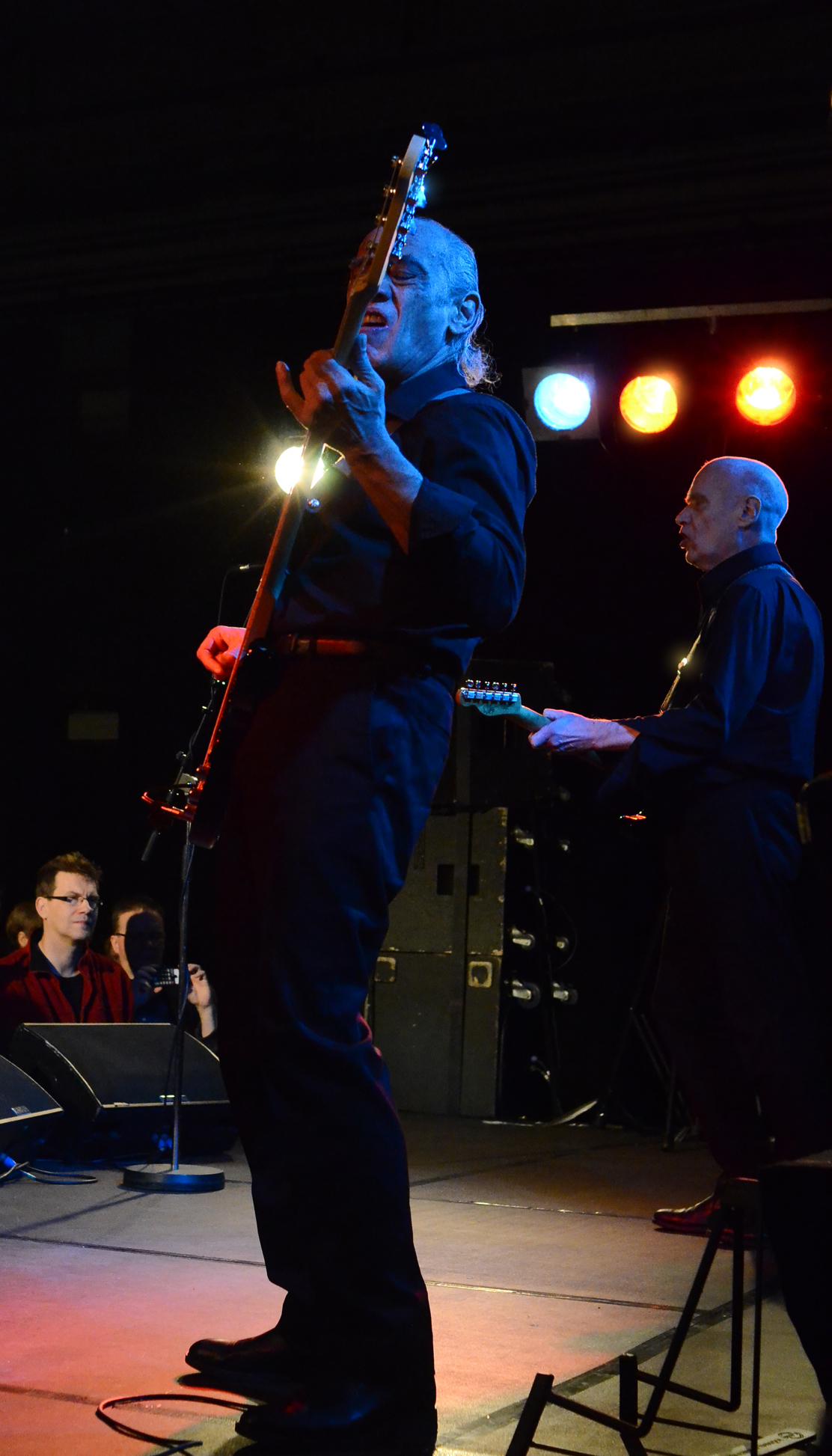
Arguments during the Sneakin’ Suspicion sessions ended it, and he split from the band in April 1977. Whether he left or was pushed is still disputed. Either way, his Dr Feelgood guitar parts had already reached the next generation.
Wilko Johnson guitar technique explained
Wilko Johnson guitar technique sounds busy, but he always said it was simple: “My guitar playing is very simple,” he said, quoted by Guitar World. “It can be explained in five minutes.” He told BBC Radio 4 in 2013, as the BBC later reported: “It’s a bit like riding a bike. It’s easy to do but difficult to describe.” Here it is in five parts.
1. The engine
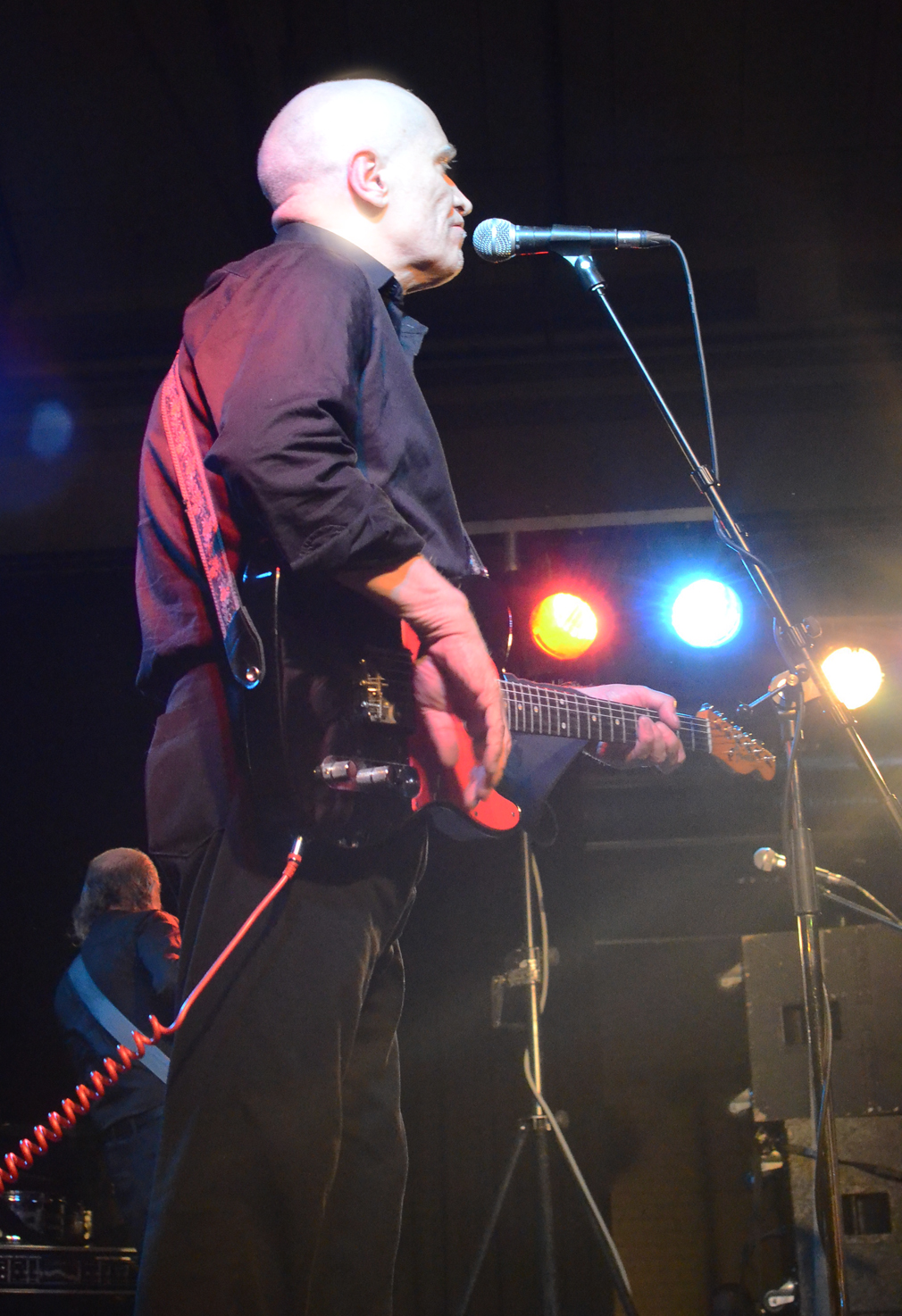
The strumming hand moves down and up on every eighth note, all the time, like a hi hat. The Guardian says he flicked his fingernails across the strings. In his videos the upstroke appears to come back with the thumb, though that is my reading.
2. The mute
Between chords the fretting fingers stay on the strings but stop pressing, so the strumming hand makes a dry, percussive chop. Gearnews points out that his chord shape makes this muting easy.
3. The stab
Squeeze the chord down for one stroke, then release straight away while the chop carries on. Far Out Magazine describes it the same way: pressure on and off the frets makes the chords short and sharp.
4. The thumb over shape
Instead of a full barre, he hooked his thumb over the neck to fret the bass note on the low E string, which also damps the A string, and played the top four strings with his fingers. Gearnews explains that this is the top of a barre chord: root, third, fifth and root. My guide on how to play barre chords covers the full E shape.
5. The fill
Between stabs he picked one or two single notes with his fingers while the strumming hand kept moving. A favourite move, Gearnews notes, is a hammer on from the minor third to the major third, as on Roxette. Those notes sit in the minor pentatonic box under the chord shape (see my post on the modes of the minor pentatonic scale).
Where it came from: Mick Green
Wilko never claimed to have invented this. In a 2010 Guardian blog, John Robb credits Mick Green with that simultaneous attack and says Wilko played Pirates records slowed to 33rpm to work out the parts. In the Radio 4 clip below, Wilko says his style is all deduced from Mick Green.
How to play like Wilko Johnson: step by step lesson with tab
This Wilko Johnson guitar lesson is a set of exercises in his style, not transcriptions. They add the five parts one at a time and finish on a 12 bar in A.
How to read the tab
The top line is the count in eighth notes. The second line is the strumming hand: D is down, U is up, and a lowercase u means the hand swings up but misses the strings. On the string lines, dots mean nothing is played, numbers are frets and x is a muted stroke (fingers resting, not pressing). “5h.6” means play fret 5, then hammer on to fret 6.
Start at about 60 to 70 bpm and only speed up when every bar is clean and relaxed. In my teaching, how long the chop takes to settle varies a lot from student to student.
The chord shapes
- A, thumb over: thumb on low E fret 5 (muting the A string), D string fret 7, G fret 6, B fret 5, high E fret 5.
- D, compact: A string fret 5, then D, G and B at fret 7, high E muted.
- E, compact: A string fret 7, then D, G and B at fret 9, high E muted.
- Bonus G: the A shape two frets lower, as he shows on video (the fret numbers are my reading of it).
Small hands or a thin neck? Skip the thumb, aim the strumming hand at the top four strings, and let the finger on the D string lean lightly against the A string to mute it.
Exercise 1: the engine (muted chug)
Rest your fingers across the top four strings without pressing and chop down and up for one minute without stopping.
  1  &  2  &  3  &  4  &
  D  U  D  U  D  U  D  U
e|x..x..x..x..x..x..x..x..|
B|x..x..x..x..x..x..x..x..|
G|x..x..x..x..x..x..x..x..|
D|x..x..x..x..x..x..x..x..|
Exercise 2: stabs on beats 1 and 3
Press the A shape for the first stroke of beats 1 and 3 only, then release. The right hand never changes.
  1  &  2  &  3  &  4  &
  D  U  D  U  D  U  D  U
e|5..x..x..x..5..x..x..x..|
B|5..x..x..x..5..x..x..x..|
G|6..x..x..x..6..x..x..x..|
D|7..x..x..x..7..x..x..x..|
A|x...........x...........|
E|5...........5...........|
Exercise 3: offbeat stabs on the upstroke
Now press on the “and” of beats 2 and 4. If the upstroke feels weak, let the thumbnail catch the strings.
  1  &  2  &  3  &  4  &
  D  U  D  U  D  U  D  U
e|x..x..x..5..x..x..x..5..|
B|x..x..x..5..x..x..x..5..|
G|x..x..x..6..x..x..x..6..|
D|x..x..x..7..x..x..x..7..|
A|.........x...........x..|
E|.........5...........5..|
Exercise 4: stab and fill
Two stabs, then the fill: G string fret 5 (C) hammered on to fret 6 (C sharp), the root A on the D string at fret 7, and G at fret 5 to lead on. Pick the single notes with a finger. On the “and” of 3 the hand swings but misses, so the hammer on speaks on its own.
  1  &  2  &  3  &  4  &
  D  U  D  U  D  u  D  U
e|5..x..5..x..............|
B|5..x..5..x..............|
G|6..x..6..x..5h.6........|
D|7..x..7..x........7..5..|
A|x.....x.................|
E|5.....5.................|
Exercise 5: D stabs and the turnaround fill
For D, barre the D, G and B strings at fret 7 with your ring finger and let it touch the high E lightly to mute it.
  1  &  2  &  3  &  4  &
  D  U  D  U  D  U  D  U
e|x..x..x..x..x..x..x..x..|
B|7..x..x..x..7..x..x..x..|
G|7..x..x..x..7..x..x..x..|
D|7..x..x..x..7..x..x..x..|
A|5...........5...........|
For the last bar: two E stabs, then E on the A string and G sharp on the D string, which pulls you back to A.
  1  &  2  &  3  &  4  &
  D  U  D  U  D  U  D  U
e|x..x..x..x.....x.....x..|
B|9..x..9..x.....x.....x..|
G|9..x..9..x.....x.....x..|
D|9..x..9..x.....x..6..x..|
A|7.....7.....7...........|
Exercise 6: a 12 bar in A
Use the stab pattern in normal bars, Exercise 4 in bars 4 and 8, and the turnaround in bar 12. If the form is new to you, start with my 12 bar blues guide.
| A       | A       | A       | A fill  |
| D       | D       | A       | A fill  |
| E       | D       | A       | E fill  |
Once it is steady, move the stabs around or make your own fill from the A minor pentatonic box at the fifth fret. The goal is a part that sounds like two guitars played on one.
Look after your strumming hand
No pick means the skin and nails take the wear; the Independent says his own fingers bled when he started. Keep sessions short, stop if the skin breaks, and see my guide to sore fingertips from guitar. To fit this into a wider plan, my guitar practice routine for rock and metal shows how to split your time.
Wilko Johnson’s Telecaster and gear
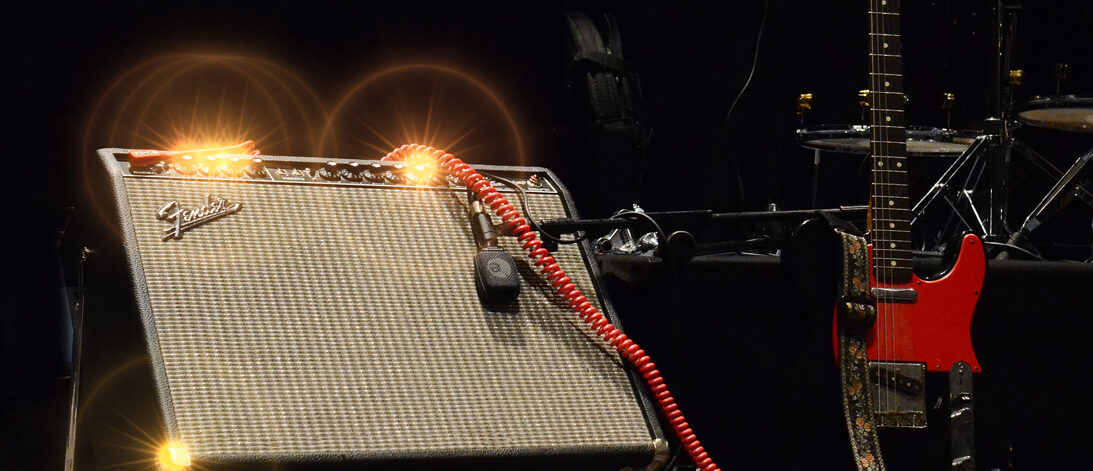
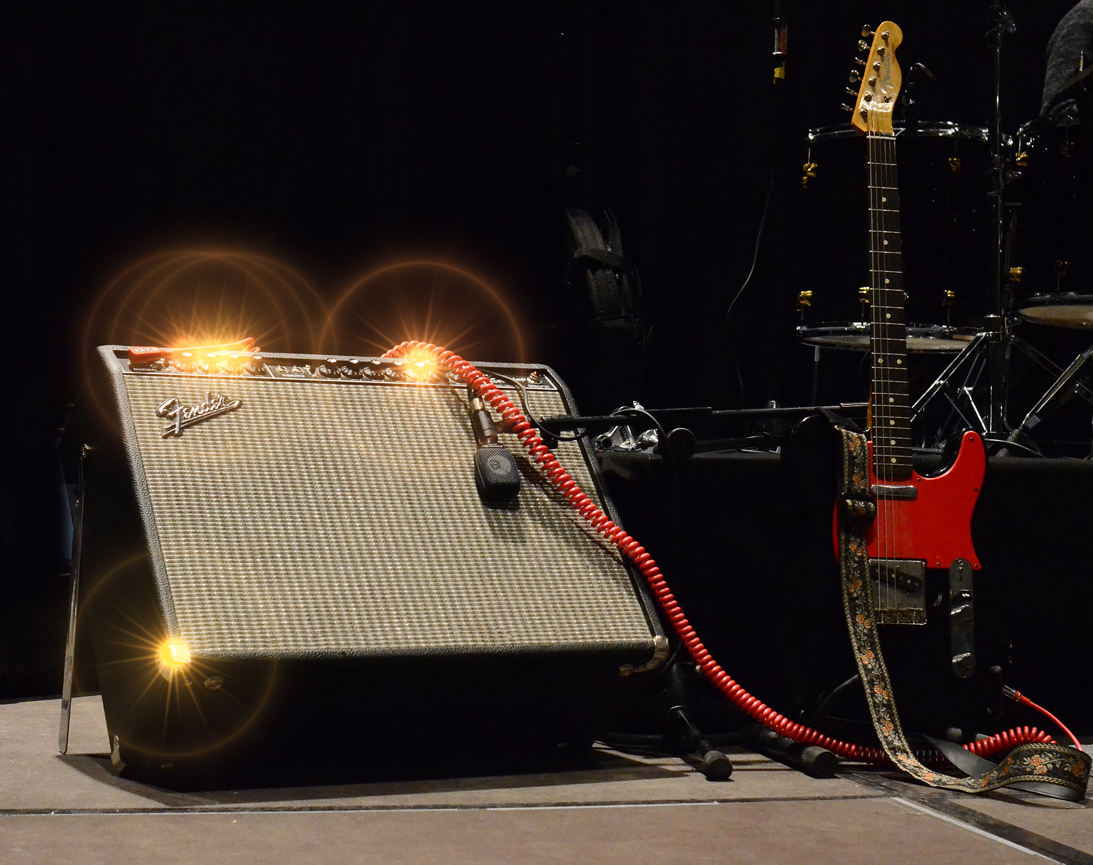
In a 2018 MusicRadar interview he says Mick Green made him want a Telecaster, and in 1965 he bought one from a music shop window in Southend. Later his roadie found him a 1962 model, which became the guitar he was known for. Guitar World says he had it resprayed black and said the red scratchplate idea came from a red and black shirt he wore at the time.
In 2013 Fender released a Wilko Johnson Telecaster based on it, with a 7.25 inch radius rosewood fingerboard and 21 frets, according to Guitar World. In 2018 he told MusicRadar it was his number one live guitar, His tour manager described the rig: no pedals, no tuner, straight into a Cornell amp with everything at 12 o’clock.
I found no reliable source for his 1970s amp settings or favourite pickup, so I will not guess. The style works on most guitars, but the bright snap of a Telecaster suits it; my Stratocaster vs Telecaster comparison explains why.
Free printable practice sheet (PDF)
The sheet puts Wilko Johnson guitar technique on one A4 page: the chord shapes, the lesson tab, the 12 bar chart and a tempo log to fill in after each session. The sheet turns Wilko Johnson guitar technique into short daily drills.
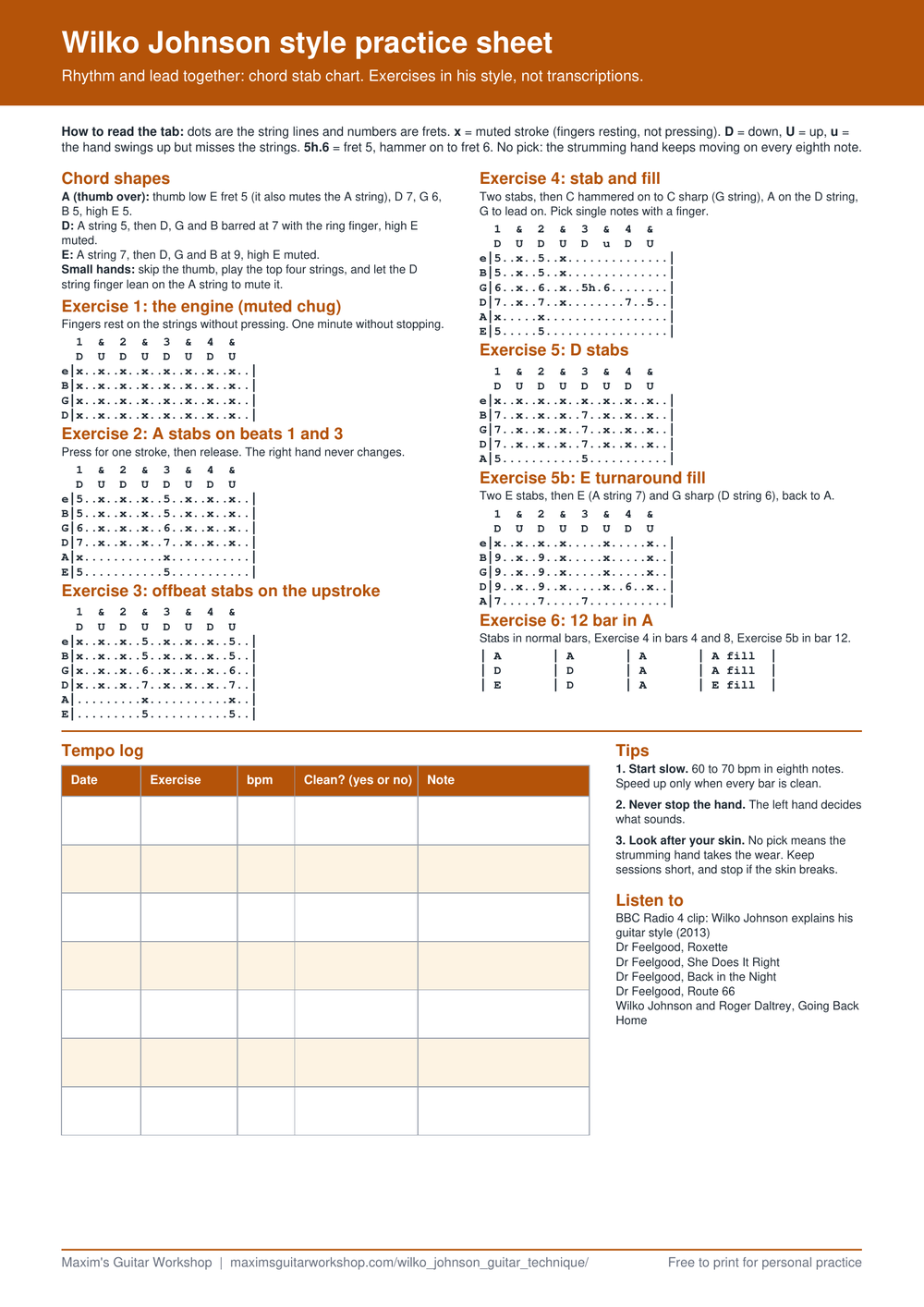
Download the free Wilko Johnson practice sheet (PDF)
Essential listening list
Start with this official BBC Radio 4 clip from Mastertapes, released in May 2013. He shows the right hand, the thumb over chord, the stabs and the licks. It is also on the BBC Radio 4 Mastertapes page.
A longer 2012 bookshop demonstration, uploaded by a fan, shows the same ideas up close. Then listen to:
- Dr Feelgood, Down by the Jetty (1975): Roxette and She Does It Right.
- Dr Feelgood, Malpractice (1975): Back in the Night.
- Dr Feelgood, Stupidity (1976): the live No 1, with Riot in Cell Block No 9.
- Dr Feelgood, Route 66: Gearnews says he plays it in A with the shape from the lesson.
- Wilko Johnson and Roger Daltrey, Going Back Home (2014): the title track was written by Wilko and Mick Green.
Legacy and influence
The Guardian notes that Malpractice influenced New York musicians such as Richard Hell, the Ramones and Blondie, and in the same MusicRadar interview Wilko remembers Joe Strummer running up to him on Oxford Street. Paul Weller told Uncut, as quoted by the BBC: “Wilko may not be as famous as some other guitarists, but he’s right up there.”
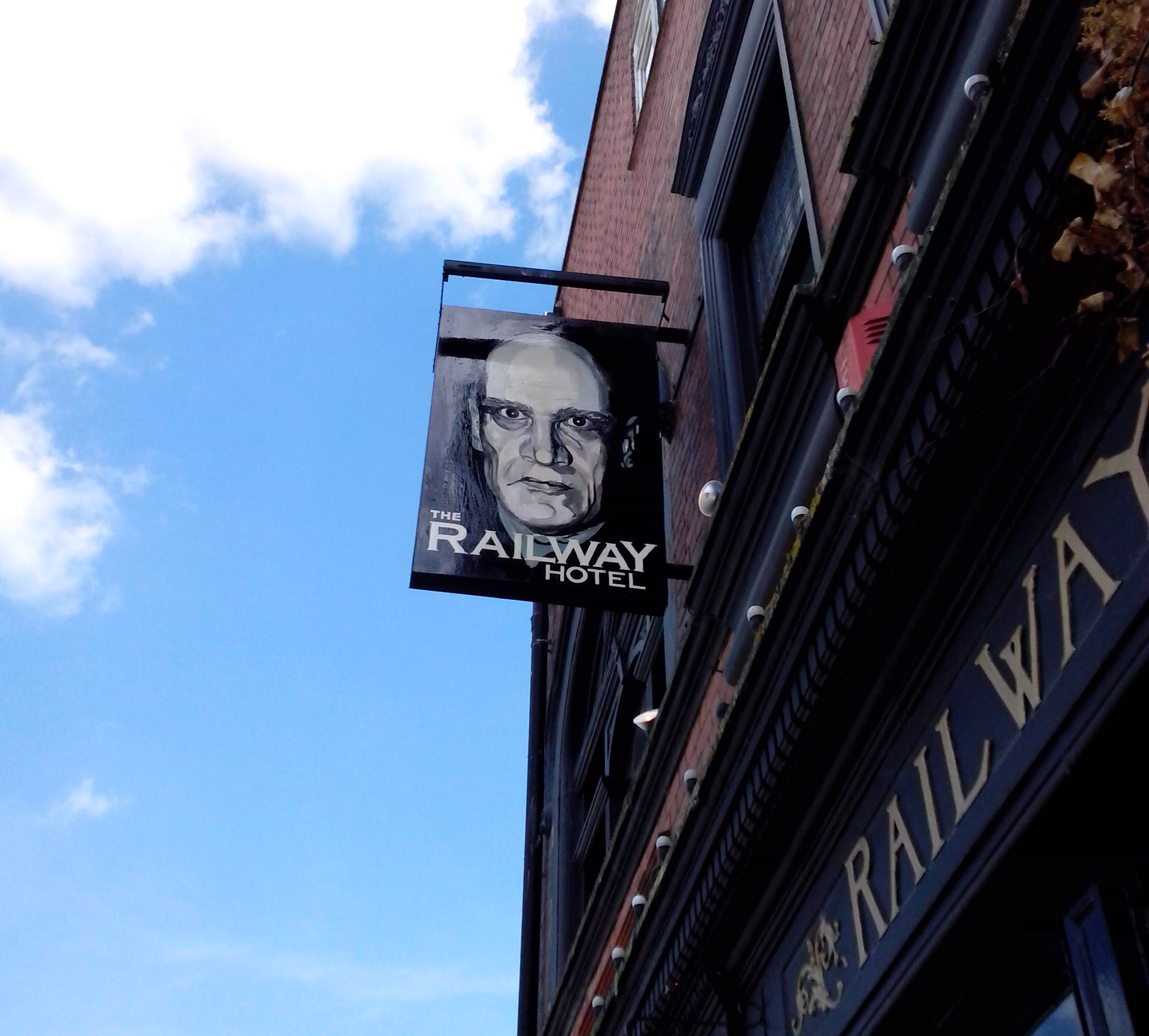
The Railway Hotel in Southend put his portrait on its pub sign in 2013, and in 2025 the train operator c2c named a train after him. For more rock techniques that grew from players like him, see rock guitar techniques today.
Wilko Johnson FAQ
Did Wilko Johnson use a pick?
No. He could not hold a plectrum after switching to right handed playing, so he flicked his fingernails across the strings.
What guitar did he play?
A 1962 Fender Telecaster resprayed black with a red scratchplate, and later the 2013 Fender signature model based on it.
Who influenced his style?
Mick Green of Johnny Kidd and the Pirates.
Is his style hard to learn?
The parts are simple. The hard part is keeping the strumming hand steady while the fretting hand stabs, mutes and adds fills. In my experience that takes regular slow practice over several weeks.
Was Wilko Johnson in Game of Thrones?
Yes, as the mute executioner Ser Ilyn Payne in the first two seasons.
When did Wilko Johnson die?
On 21 November 2022, at home, aged 75.
Final thoughts
Wilko Johnson guitar technique shows you do not need speed or fancy gear to sound like nobody else. A steady chop, a stab that lasts one stroke and a few well placed notes carried him for half a century. Get the engine running first, add one idea at a time, and log your tempos to see progress over weeks. Spend a few weeks with Wilko Johnson guitar technique and your rhythm playing will tighten up.
If you are newer to the guitar and want a structured path to playing tunes like these, my online beginner course starts from the very first chord.