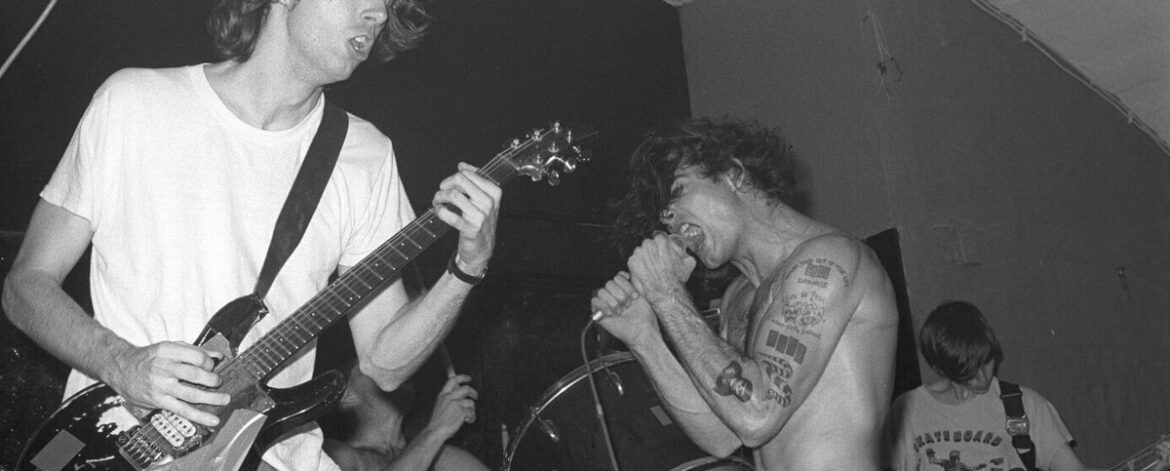
Greg Ginn guitar style is one of the most unusual sounds in punk. As the founder and guitarist of Black Flag, he combined relentless downpicked riffs with wild, chromatic solos that owed more to free jazz than to rock and roll. This post covers his story, how his playing worked, his famous see through guitar, six original exercises in his style, a six week endurance plan and a free printable practice sheet.
Quick answer: what is Greg Ginn guitar style? Two things at once: tight, fast downpicked power chord riffs, and noisy, unpredictable solos built from chromatic crawls, outside bends and clusters of notes that clash on purpose. He played loud through an amp with no pedals. To learn it, build downpicking stamina first, then practise letting go of “correct” notes in your solos while keeping strict time.
Who is Greg Ginn?
Gregory Regis Ginn was born in Tucson, Arizona, on 8 June 1954 and grew up in Hermosa Beach, California. As a teenager he ran a small mail order electronics business selling radio equipment. He called it SST, and it later became one of the most important independent record labels in America.
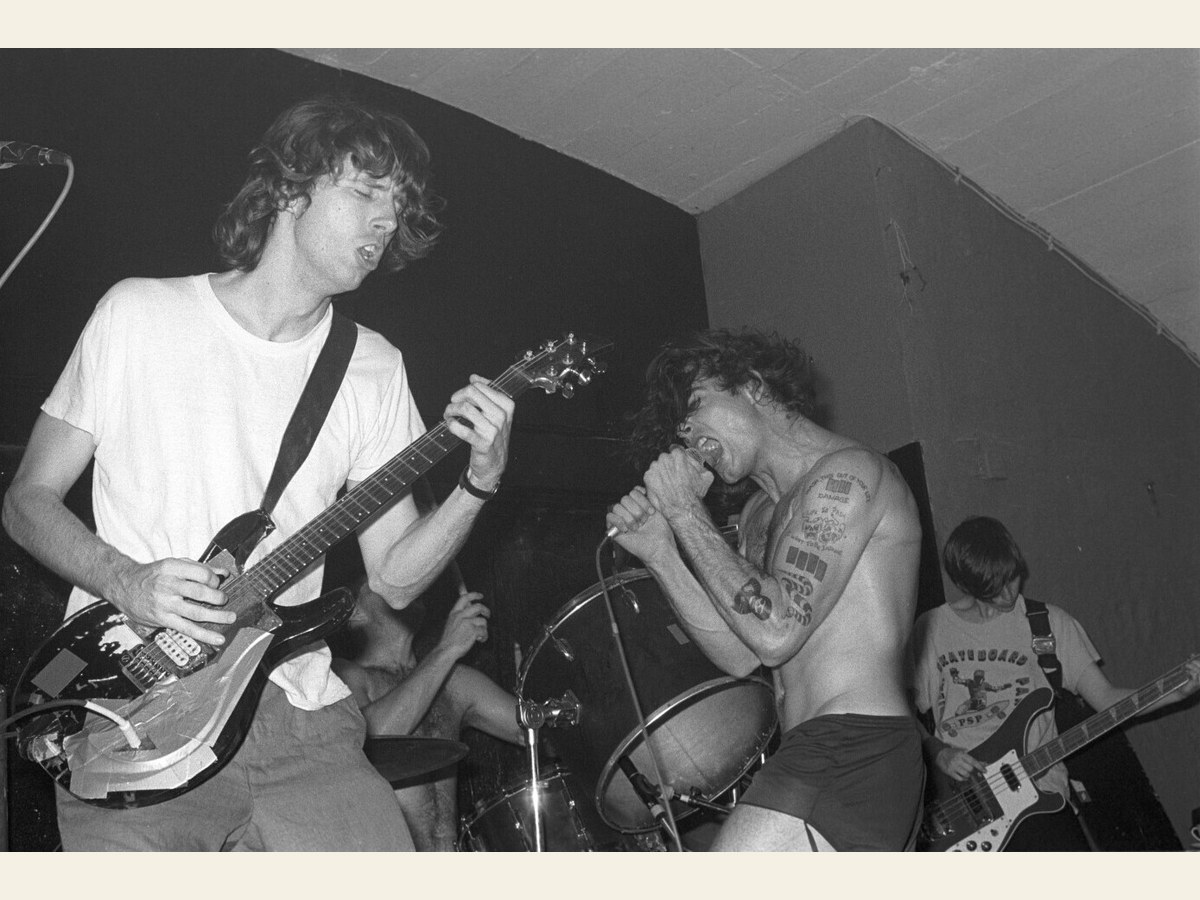
He formed Black Flag in 1976 and led the band until it split in 1986. Singers came and went, including Keith Morris, Ron Reyes, Dez Cadena and, from 1981, Henry Rollins, but Ginn was the constant. He wrote most of the music, ran the label that released it and pushed the band to tour relentlessly.
As the black flag guitarist he was also unusually productive. Key records include the Nervous Breakdown EP (1979), the album Damaged (1981), My War (1984), Slip It In (1984), Loose Nut (1985) and In My Head (1985). On some of these he also played bass under the alias Dale Nixon.
Rolling Stone placed him 99th on its 2011 list of the 100 greatest guitarists. Buzz Osborne of the Melvins has said that Kurt Cobain was a big fan of Ginn’s playing, and many later punk, hardcore and grunge guitarists name him as an influence.
Greg Ginn guitar style explained
The rhythm side is simple to describe and hard to do: fast power chord riffs played with all down strokes, tight and loud, often for whole songs. Punk downpicking like this gives every note the same attack, and it builds a wall of sound. It also tests your stamina, which is why this post includes an endurance plan.
The lead side is where he stands apart. Ginn has said he listened more to jazz horn players and pianists than to rock guitarists, and his solos reflect that. Instead of neat pentatonic licks, Greg Ginn solos use chromatic crawls, bends that land on “wrong” notes, rapid trills and clusters of notes a fret apart. They move in and out of the key, often with no obvious scale at all.
That sound is close to what music theory calls atonal: music without a clear home key. My posts on the difference between tonal and atonal music and consonant vs dissonant intervals explain why these sounds feel tense and exciting.
The key thing is that the chaos is controlled. Greg Ginn guitar style keeps strict time even when the notes are wild. The noise always lands back on the riff, and the band never loses the beat. The Guitar.com piece on the genius of Damaged is a great introduction to how this worked on record.
Gear: the see through guitar
His best known instrument was an Ampeg Dan Armstrong, the guitar with a clear Lucite body. It was stolen from the band’s van in 1986. He played it loud through his amp with no effects pedals, so his tone came from the guitar, the amp and his hands. Searches for greg ginn dan armstrong often lead to the same question: do you need one? No. Any solid body guitar and a loud, fairly clean amp will get you close.
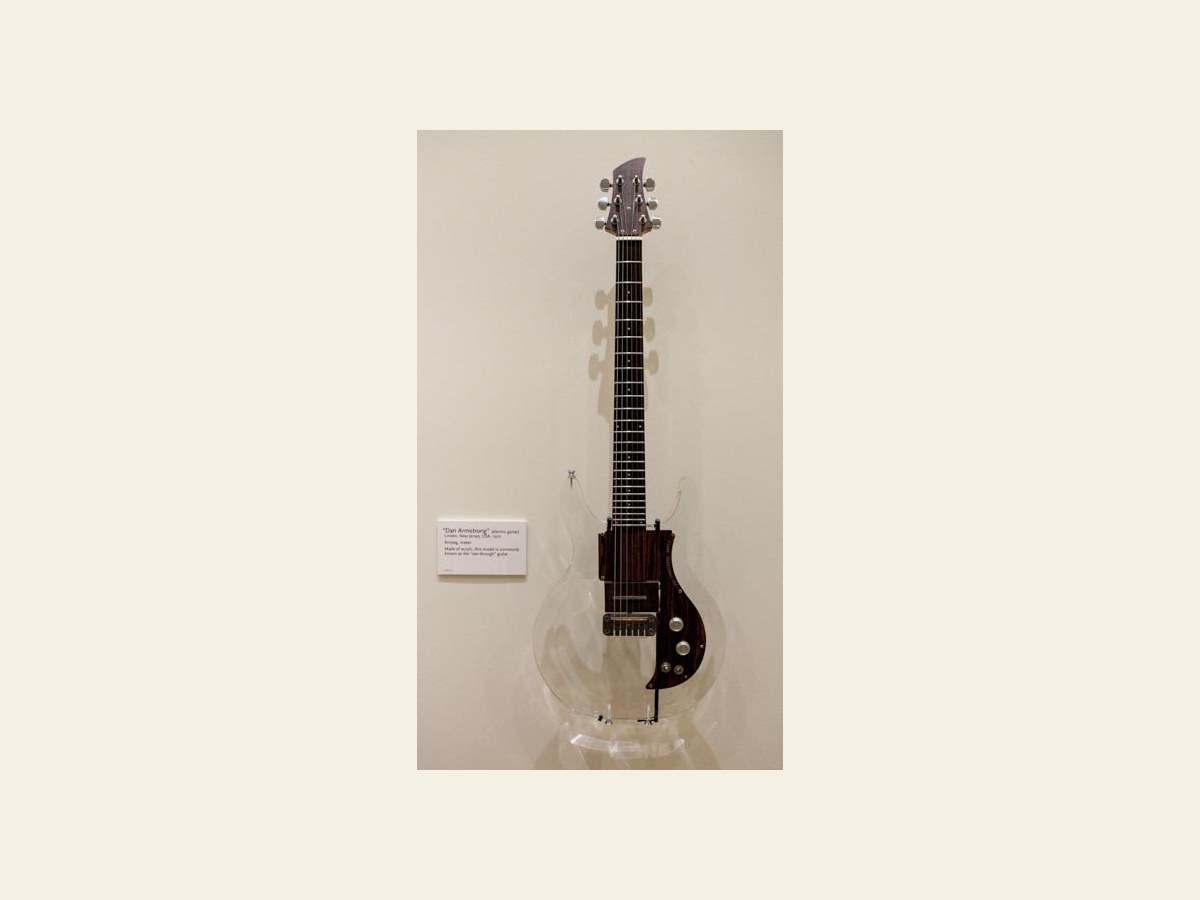
Because there are no pedals, volume and pick attack do the work. If you play through a valve amp, my guide to understanding tube amps explains how turning up changes the tone.
Exercise 1: E5 downpicks
Play an E5 power chord in eighth notes with all down strokes. In the second bar, palm mute lightly. Keep the pick movement short and stay relaxed: punk downpicking is about rhythm, not force.
      1   &   2   &   3   &   4   &      1   &   2   &   3   &   4   &
D  |..2...2...2...2...2...2...2...2...|..2...2...2...2...2...2...2...2...|
A  |..2...2...2...2...2...2...2...2...|..2...2...2...2...2...2...2...2...|
E  |..0...0...0...0...0...0...0...0...|..0...0...0...0...0...0...0...0...|
      all down strokes                   PM
Exercise 2: four chord riff
This original riff moves through E5, G5, A5 and C5, all with down strokes. Changing shape without losing the eighth note pulse is the main challenge. If the change makes you late, practise just the change slowly.
      1   &   2   &   3   &   4   &      1   &   2   &   3   &   4   &
D  |..................................|..................5...5...5...5...|
A  |..2...2...2...2...5...5...5...5...|..7...7...7...7...3...3...3...3...|
E  |..0...0...0...0...3...3...3...3...|..5...5...5...5...................|
      E5              G5                 A5              C5
Exercise 3: chromatic crawl
Now the lead side. Climb the G string from fret 5 to 8 one fret at a time, then crawl down the B string from fret 8 to 5. It sounds strange on purpose. Play it with alternate picking and keep it perfectly in time.
      1   &   2   &   3   &   4   &      1   &   2   &   3   &   4   &
e  |..................................|..................................|
B  |..................8...7...6...5...|..................8...7...6...5...|
G  |..5...6...7...8...................|..5...6...7...8...................|
      up the G        down the B
If you want more of this kind of finger and pick coordination, my easiest chromatic guitar exercise builds it step by step.
Exercise 4: outside bends
Bend the B string at fret 8 up a half step (one fret), release it, then fall down to fret 5. The bend lands on a note outside the usual scale, which gives that sour, crying sound heard in many Greg Ginn solos. In the second bar the fall goes one fret at a time.
      1   &   2   &   3   &   4   &      1   &   2   &   3   &   4   &
e  |..................................|..................................|
B  |..8b......8r..7...5...............|..8b......8r..7...6...5...........|
G  |..................................|..................................|
      half step bend                                         land
Exercise 5: cluster trill and stop
Trill rapidly between frets 5 and 6 on the high E string with hammer ons and pull offs, then stop dead on beat one of the next bar. The stop is as important as the trill: it shows the listener that the chaos was in control all along.
      1   &   2   &   3   &   4   &      1   &   2   &   3   &   4   &
e  |..5...h6..p5..h6..p5..h6..p5..h6..|..5...............................|
B  |..................................|..................................|
G  |..................................|..................................|
      trill                              stop dead
Exercise 6: riff, noise, riff
This is the shape of many Black Flag solos in miniature. Play one bar of riff, then one bar of noise: bends, crawls, muted scratches (x) and clusters, any notes you like, but in time. Then play bar one again. Repeat for a few minutes and change the noise bar every time.
      1   &   2   &   3   &   4   &      1   &   2   &   3   &   4   &
e  |..................................|..8b..................5h6.........|
B  |..................................|......9...................7.......|
G  |..................................|..........7x..7x..............8...|
D  |..2...2...........2...2...........|..................9x..............|
A  |..2...2...5...5...2...2...3...3...|..................................|
E  |..0...0...3...3...0...0...1...1...|..................................|
                                         noise: any notes, keep time
This is the most important exercise for learning how to play like Greg Ginn. The aim is freedom inside strict time. If you lose the beat in the noise bar, simplify it until you can land the riff exactly on beat one.
Six week downpicking endurance plan
Fast downpicking for a whole song takes stamina. This plan builds it safely using Exercise 1 or 2:
- Week 1: four rounds of 60 seconds at 140 bpm (eighth notes), with a minute of rest between rounds.
- Weeks 2 to 6: each week, add either 5 bpm or 15 seconds per round, not both.
- Stop if your forearm burns or your wrist hurts, and repeat the previous week.
- Log your tempo and round length on the practice sheet.
Warm up first, and read my guide to guitar injuries and how to prevent them before you push hard. For a full weekly structure, see my guitar practice routine for rock and metal.
Common mistakes
The first mistake is tensing up to play faster. Downpicking speed comes from a relaxed wrist and a small motion. If your shoulder lifts or your forearm locks, slow down and shake it out.
The second is thinking that noise means anything goes. Greg Ginn guitar style sounds wild, but the timing is strict and the solos have a shape: they build, they clash and they resolve back to the riff. Record yourself and check that every noise bar ends on time.
The third is skipping the rhythm work. Greg Ginn guitar style is half riff and half solo, and the riffs are what hold the songs together. Spend at least half of each session on Exercises 1 and 2.
Putting it together
Once the six exercises feel comfortable, write a short original song in Greg Ginn guitar style: a downpicked four chord riff for the verse, a different riff for the chorus and an eight bar noise solo that ends exactly on the riff. Keep it under two minutes, like many early Black Flag songs. Record it, listen back and check two things: is the riff tight, and does the solo surprise you?
That balance of discipline and surprise is the heart of Greg Ginn guitar style, and it will improve your playing in any genre.
Download the practice sheet
The free sheet has all six exercises, the six week endurance plan, a log for your tempo and round length and a short listening list on one A4 page.
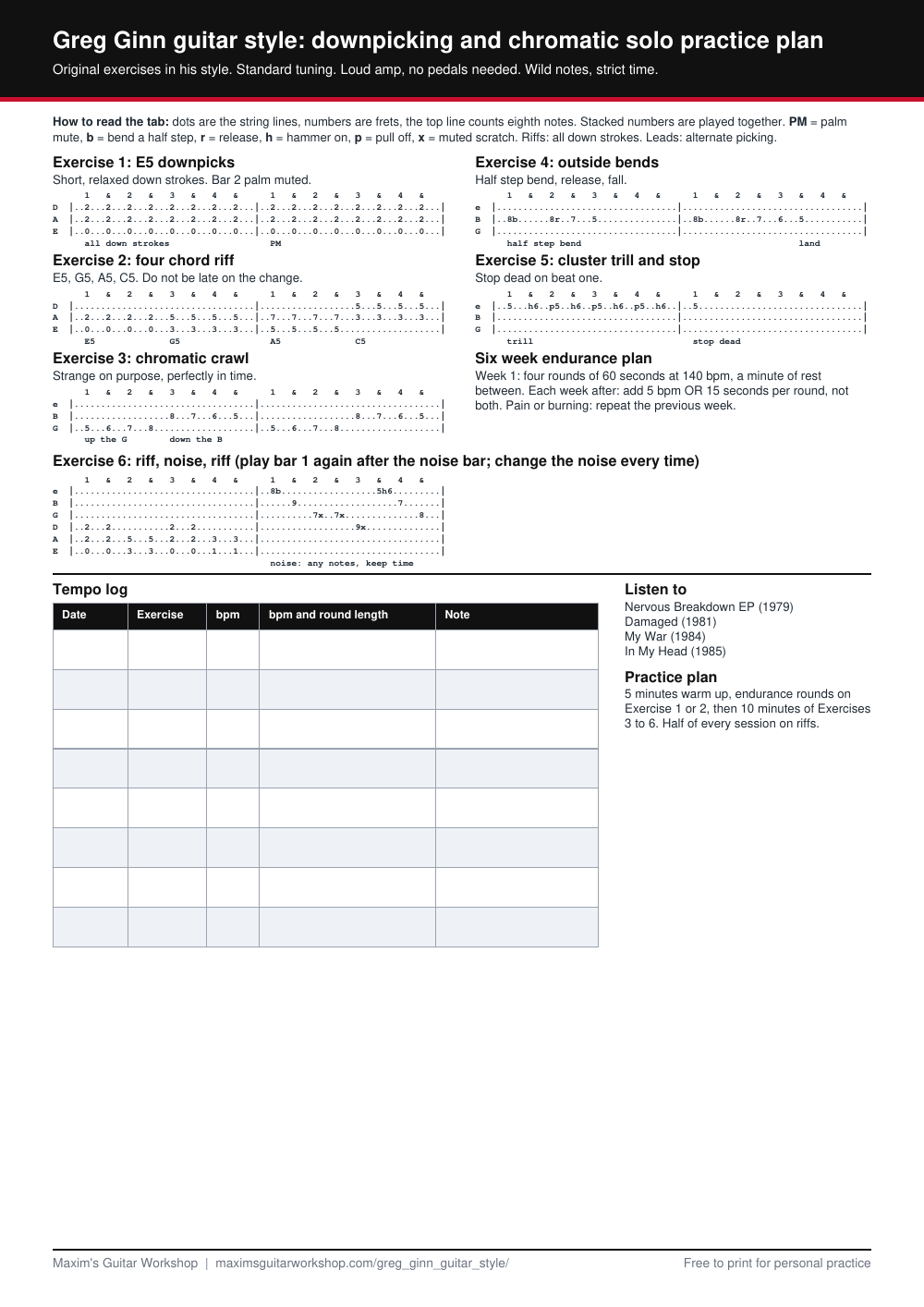
Download the free Greg Ginn practice plan (PDF)
Essential listening
- Nervous Breakdown EP (1979): the early, raw sound.
- Damaged (1981): the classic Black Flag album.
- My War (1984): slower, heavier and very influential.
- Slip It In (1984) and Loose Nut (1985).
- In My Head (1985): some of his most adventurous playing.
Greg Ginn FAQ
What guitar did Greg Ginn play?
He was best known for an Ampeg Dan Armstrong with a clear Lucite body. It was stolen from the band’s van in 1986.
Did Greg Ginn use pedals?
He was known for playing loud straight into the amp with no pedals.
Who was Dale Nixon?
Dale Nixon was the alias Greg Ginn used when he played bass on Black Flag recordings.
Why do his solos sound so strange?
He drew more on jazz horn players and pianists than on rock guitar, so his solos use chromatic and atonal ideas rather than standard scales.
Do I need to downpick everything to play punk?
No, but downpicking gives the even, driving attack heard on many punk records, so it is well worth building the stamina.
Greg Ginn’s legacy
Through Black Flag and SST, he helped build the independent touring and record label network that later punk, hardcore and alternative bands relied on. As a guitarist he showed that punk solos did not have to be simple. If you like raw, aggressive rhythm guitar, my lesson on Wilko Johnson guitar technique is a great companion, and for something heavier see Chuck Schuldiner riffs. To hear how it all fits into the bigger picture, read about the roots of modern popular music.
For guitarists today, Greg Ginn guitar style is a lesson in courage: build the discipline to keep perfect time, then use it to take risks.
If you are just starting out, my online beginner course covers the power chords and picking basics behind every exercise here.