If you play guitar but don’t sing, you’ve probably heard that the money is all in fronting a band. It isn’t. This guide shows how to make money as a guitarist in Australia by stacking three streams: live gigs, in person lessons and studio work. We’ll use real rates and a sample model that adds up to around $100,000 a year before tax. Treat it as an example model, not a promise. Your city, network and skill level will shape your own numbers.
Here’s the honest summary. For most non singing players, a six figure guitarist income is reachable with a portfolio career, and teaching is usually the backbone, often half or more of the total. Gigs sit on top of that. Royalties, streaming and content are small top ups in the early years. Performance alone rarely gets a sideman to $100K, apart from cruise contracts or a full time theatre run, and both of those come and go.
At a glance
- Stream 1, live gigs: pubs, clubs, weddings, corporate work and theatre calls.
- Stream 2, in person lessons: 30 to 45 half hour lessons a week, usually the backbone.
- Stream 3, composition and studio work: remote sessions, royalties, sync and content.
- Target: about $100,000 a year gross, before expenses and tax.
What Does a Guitarist Salary in Australia Actually Look Like?
There’s no single “guitarist salary Australia” figure, because almost nobody is on a salary. Most working guitarists are sole traders who invoice for every gig, lesson and session. Income comes from lots of small payments, so the real skill is building a weekly schedule that fills reliably.
How to Make Money as a Guitarist: The Three Core Streams
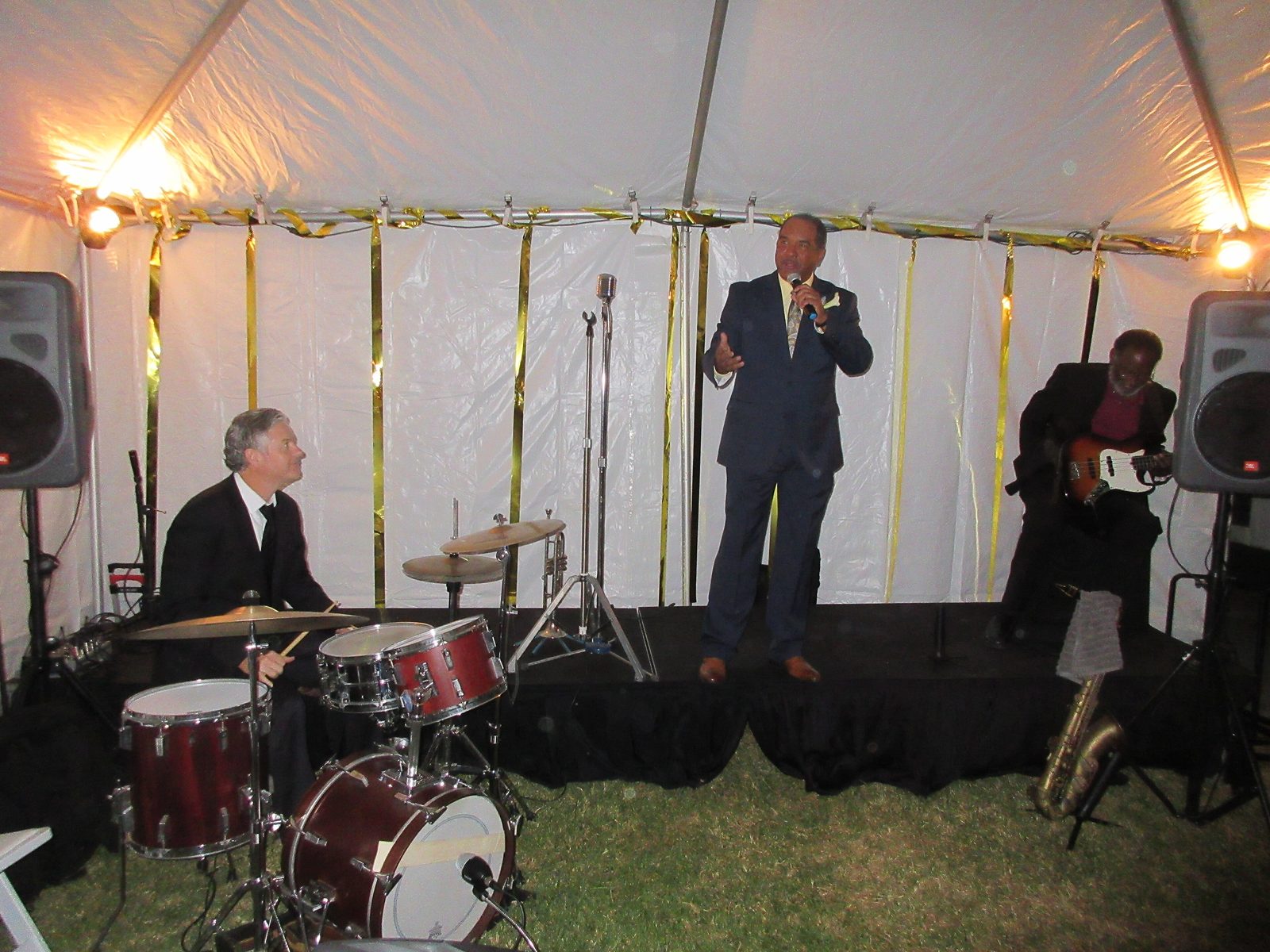
The model rests on three streams: live gigs, in person 30 minute lessons, and composition and studio work. Each section below gives you realistic rates, a sensible volume and a couple of practical tips, followed by some extra streams many players overlook.
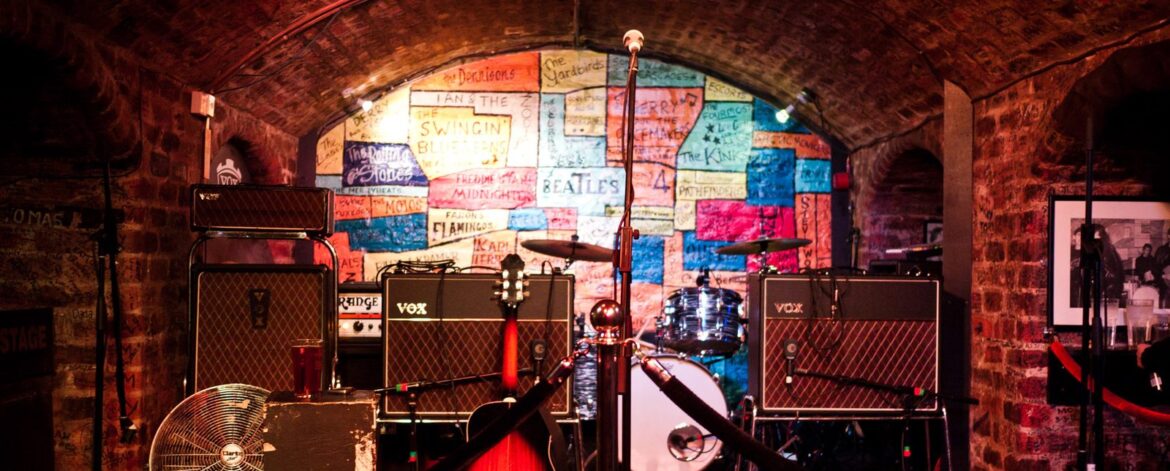
Stream 1: Live Gigs

How much do guitarists earn per gig?
Start with the benchmarks. Musicians Australia (part of MEAA) sets a $250 minimum fee for gigs of three hours or less. Several state governments (SA, QLD, WA, VIC and the ACT) endorse it for publicly funded gigs. It’s a floor, not a ceiling, and sadly not universal: an MEAA survey found 44% of more than 300 musicians reported earning under $250 per gig.
If you’re employed rather than contracting, the Live Performance Award applies. The official Fair Work pay guide (effective 1 July 2026) sets the casual musician rate at $66.83 an hour, which is $200.49 for a three hour call. Musicians accompanying artists get $70.35 an hour and principal musicians $78.48, with Sunday and public holiday calls at $120.29 an hour for a musician. Most gigging guitarists invoice as contractors, so the award is a reference point rather than an entitlement.
Here’s how the market roughly breaks down:
- Pub and club covers: about $200 to $350 per player for a three to four hour gig is a fair working range. It’s anchored by the $250 MEAA figure, though there’s no recent job board data to pin it down precisely.
- Weddings and corporate functions: whole bands commonly charge $1,500 to $3,000 for a three or four piece, and $2,800 to $5,000 for bigger bands. A hired sideman’s share often seems to land somewhere around $300 to $500 per wedding, but that varies a lot, so ask bandleaders in your area what they pay.
- Theatre and musicals: pit musicians employed for the run of a show are paid by the call under the Live Performance Award. The current pay guide lists a musician on these engagements at $53.46 an hour, or $56.28 when accompanying artists. This work is seasonal and mostly in the bigger cities.
- Deps and hired gun calls: rates are negotiated and rarely published. An old WA rate sheet from 2007 had session players at $100 an hour with a $300 minimum, which gives a rough historical idea only.
How many gigs a month is realistic?
About 8 to 12 paid gigs a month is a busy local player. Weekends cap it: there are only eight or nine Friday and Saturday nights in a month, so midweek residencies, Sunday sessions and corporate lunches help fill the gaps. Wedding season is typically busiest from October to April in the southern states, while northern Australia has its own rhythm with the dry season.
Remember the hidden costs too: gear upkeep, strings, public liability insurance (many venues ask for it), fuel and parking, unpaid rehearsals and agency commissions, which are often 10 to 20%.
Gig tips
- Become the easy dep. Learn to read charts, play to a click and run backing tracks. Function bands and pits hire the players who show up prepared and never derail the night. Studying the discipline of players like Paul Gilbert and the feel of Slash makes you versatile enough to cover rock, pop and function sets.
- Put it in writing. Quote the $250 MEAA minimum as your floor, and confirm the fee, cancellation terms and payment date in a short email or invoice before the gig.
- Dial in a reliable rig. A setup that sounds right and survives a hot outdoor stage matters. Our post on famous guitarists and their string gauges is a good starting point for choosing strings that hold up night after night.
Stream 2: In Person Lessons

Guitar teacher income: rates and load
For most players, teaching is how to make money as a guitarist with real stability. A 30 minute private lesson in Australia typically sits between $30 and $70, with many teachers charging around $45 to $55 (both are aggregator estimates). In Sydney, $45 to $65 is common. State music teacher associations recommend roughly $44 (QLD) to $55 (NSW and WA) per 30 minutes.
If you teach for a music school or as a school tutor instead, you’ll usually earn an hourly rate. Job ads suggest something like $28 to $42 an hour plus super for Sydney music schools, and about $42 to $52 an hour for some Queensland school tutor roles. Job ads change constantly, so treat those as a rough guide. Our model assumes you teach from your own or a home studio and keep the full fee.
Volume: 30 to 45 half hour lessons a week (about 15 to 22 contact hours) is a sustainable load for one teacher. Most of it happens after school from 3 to 7 pm, plus Saturdays. Many experienced teachers find that going past about 50 a week leads to burnout, and the after school window simply runs out.
Weeks: four school terms of about 10 weeks give you roughly 38 to 40 billable weeks a year. Holidays are when income dips, so plan for them.
Teaching tips
- Bill by the term, upfront. A written cancellation and make up policy is the single biggest lever on income stability. It turns a missed lesson from lost income into a scheduling question.
- Fill the peak, then the edges. Put kids in the 3 to 6 pm slots and move adults and online students into daytime and holiday slots.
- Teach practice, not just songs. Students who practise well stay longer. Our post on how much practice famous guitar players did is a great one to share with students who wonder why progress takes time.
Teaching is usually the backbone of a six figure guitarist income. Gigs sit on top of it.
Stream 3: Composition and Studio Work

This is the stream people dream about, so let’s be honest about it. For most guitarists it’s secondary or slow building income in the first few years, not the main event. It still matters, because it compounds.
Session guitarist income
Remote session work is the most direct earner here. Australian players on SoundBetter commonly list around USD 50 to 100 or more per song, with prices set by each musician. In person session and dep calls are negotiated case by case. Our model uses a modest $150 per remote track. If you’re new to it, our tips on how to prepare for a recording session will help you deliver clean, usable takes first time.
APRA AMCOS royalties
If you write and perform your own music, join APRA AMCOS. Live performance reports pay roughly “a couple of dollars or so” per song per performance, and only for your own original works. APRA’s own FY25 review called the $6.9M live pool “sobering”. It’s small money, but it’s free money.
Streaming and sync
Spotify doesn’t publish a per stream rate. It did report paying AUD 330M to Australian rightsholders in 2025, with more than 370 Australian artists earning over $100K on the platform. Industry estimates often float around USD 0.003 to 0.005 per stream, which means instrumental guitar music needs millions of plays to earn meaningful money.
Sync (TV, ads and games) has no standard rate. Fees can run from hundreds of dollars for small indie uses to tens of thousands for national TV ads. Placements are lumpy and unpredictable. Production music libraries are a long tail catalogue play, and APRA has a rate calculator if you want to see how licences are priced.
Social media and YouTube
Marketing sites suggest a music or education channel earns roughly USD 1.50 to 5 per 1,000 views. Even a million views a year might bring in only a few thousand dollars. Sponsorships and fan memberships usually outearn ads, but they need a loyal audience first.
Studio tips
- Register every original and submit set lists after each gig where you play them. It takes ten minutes.
- Treat content as marketing for lessons first. A short clip that brings in two new students a term is worth far more than its ad revenue.
Streams You Might Be Missing
- Online lessons. Same rate card as in person, but you can reach students anywhere in Australia and fill daytime or holiday gaps. See our online lessons and online course pages for how we run them.
- Group classes and holiday workshops. These give a higher hourly yield. Sydney group classes are quoted at $30 to $50 per person per hour. A small group of six can out earn a private lesson hour easily.
- Cruise contracts. Agency sites suggest showband guitarists start around USD 2,200 to 2,600 a month, with solo players higher, plus cabin and meals. Contracts run about six months and agencies may take 10 to 20%. Two contracts could come to very roughly AUD 40K to 60K a year with low living costs, depending on the exchange rate. Tax residency gets complicated, so get advice. See also ProShip’s FAQ.
- Grants as project funding. Creative Australia’s Arts Projects for Individuals and Groups offers $10K to $50K, and the Contemporary Music Touring Program offers $5K to $50K. State arts bodies run their own programs too. Grants fund projects and costs like recording an album, not your rent, so never count them as income.
A Sample Annual Model for a Six Figure Guitarist
Here’s how the streams might stack up. Both versions are gross, before expenses and tax, and they assume you teach from your own studio and have a network that sends you function work.
| Stream | Conservative | Stretch |
|---|---|---|
| Private lessons | 30 a week x $45 x 40 weeks = $54,000 | 40 a week x $50 x 40 weeks = $80,000 |
| Online lessons | 4 a week x $45 x 40 weeks = $7,200 | Included below |
| Weddings and corporate (sideman) | 5 a month x $350 x 12 = $21,000 | 6 a month x $400 x 12 = $28,800 |
| Pub and club covers | 4 a month x $250 x 12 = $12,000 | 4 a month x $300 x 12 = $14,400 |
| Deps, theatre and session calls | 10 x $300 = $3,000 | Included below |
| Remote session tracks | 25 x $150 = $3,750 | Included below |
| Session, online lessons and workshops | $10,000 | |
| APRA, streaming and content | About $1,000 | $5,000 (incl. courses and sponsorship) |
| Total (gross) | About $101,950 | About $138,200 |
Notice what carries the load: teaching provides more than half of the conservative total. The function and pub rates are realistic estimates rather than guaranteed figures, so swap in what’s actually paid where you live. Demand in smaller cities may be lower and more seasonal than on the east coast.
$100K gross is not $100K profit. Budget 15 to 25% for expenses.
Expenses, ABN, GST and Super
Expenses. Budget roughly 15 to 25% of gross for gear, studio rent, insurance, vehicle costs, software, marketing, agency fees and Working With Children Check renewals. $100K gross is not $100K profit.
ABN. As a sole trader invoicing for gigs and lessons, you’ll need an ABN.
GST. Registration is required once your turnover reaches $75,000. The conservative model above crosses that line, so it’s worth planning for early. Private music tuition generally isn’t GST free, so check how it applies to you.
Super. Contractors don’t have compulsory super paid on their own income, so plan voluntary contributions. Award engagements or employee style gigs may attract the super guarantee.
None of this is tax advice. Please ask an accountant who understands creative businesses.
Useful Resources
- Fair Work pay guides: Official pay guides for every award, including the Live Performance Award.
- Live Performance Award (MA000081): The full award text covering musicians, calls, allowances and penalty rates.
- Musicians Australia minimum fee: How the $250 minimum fee for gigs of three hours or less works.
- APRA AMCOS: why join: Sign up to collect royalties when your original music is performed, broadcast or streamed.
- Creative Australia grants and opportunities: Current grants for projects, touring and professional development.
- Music Australia: The national body within Creative Australia that supports contemporary music.
- ATO: registering for GST: When you must register for GST and how the $75,000 threshold is worked out.
- Applying for an ABN: The official Australian Business Register page for getting your ABN.
- Support Act: The music industry charity offering crisis relief and a free wellbeing helpline on 1800 959 500.
- SoundBetter: A marketplace where session guitarists can list services and win remote recording work.
- Music Teachers’ Association of NSW: A professional body offering accreditation, referrals and development for music teachers.
FAQ
Can a guitarist earn $100K in Australia without singing?
Yes, it’s possible, but usually through a mix of streams. In most realistic models, teaching provides half or more of the income and gigs and studio work fill the rest.
What’s the minimum I should charge for a gig?
Musicians Australia’s $250 minimum for gigs of three hours or less is a sensible floor. Put your fee and terms in writing every time.
How many students do I need for a full time teaching income?
Around 30 to 45 half hour lessons a week is sustainable for one teacher. At $45 a lesson over 40 weeks, 30 students a week comes to $54,000.
Is streaming or YouTube a good way to make money as a guitarist?
Not on its own, at least not early on. Treat it as a slow building top up and a marketing tool for your lessons and gigs.
Ready to Build Your Skills?
Every stream above gets easier when your playing, reading and reliability are rock solid. If you’d like a teacher to help you get there, have a look at our tuition options.