
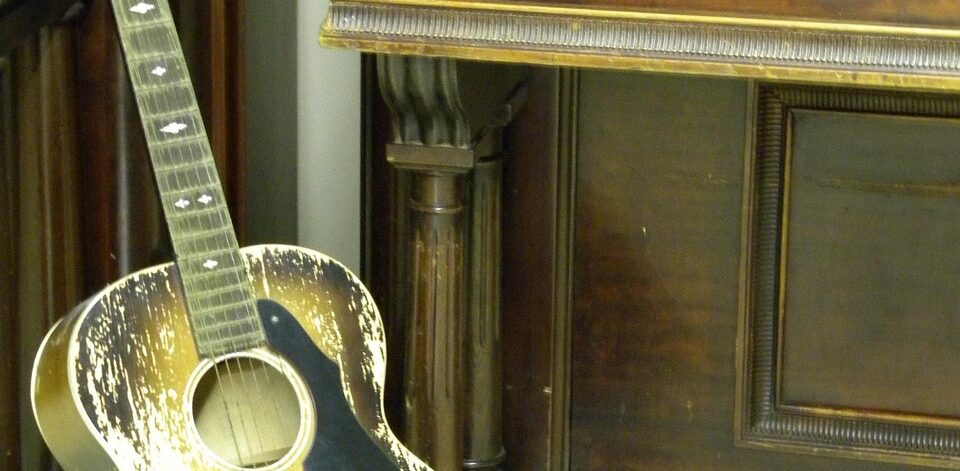
Parents, adult beginners, and switchers ask guitar teachers a blunt question almost every week. Is guitar harder than piano, or is piano harder than guitar?
The honest answer is that the question is too small. Difficulty is not one number. It depends what you mean by hard, which style you want, and which early milestone you care about. Piano is often harder for independent polyphony and traditional reading. Guitar is often harder for intonation, left hand strength, and clean early chords. At elite classical and advanced jazz or metal levels, both demand years of specialised craft. The ceilings differ in kind more than in absolute height.
This guide is a fair comparison for Maxim’s Guitar Workshop students and for anyone still choosing an instrument. It separates peer reviewed motor and pedagogy research from studio opinion, and it keeps classical tracks distinct from pop folk hobbyist tracks. We teach guitar. We also respect piano as one of the great learning instruments on earth.
What harder actually means
Before crowning a winner, name the job.
Harder for a first pleasant single note is not the same as harder for a first campfire song with singers. Harder for fluent two clef sight reading is not the same as harder for clean barre chords. Harder for concert polyphony is not the same as harder for metal picking athletics.
There is almost no randomised trial that assigns novices to guitar versus piano and compares matched outcomes. Piano skill acquisition is vastly more studied than guitar. Amy Brandon, interviewed for Ethnomusicology Review in 2017, summarised that literature gap plainly: guitar experimental pedagogy is thin beside hundreds of piano studies. Treat claims carefully when the study never measured both instruments.
Difficulty matrix by dimension
Use this as a scan map, not a scoreboard.
First pleasant in tune single sound
Lean: piano easier. On a tuned keyboard, a key press yields a pitched note. On guitar, fretting placement, pressure, and a pluck or strum must land together. This is studio consensus, not a randomised trial.
First songs with others in pop folk settings
Lean: guitar often faster. A small open chord vocabulary unlocks many rock and Dylan type songs. A few months of chords can cover a lot of repertoire while piano students may still be wrestling hands together self accompaniment. Classical guitar beginners do not get that shortcut.
Reading notation versus tabs and chord charts
Lean: piano harder on the classical and exam track; guitar easier for early song access via tab and charts. Two clef piano reading is a real cognitive and motor load. Guitar charts and photos map tightly onto the fretboard, which Crump, Logan and Kimbrough (2012) linked to orientation sensitive visual chord representations. That lowers early friction and can delay staff literacy if tab becomes the only map.
Polyphony and independence
Lean: piano harder for independent voices. Concert pianists show efficient recruitment for hard bimanual patterns that novices find brutal (Haslinger et al., 2004). Short piano practice can reduce finger movement covariation and train individuation (Furuya, Nakamura and Nagata, 2014). Guitar independence is real but usually different: fretting versus picking or strumming under spatial constraints. Classical fingerstyle polyphony is demanding.
Intonation and fretting accuracy versus fixed pitch
Lean: guitar harder. When a keyboard is in tune, pitch per key is fixed. On guitar, fretting placement, force, buzz, and setup change whether a note sounds clean and in tune. Heijink and Meulenbroek (2002) describe tiny placement windows. Luciani, Cortelazzo and Proverbio (2022) found auditory feedback reduced intonation errors in guitarists and pianists.
Rhythm, groove, and accompaniment
Lean: context dependent. Guitar is strong for strum groove and vocal accompaniment with relatively few shapes. Piano is strong for harmonic left hand patterns under melody once coordination arrives. No strong peer reviewed race for who grooves faster exists.
Technique ceiling
Lean: tie, different ceilings. Concert piano density, dynamics, pedalling, and canon breadth are extreme. Classical guitar biomechanics, tone, and left hand repositioning are extreme in another shape. That is evidence of different manual demands, not a ranking of who suffers more.
Early weeks: two different walls
Piano often wins the first clean note
Press a key on a tuned instrument and you hear a note in pitch. That reliability is a genuine beginner gift. It does not mean piano is easy; the first motor problem is usually when and how to press, not whether pitch is true.
Guitar often wins the first singalong on the pop folk track
Studio consensus is stubborn here. A few open chords plus a simple strum pattern and a singer can make a room feel like music. Piano students may produce melodies earlier, then spend longer knitting left hand patterns under right hand tunes. If your goal is campfire and band chords, guitar can feel rewarding sooner. If your goal is a self contained solo piece, piano can get there once hands cooperate.
Classical track warning: comparing classical piano graded pieces to three chord campfire guitar is a category error.
Bodies and brains: fretting force versus finger independence
Why piano independence is empirically hard
Haslinger and colleagues (2004) compared concert pianists with controls on mirror versus parallel finger sequences. Pianists showed efficiency from long term training. Furuya, Nakamura and Nagata (2014) measured reduced finger movement covariation after four days of piano practice. Piano practice trains independence against the hand’s natural tendency for fingers to move together.
Why guitar fretting is biomechanically serious
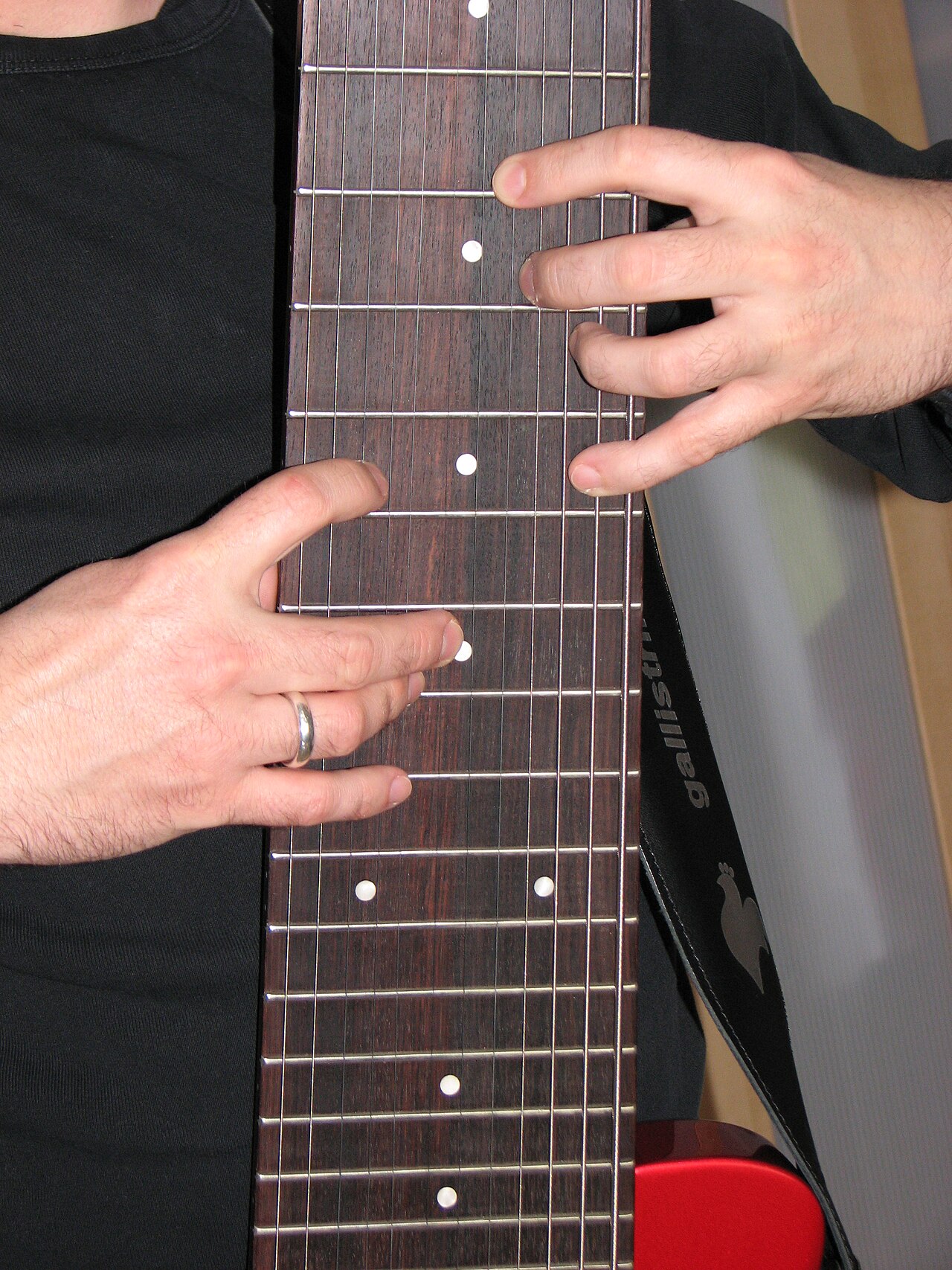
Heijink and Meulenbroek (2002) rank classical guitar among demanding instruments for unnatural postures under strict timing. Left hand complexity includes neck position, finger span, and repositioning. Tiny errors produce buzz or damping. Guitar uses two hands from note one. Piano’s early wall is often independence of musical roles; guitar’s is precision coupling under fretting constraints.
Reading paths: staff versus tab and charts
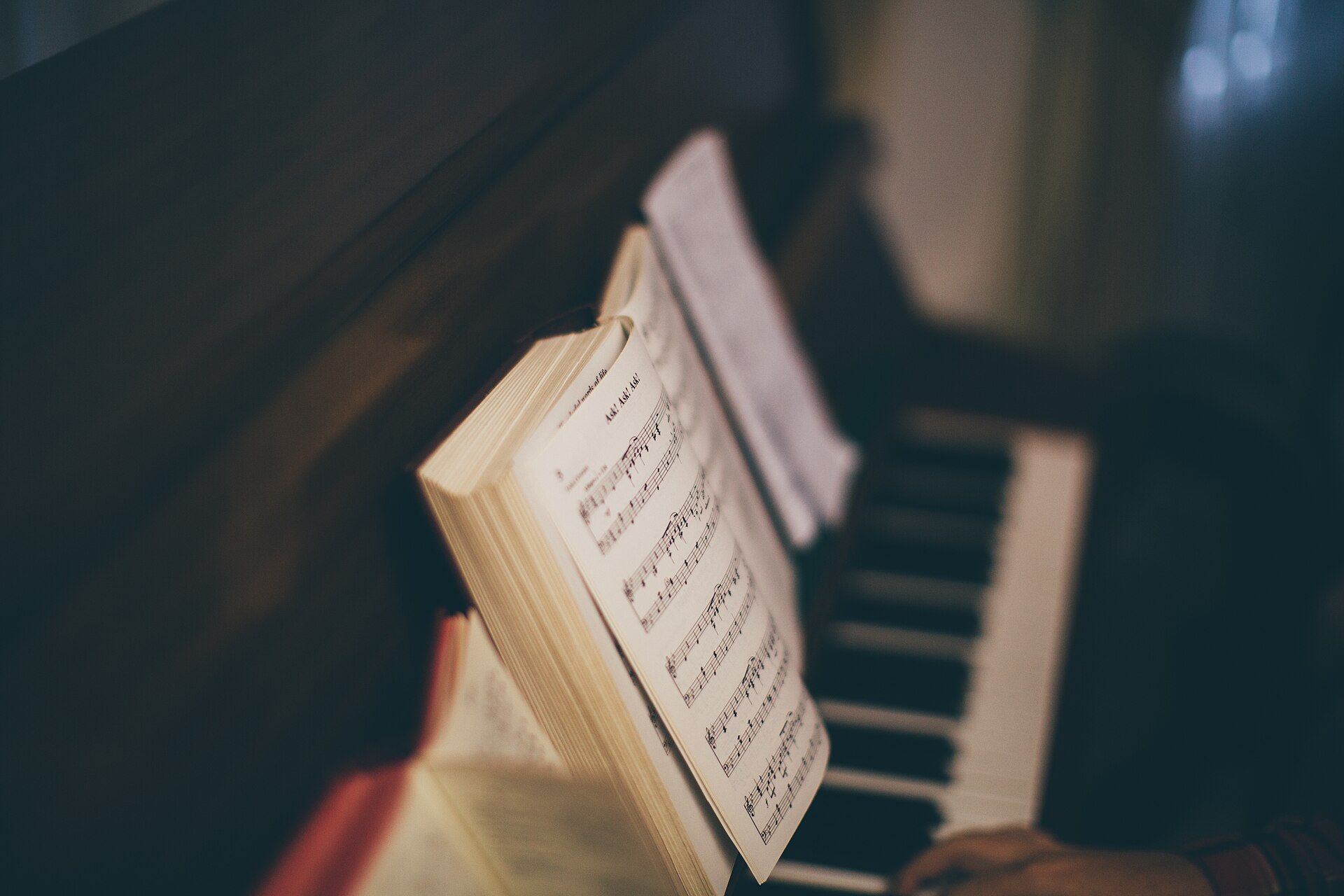
Traditional staff reading is typically more central on the piano classical and exam track. Two clefs are a real dual stream reading task. Guitarists often learn via chord charts, photographs, and tablature that map onto the fretboard. Crump and colleagues (2012) showed that experienced guitarists hold orientation sensitive visual chord representations. Tab is not cheating, but both literacy paths have different ceilings.
Three myths worth retiring
Myth 1: Piano is harder because two hands
Grain of truth: Independent hand roles are empirically hard. Correction: Guitar also requires two hands from the first note. Fair line: Piano’s problem is independence of musical roles; guitar’s is precision coupling.
Myth 2: Guitar is harder because fretting
Grain of truth: Fretting accuracy, buzz, calluses and barre chords are genuine barriers. Correction: Many learners pass that wall with good setup and short daily practice. Fretting difficulty is front loaded.
Myth 3: Piano is easier because you just press keys
Grain of truth: Pitch production is simpler on a tuned keyboard. Correction: Touch weight, articulation, pedalling, voicing and independence still separate beginners from pianists.
Genre fork: rankings can reverse
Classical and exam pathways
Both are hard. Piano reading plus polyphony is a heavy formal load. Classical guitar tone, fingering, and left hand repositioning are a heavy biomechanical load. Graded piano repertoire can feel complete earlier for many students. Name the track first.
Pop rock folk hobbyist pathways
Guitar fretting and chord changes hurt early. Piano hands together coordination hurts early. Guitar campfire songs often reward earlier. Piano lead sheet pop can also reward once independence arrives. Choose the social music you actually want to make.
Jazz
Piano brings voicings, comping plus lines, hand independence and reharmonisation. Guitar brings fretboard navigation, chord melody and voice leading across positions. Both demand specialised craft.
Metal and shred
Guitar athletic picking and precision are central. Do not rank a sweep arpeggio against a Liszt texture as if they were the same exam.
Physical care and gear without scare tactics
Playing related strain shows up in both groups. Guitarists often report fretting side strain and posture issues; pianists often report neck, wrist, forearm and finger issues. Most hobbyists manage with sensible dose, breaks, warm ups and honest setup.
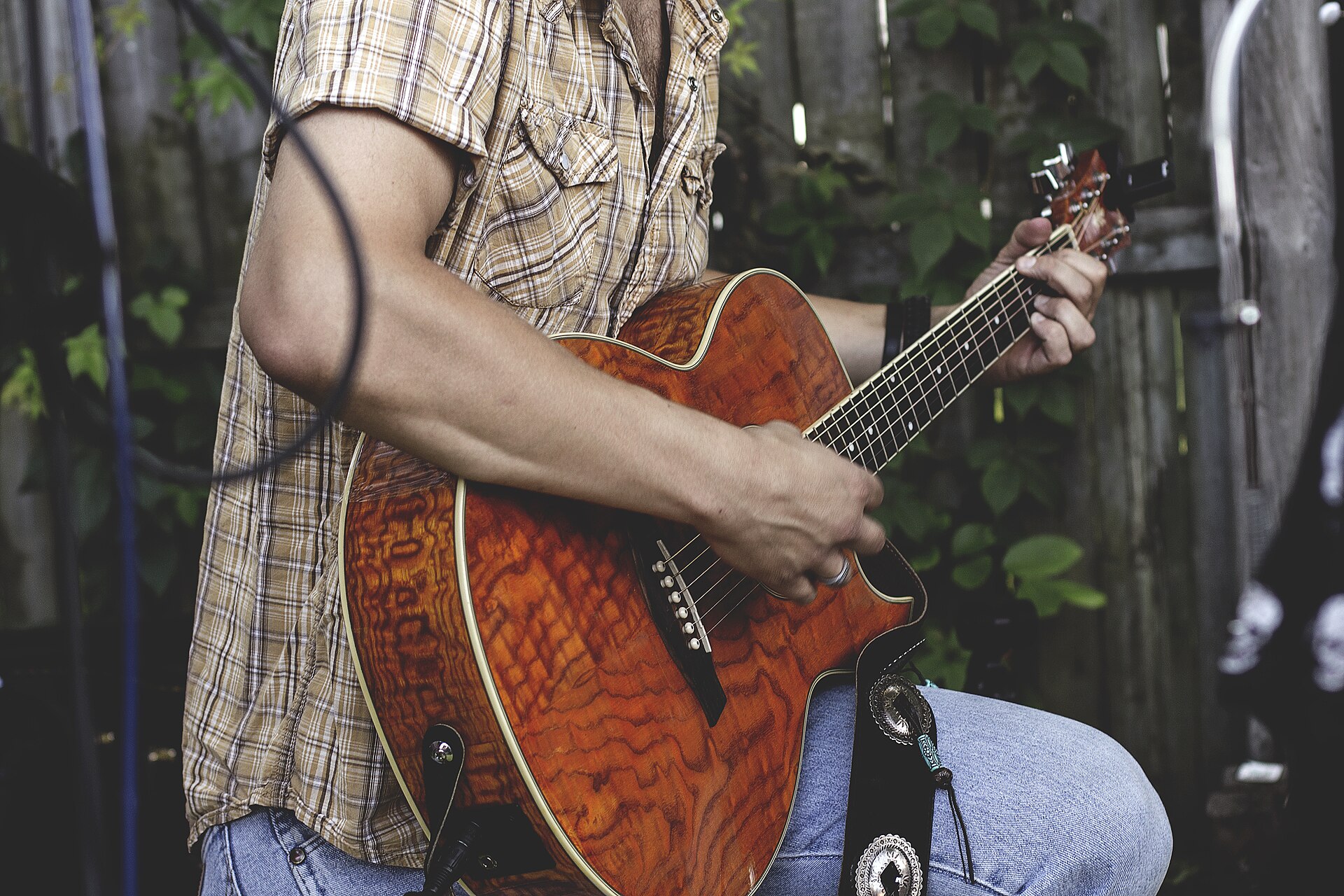
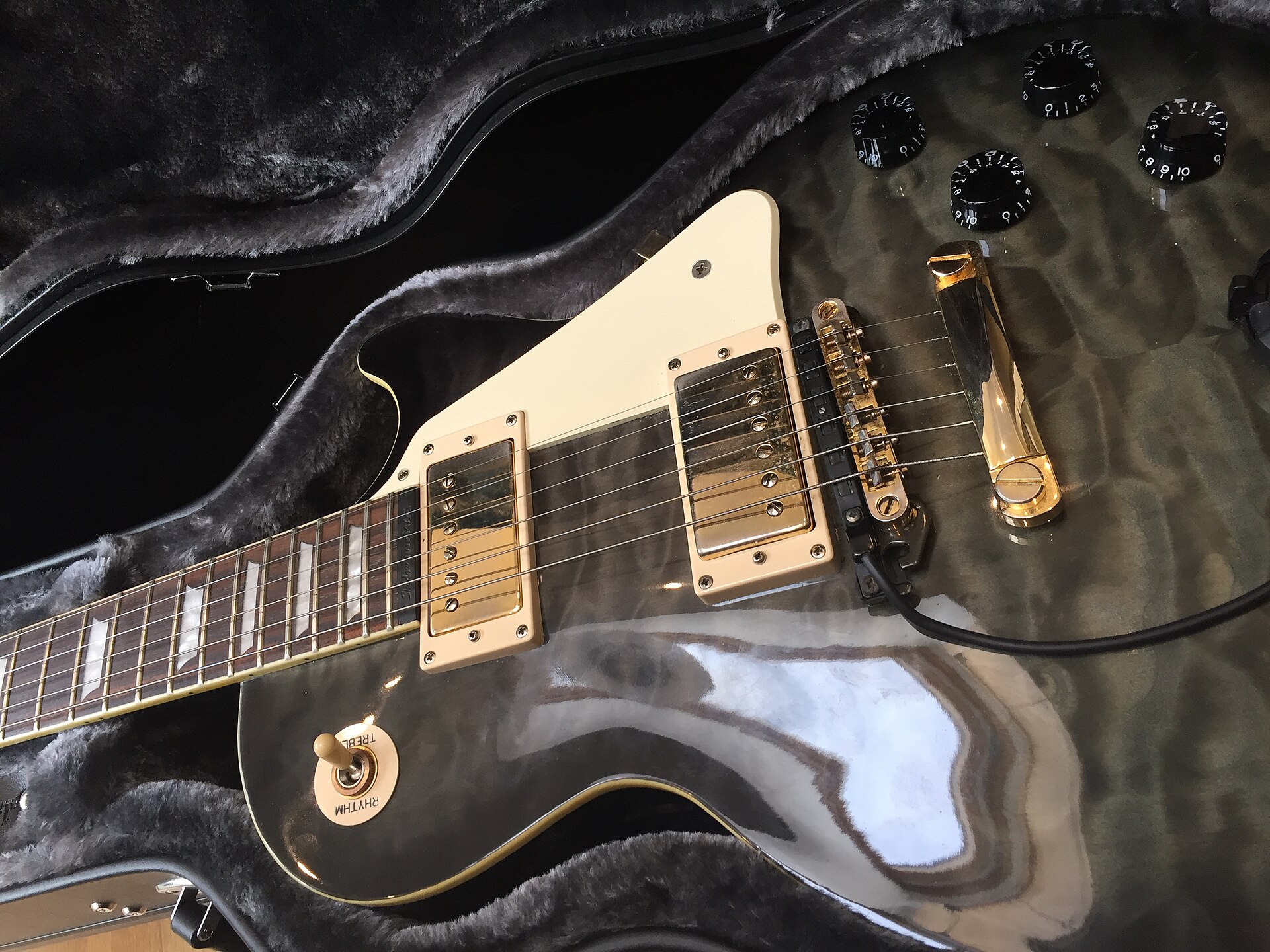
Budget for a proper guitar setup. Action, relief and intonation are beginner success factors. Digital piano hobbyists get an easier maintenance story; acoustic piano owners should plan for professional tuning.
How to choose without a fake trophy
If you already lean toward guitar, our pieces on health benefits of playing guitar and rock guitar techniques still used today sit beside this comparison for practice motivation and craft.
- Pick the sound and social role you love. Motivation and weekly hours beat rankings.
- Define your early milestone: first clean note, first singalong, first solo piece or first exam piece.
- On guitar, treat setup and short daily fretting practice as part of the curriculum.
- On piano, treat slow hands together work and reading method choice as part of the curriculum.
- If you want both eventually, either order can work. Sequence by joy first.
We will not pretend guitar is universally harder so a guitar school can win an argument. Piano’s layout is superb for theory visualisation. Guitar’s early physical friction is real. Owning that friction is better teaching than tribal scorekeeping.
Soft close
So is guitar or piano harder to learn? It depends what you mean by hard. Piano often asks more for independence and traditional reading. Guitar often asks more for intonation, left hand strength and clean early chords. Genre and goal can reverse the early ranking. Both instruments repay deliberate practice for decades.
If guitar is the sound you keep returning to, Maxim’s Guitar Workshop can help you build clean fretting, smart practice habits and songs you actually want to play. If piano is calling louder, chase that call with a good teacher and a clear track. The best instrument is the one you will still be holding next year.
Sources
Peer reviewed and institutional sources cited above. Full DOI or publisher URLs below.
Haslinger et al. (2004). Reduced recruitment of motor association areas during bimanual coordination in concert pianists. View study
Furuya, Nakamura and Nagata (2014). Acquisition of individuated finger movements through musical practice. View study
Heijink and Meulenbroek (2002). On the complexity of classical guitar playing. View study
Crump, Logan and Kimbrough (2012). Visual representations of guitar chords. View study
Luciani, Cortelazzo and Proverbio (2022). Effects of auditory feedback on music performance in guitarists and pianists. View study
Bangert and Schlaug (2006). Instrument specific brain morphology in musicians. View study
Amy Brandon interview (2017). The scientific guitarist. View interview
Elmer (2009). Replacing patterns: guitar fretboard pedagogy. View thesis
University of Ottawa Piano Pedagogy Research Laboratory. View page
Emond and West. Cognitive modelling of early music reading skill acquisition for piano. View study