If you only know one Australian rock band, it is probably AC/DC. Fair enough. They are a genuine global hard rock machine, formed in Sydney in 1973, and their records still teach guitarists about groove, space, and power. But Australian rock music history is not a single band biography. It is a timeline of scenes, labels, TV shows, pub rooms, festivals, and export pathways that kept sending Australian rock bands into the world long before streaming playlists existed, and long after the first big chart hits faded.
When guitar players ask what Australia contributed to rock, they often mean sales figures or one famous riff. Global contribution, for this piece, means something wider and more practical. It means records that charted or toured overseas. It means production houses and songwriting teams whose sound travelled.
How to read this timeline
For each era below, keep four threads in view.
First, the key artists and Australian rock bands that mattered in that window. Second, what was distinctive about Australian scenes and the Australian music industry at the time: pubs, labels, TV, radio, festivals. Third, the documented global impact: charts, tours, covers, overseas press, or underground influence. Fourth, a light guitar takeaway for students at Maxim’s Guitar Workshop, because the export story is also a craft story.
Prefer peaks, tours, and institutional recognition over vibes. Where sales estimates vary by source, this draft hedges them on purpose.
Australian rock music history: 1950s to 1960s foundations
Australian rock music history starts earlier than the stadium years. From the mid 1950s into the early 1960s, first wave rock and roll arrived with US and UK models and local stars who made it Australian on television and on record. Johnny O’Keefe stands as a first wave icon in national cultural memory, with songs such as “Wild One” and “Shout” and a TV presence that helped normalise loud youth music at home.
The mid 1960s brought a second wave beat boom, catalysed in part by the Beatles’ 1964 Australian tour. Teen press such as Go Set and contests like Hoadley’s Battle of the Sounds treated London as a career gateway. Expatriation was not a side plot. It was often the plan.
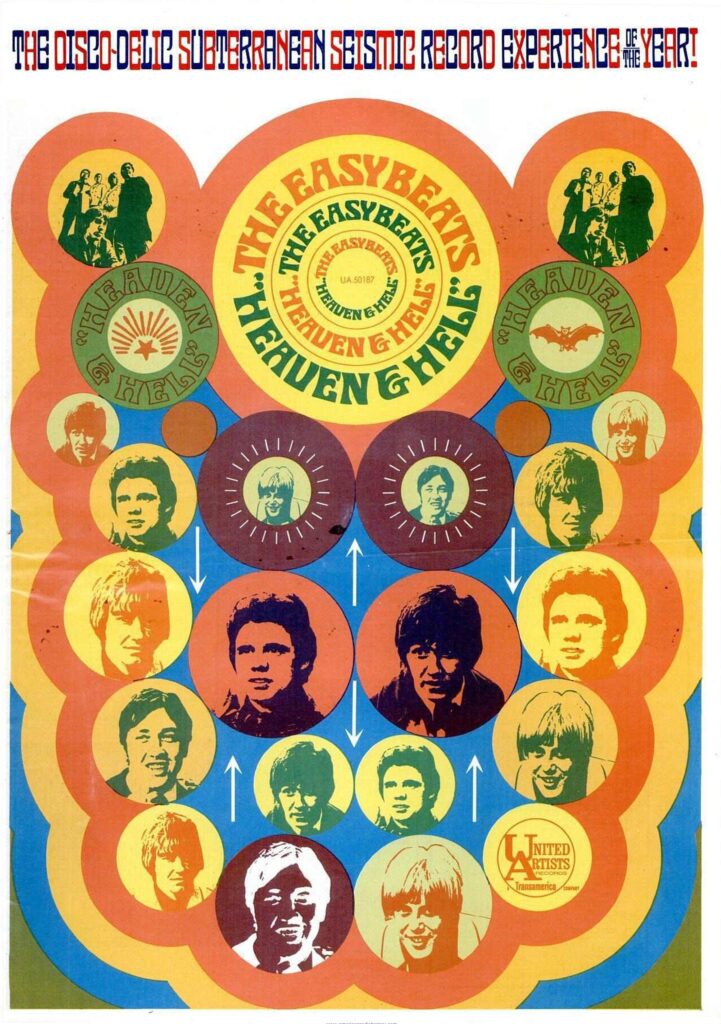
The Easybeats are the clearest early global rock node. Their migrant hostel origins at Villawood, and a Dutch, British, and Scottish immigrant collaboration, fed a sound that helped push against cultural cringe. Harry Vanda and George Young’s songwriting cut through. “Friday on My Mind” in 1966 reached UK No. 6 and US Hot 100 No. 16. APRA later ranked it among the great Australian songs, and NFSA recognised it in Sounds of Australia. European covers followed. David Bowie cut it on Pin Ups in 1973. Bruce Springsteen opened his 2014 Australian tour with it. That is not folklore. That is a riff with receipts.
Guitar students can treat “Friday on My Mind” as coiled beat era riff writing: a minor key step off, harmonic minor colour before the chorus, and tight attack rather than endless soloing. Immigrant working class lyric plus riff first attitude becomes a template that later Oz rock keeps returning to.
Industry context matters here. TV shows such as Bandstand and Six O’Clock Rock built a national audience logic that Countdown would later amplify. Local recording confidence was still limited. The UK remained the prestige market. Albert Productions and Ted Albert’s early bet on homegrown rock is the quiet hinge: the same house later seeds AC/DC, Rose Tattoo, and The Angels. Vanda and Young move from Easybeats hits into house production whose crunch reaches the world through AC/DC’s first six albums. Exact sales for many 1960s Australian singles are poorly standardised, so chart peaks and institutional recognition are safer than invented numbers.
Bee Gees belong only as a one line migrant pop pipeline note if you need it. They are not the centre of this rock timeline.
1970s breakthrough and Australian pub rock
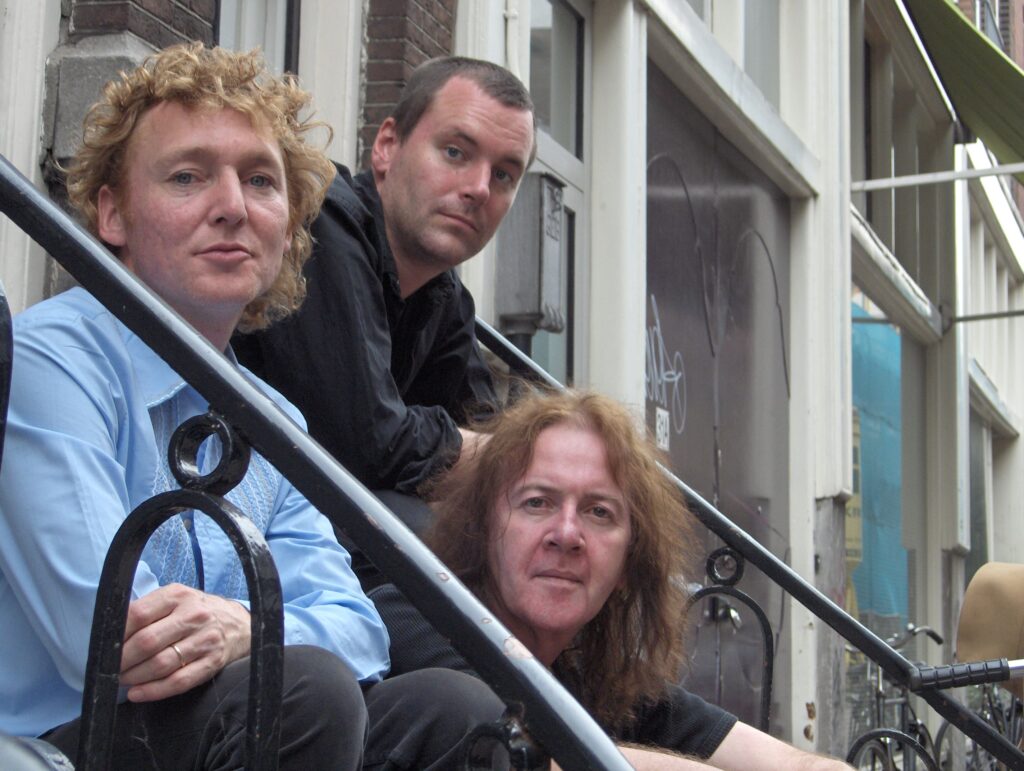
The 1970s are where Australia contribution to rock becomes impossible to confuse with a cover band nation. Pub rock, in the Australian sense, is heavier and bluesier than the British pub rock label, and it worked as a finishing school.
Early 1970s liquor law changes expanded live venues. Multiple sets in noisy, sometimes hostile rooms forced volume, riffs, and stamina. Billy Thorpe and the Aztecs, Buffalo, Blackfeather, and Coloured Balls helped set a loud blues hard foundation. Festivals such as Ourimbah in 1970 and Sunbury linked the live economy to emerging labels. Mushroom Records’ connection to Sunbury in 1973 sits in that early festival story.
Countdown arrived on ABC in November 1974 and ran until July 1987. It became a national TV amplifier for glam, pop rock, and later new wave. Skyhooks used that national machine brilliantly. Living in the 70’s, Melbourne identity, glam, and Australian lyrics made them a domestic phenomenon through Countdown and Mushroom. Overseas translation was weak. Cultural references that worked at home did not automatically travel. Treat Skyhooks as nationally transformative, not as a global chart peer of the hard rock exporters.
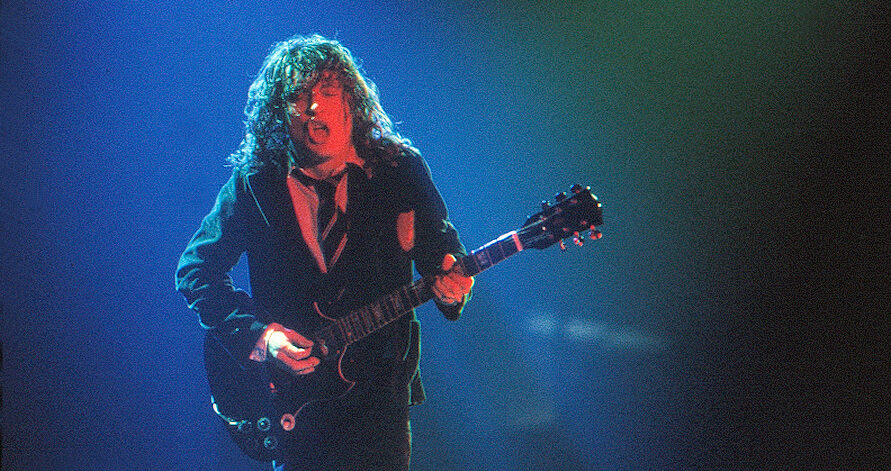
AC/DC formed in Sydney in November 1973. The Young brothers Angus and Malcolm, and later Bon Scott, were Scottish born migrants. Britannica and the Australian Dictionary of Biography treat the band as Australian formed with migrant roots. That wording matters. The pathway was classic: dominate Australian pubs, build a UK and Europe base through the mid 1970s, then push into the US. Highway to Hell arrived in 1979. Scott died in February 1980. Back in Black in 1980 became a global stadium inflection. Common estimates place Back in Black among the all time best sellers, often cited around 50 million worldwide, with multi platinum US certifications. Exact totals vary by source, so keep that figure hedged.
Rose Tattoo, also tied to Alberts and Vanda and Young, cut a greasy hard rock path. “Bad Boy for Love” is one domestic landmark. Later, Guns N’ Roses covering “Nice Boys” documented how Australian pub hard rock fed LA hard rock vocabulary.
Cold Chisel and The Angels sat at the apex of Australian pub craft. The Angels’ boogie rock packed rooms. Chisel’s Australian lyrical specificity and timing helped keep international breakthrough limited. Domestically monumental does not equal Hot 100 peer of AC/DC. That is industry reality, not disrespect.
Punk arrives as another Australian rock music history correction. The Saints in Brisbane self released “(I’m) Stranded” in September 1976 on Fatal Records. UK Sounds called it single of this and every week. An EMI deal followed. NFSA documents its international vanguard status, and the record sits in narratives that recognise Brisbane DIY pressing into UK press before several canonical UK punk vinyl debuts. Avoid absolute “invented punk” wording. The documented claim is early, loud, and internationally noticed. Radio Birdman in Sydney ran a Stooges and MC5 informed garage punk parallel, more underground than chart, still part of the scene’s ferocity.
Guitar takeaways from this decade are blunt and useful. Pub rock guitar grammar favours open E and A power, mid gain crunch, riff as chorus, less flash and more punch. Angus Young’s school uniform stage craft sits on blues pentatonic economy and Chuck Berry DNA at stadium scale: teach phrasing and groove, not only speed. Malcolm Young’s rhythm guitar architecture is the underrated lesson, right hand consistency and chord voicings that leave space for lead.
Cold Chisel and The Angels sat at the apex of Australian pub craft. The Angels’ boogie rock packed rooms. Chisel’s Australian lyrical specificity and timing helped keep international breakthrough limited. Domestically monumental does not equal Hot 100 peer of AC/DC. That is industry reality, not disrespect.
Punk arrives as another Australian rock music history correction. The Saints in Brisbane self released “(I’m) Stranded” in September 1976 on Fatal Records. UK Sounds called it single of this and every week. An EMI deal followed. NFSA documents its international vanguard status, and the record sits in narratives that recognise Brisbane DIY pressing into UK press before several canonical UK punk vinyl debuts. Avoid absolute “invented punk” wording. The documented claim is early, loud, and internationally noticed. Radio Birdman in Sydney ran a Stooges and MC5 informed garage punk parallel, more underground than chart, still part of the scene’s ferocity.
Guitar takeaways from this decade are blunt and useful. Pub rock guitar grammar favours open E and A power, mid gain crunch, riff as chorus, less flash and more punch. Angus Young’s school uniform stage craft sits on blues pentatonic economy and Chuck Berry DNA at stadium scale: teach phrasing and groove, not only speed. Malcolm Young’s rhythm guitar architecture is the underrated lesson, right hand consistency and chord voicings that leave space for lead.
Rose Tattoo’s slide and riff attack give hard rock students a greasy blues rock option. Ed Kuepper’s Saints guitar is raw and catchy, with DIY recording mindset as much as technique.
Export path in this era: pubs first, then UK base, then US touring. Labels split roles: Alberts for hard rock continuity, Mushroom for broader Australian repertoire including Skyhooks. Bon Scott’s death is a documented tragedy in the Australian Dictionary of Biography, not a cartoon myth.
1980s global exports from Australian rock
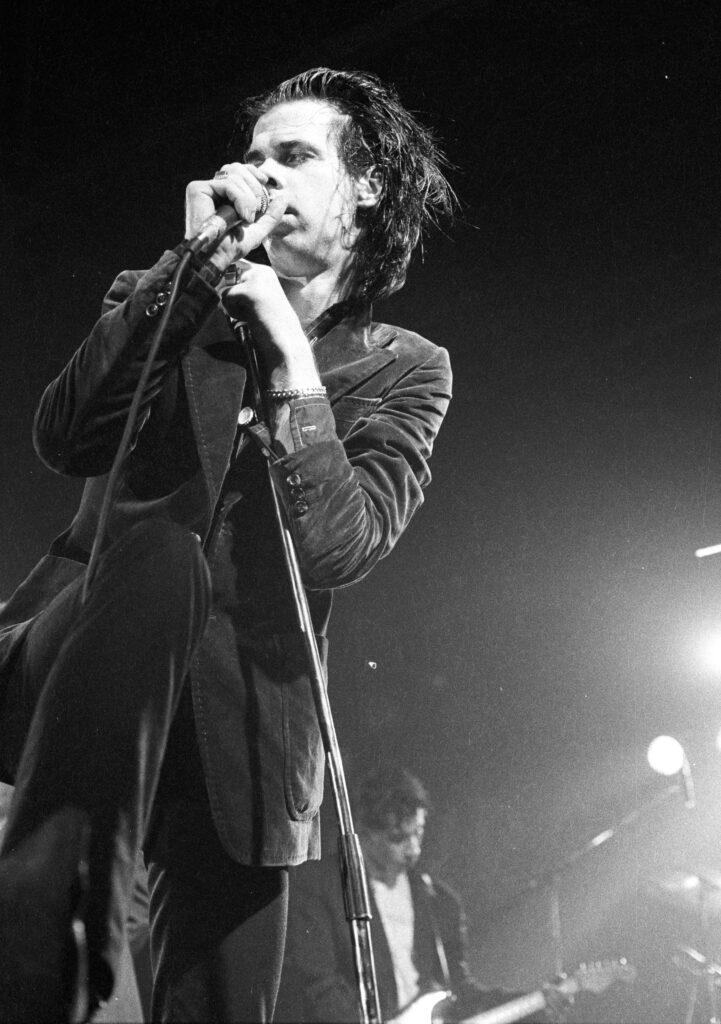
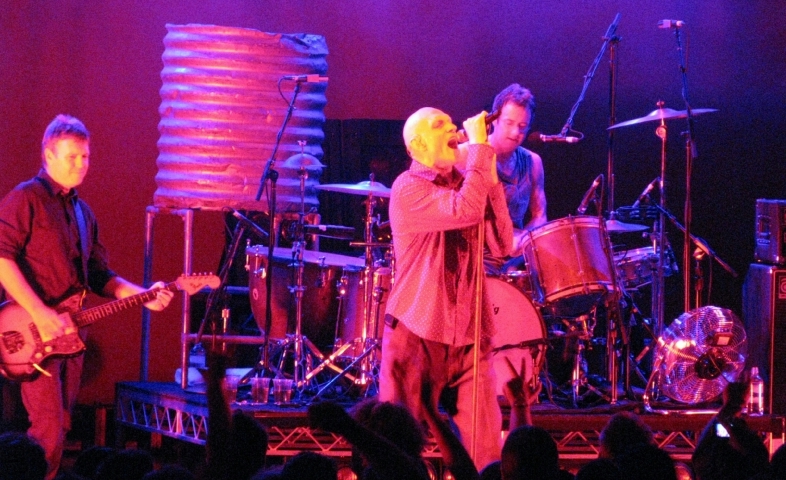
By the 1980s, years of pub and festival seasoning turned into mass chart global exports. AC/DC’s Brian Johnson era and Back in Black continuum kept stadium hard rock as Australia’s loudest global brand. Around them, a cluster of Australian rock bands proved the industry could export more than one flavour.
Men at Work’s Business as Usual delivered an early 1983 simultaneous US Billboard album and single No. 1 with “Down Under,” widely cited as a first for an Australian band. INXS moved from pub and new wave origins to Kick in 1987: Billboard 200 No. 3, four US Top 10 singles including “Need You Tonight” at No. 1, and multi platinum RIAA status. Midnight Oil’s Diesel and Dust in 1987 reached US Platinum. “Beds Are Burning” hit Hot 100 No. 17 and travelled as politically Australian content that still connected abroad.
Crowded House needs careful nationality wording. The band formed in Melbourne. Neil Finn is New Zealand born. Say Melbourne formed and Finn led, rather than erasing NZ. “Don’t Dream It’s Over” reached US Hot 100 No. 2 in 1987, with a massive Australasian and UK album legacy and later ARIA Hall of Fame recognition.
Around that chart spine sat Icehouse, Divinyls, Hoodoo Gurus, and The Church, with varying US college radio and MTV traction. Divinyls’ “I Touch Myself” reached US Hot 100 No. 4 in 1991, on the edge of the decade. The Go Betweens and The Triffids mattered as critical indie and post punk exports, with songs such as “Cattle and Cane” and “Wide Open Road” living in APRA and NFSA cultural canons more than Billboard conquest.
Nick Cave and The Birthday Party took another export road: Melbourne to London in 1980, then Berlin. Commercial charts were limited. Underground influence was outsized across goth, noise, and alternative scenes, with secondary literature citing bands such as Sonic Youth, Jesus Lizard, and My Bloody Valentine in the wake. That is influence as industry fact, not Hot 100 cosplay.
Industry context for the decade is apprenticeship made visible. A GRAMMY feature on the 1987 Australian rock moment stresses the so called invasion was often bands on fifth or sixth albums after a decade of hard live work. Self consciousness of Australian identity in songwriting, after years of UK and US imitation, became a feature rather than a bug. Countdown still shaped domestic fame while MTV and US college radio opened export lanes. Australian Made in 1986 to 1987 worked as a national rock showcase context.
The primary break market shifted toward the US after earlier UK first strategies. Overseas recording and US producers entered the toolkit, including collaborations noted in INXS interviews.
Guitar takeaways stay song and groove centred. INXS teaches funky muted rhythm guitar against rock choruses: subdivision and space between Kirk Pengilly and Andrew Farriss. Midnight Oil’s Jim Moginie and Martin Rotsey twin guitar arrangements are textural political rock without metal shred clichés. Divinyls bring aggressive rock pop guitar hooks. Hoodoo Gurus offer garage and power pop jangle and fuzz that fit US college radio vocabulary. Rowland S. Howard’s Birthday Party feedback as composition is advanced tone study, explosive and silky distortion praised in later coverage, not a beginner core.
Downstream influence reported in that 1987 legacy conversation includes later artists citing or covering INXS, Icehouse, and Oils material. Use that as reported influence, not overclaim.
1990s to 2000s diversification in Australian rock
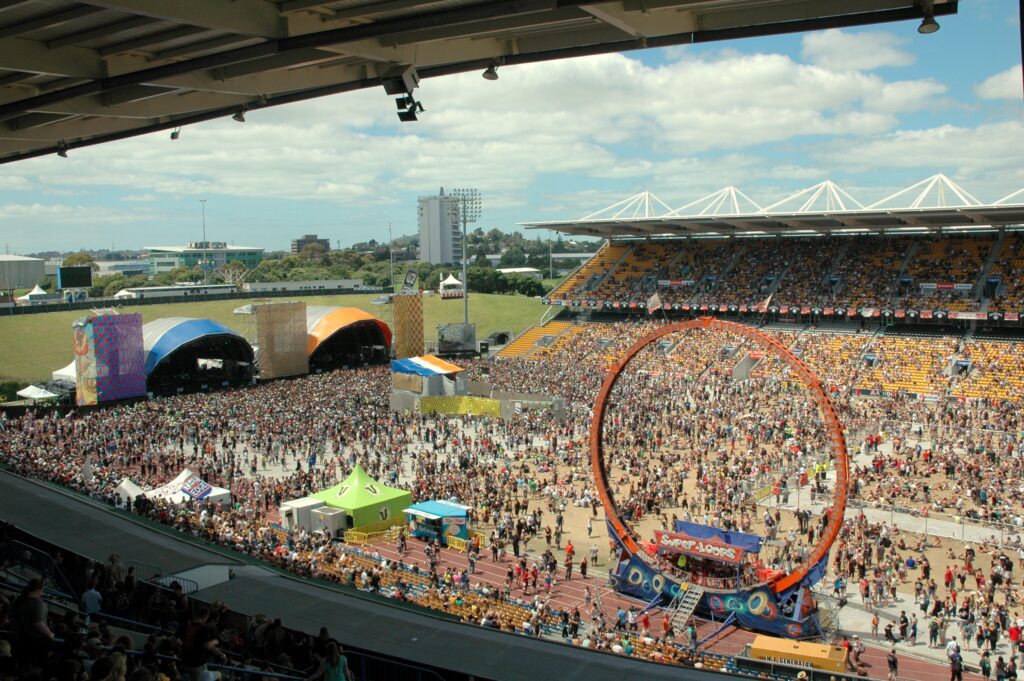
The next stretch diversifies. Grunge’s US boom briefly opened a door for heavy Australian guitar bands. National youth radio mattered: triple j’s nationalisation from 1989 and Hottest 100 tastemaking for alt and indie.
Big Day Out, from 1992, with Nirvana booking lore in its early story, linked Australian alternative scenes to global alternative touring circuits.
Silverchair, Newcastle teenagers, delivered the clearest 1990s US album chart rock breakthrough from Australia. Frogstomp in 1995 is commonly cited at Billboard 200 Top 10, often No. 9, with multi million sales and multi platinum status in the US and Australia. Grunge adjacent teen rock export is the honest label.
Jet’s Get Born in 2003 rode garage rock revival energy. “Are You Gonna Be My Girl” found iPod ad synergy. ARIA materials cite more than 5 million albums worldwide, US Modern and Mainstream Rock No. 1s, and tours with the Rolling Stones, Oasis, and Kings of Leon. Sync and licensing became a 2000s export accelerator.
The Living End’s punkabilly rock built huge Australian sales and international support slots with the Stones, AC/DC, and Green Day, with ARIA Hall of Fame recognition in the institutional memory of Australian rock. Spiderbait’s “Black Betty” hit Australian No. 1 and reached US Top 40, with ARIA noting large overseas listenership. Hoodoo Gurus continued as a durable US and Europe cult with early college chart strength. Nick Cave and the Bad Seeds sustained an international critical and commercial path from underground rooms toward larger stages across decades.
Honesty belongs here for domestic excellence that did not automatically export. You Am I were critical and domestic giants, with US club touring in Soundgarden adjacent circles, influence ahead of US chart. Powderfinger dominated Australian stadium and alt rock and attempted European touring, yet overseas mass breakthrough stayed limited compared with domestic scale. That asymmetry is a core Australian music industry lesson: local stadium craft does not guarantee foreign Hot 100 translation.
Guitar notes for students map cleanly onto the decade’s exports. Silverchair offers drop D and grunge riff vocabulary with quiet loud dynamics, a bridge from Nirvana era technique into Australian writing. Tim Rogers and You Am I model classic rock craft, hooks, and Australian lyrical guitar band tradition. Jet’s Stooges and Oasis flavoured midtempo crunch is a case study in riff, groove, and economy, especially “Are You Gonna Be My Girl.” Chris Cheney’s Living End work puts rockabilly lead vocabulary inside punk energy, a hybrid technique showcase.
Festival economy grew while suburban pub circuits later faced gentrification debates. Flag the controversy without pretending one simple cause. Indie labels and major label A and R hunted the next Silverchair or Jet. Avoid inventing Powderfinger US chart peaks. Emphasise Australian dominance and limited overseas penetration as the sourced picture.
Australian rock music history today: 2010s to 2020s streaming era
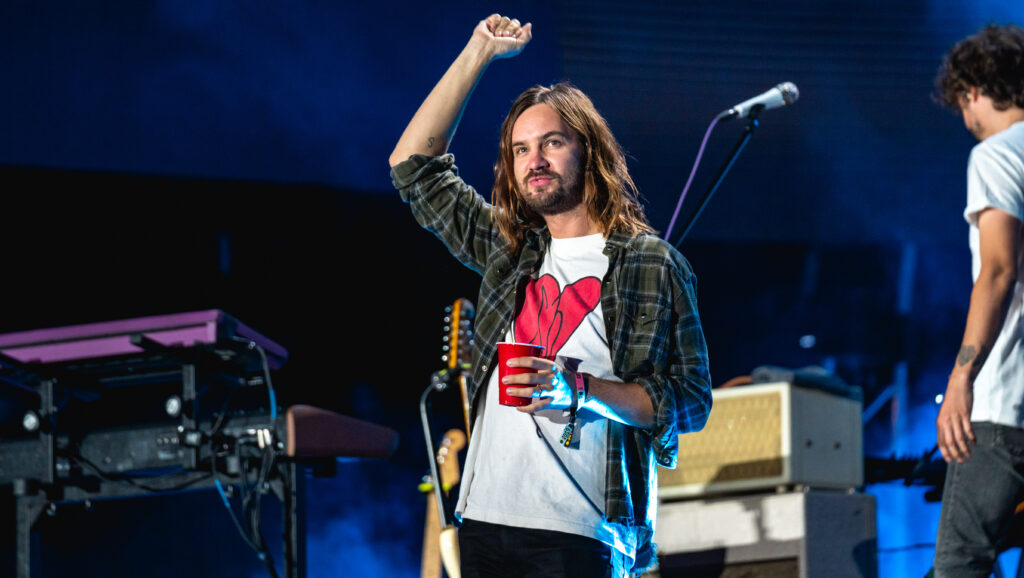
From about 2010 into the mid 2020s, streaming and relentless touring changed the export pathway. Playlist culture reduces some gatekeeper dependence. Psych and punk niches find global micro audiences. DIY and independent labels, plus festival slots and stadium supports, replace the old single path of London then America.
Tame Impala, Kevin Parker’s Perth psychedelic project, became a global festival headliner, including Coachella in 2019, with Currents and The Slow Rush reaching high Billboard peaks. Studio as instrument rock and psych crossover is the craft story: layered guitar and synth hybrids, production ear as a guitar skill, phaser and flanger psych tones.
King Gizzard and the Lizard Wizard built a hyper prolific Melbourne identity and a major North American touring machine. Entertainment press reported figures on the order of more than 240,000 tickets across about 40 North American shows in 2024. Attribute that as reported touring scale. Genre fluid rock as brand, guitar orchestration across microtonal, thrash, psych, and jam approaches, rewards curiosity and stamina over one correct technique.
Courtney Barnett carries an international indie guitar songwriter voice, with US and UK album chart entries, awards nominations reported in music press, and festival stages including Coachella. Anti shred melodic lead and conversational rhythm keep guitar song serving.
Amyl and the Sniffers export Melbourne pub punk and hard rock without soft pop compromise. ARIA rock awards, US and Europe headlining, and stadium supports with acts such as Foo Fighters and Green Day sit in recent press. Declan Martens and company return to downstroke punk and hard rock attack, live volume, minimal fuss: pub fundamentals recycled for international rooms. Continuity matters. The old finishing school DNA still travels.
Mentionable with care: Gang of Youths with UK and US touring and UK chart albums; DMA’s with UK indie and Britpop leaning success; Pond and the Perth psych cluster around Parker as rock lineage relevant. Avoid diluting the timeline into pure pop. Pop punk adjacency can be a brief aside if needed, not the centre.
Industry memory keeps inducting rock acts into the ARIA Hall of Fame, including Jet and later Living End and Spiderbait among broader 2020s announcements. Festivals such as Coachella and European circuits, plus stadium support slots, remain discovery systems. Streaming global numbers change fast, so prefer tours, chart peaks, and awards over ephemeral monthly listener claims unless refreshed at publication.
Guitar takeaways across Australian rock music history
If you are learning guitar through this timeline, steal methods, not myths.
From the 1960s: write a riff that carries the song before you decorate it. Easybeats power pop attack into Vanda and Young production crunch into AC/DC open chord propulsion is a coherent study path.
From the 1970s: treat rhythm guitar as architecture. Pub volume culture teaches stamina and punch. Punk DIY from The Saints teaches catchiness under pressure.
From the 1980s: groove subdivision and twin guitar texture matter as much as lead flash. Political or funky rock can still be guitar forward without shred clichés.
From the 1990s and 2000s: dynamics, sync ready riff economy, and hybrid styles (rockabilly inside punk, grunge vocabulary inside Australian writing) travel.
From the 2010s onward: production ears, genre curiosity, and live fundamentals still export. Streaming did not erase the need to play hard in a room.
If you want the older American root language behind much of this craft, Maxim’s Guitar Workshop pieces on the History of Blues Guitar and the Real Roots of Modern Popular Music sit naturally beside this timeline. Rock exports did not appear from nowhere. They stand on blues, rhythm and blues, and popular song craft that Australian players localised and then shipped out.
FAQ
**Was AC/DC Australian?**
AC/DC formed in Sydney in 1973. Core members included Scottish born migrants. Call them Australian formed with migrant roots, which matches how major references frame the band.
**Did Australian rock invent pub rock?**
Australian pub rock is a distinct heavier, bluesier live culture tied to local venue changes and finishing school intensity. Do not conflate it with British pub rock. It is a local industry condition that forged exporters, not a claim that Australia invented every pub gig on earth.
**Who mattered besides AC/DC in Australian rock music history?**
Easybeats and Vanda and Young, Albert Productions, Rose Tattoo, The Saints, INXS, Midnight Oil, Men at Work, Crowded House (with NZ nuance), Nick Cave’s underground line, Silverchair, Jet, The Living End, Tame Impala, King Gizzard and the Lizard Wizard, Courtney Barnett, and Amyl and the Sniffers are essential nodes among others. Domestic giants such as Cold Chisel, Powderfinger, and You Am I matter for craft and national scale even when overseas mass breakthrough stayed limited.
**What does global contribution mean here?**
Charts, tours, covers, overseas press, label pipelines, festival circuits, and documented influence. Not every important Australian band needs a US No. 1 to count, and not every domestic legend should be inflated into one.
**How did the Australian music industry help exports?**
Successive discovery systems: national TV via Countdown, national youth radio via triple j, festivals such as Big Day Out, family and indie labels such as Alberts and Mushroom, then streaming playlists and relentless touring. Export pathways shifted from UK first strategies toward US markets, then toward multi market touring.
Soft close and next step
Australian rock music history keeps proving the same practical lesson: scenes train craft, industry pathways move that craft across borders, and guitar vocabulary travels whether the vehicle is a 1966 riff anthem, a pub hard rock album, an 1987 chart cluster, a 2000s sync hit, or a 2020s festival psych and punk run. AC/DC is one brilliant chapter. The book is thicker.
If you want to learn the guitar craft behind these eras, book a free consultation or check tuition fees with Maxim’s Guitar Workshop. Bring a riff you love from this timeline. We will work the right hand, the tone, and the song sense that made Australian rock bands travel.