You have heard the slogan. Everything comes from Western classical music and the blues. Neat. Memorable. Wrong.
I hear it in lessons, in forums, even from players who can shred a twelve bar form in their sleep. Classical for the harmony. Blues for the grit. Then rock, pop, metal, hip hop, dance music, the lot. As if popular music were a tidy family with two parents and a long list of kids.
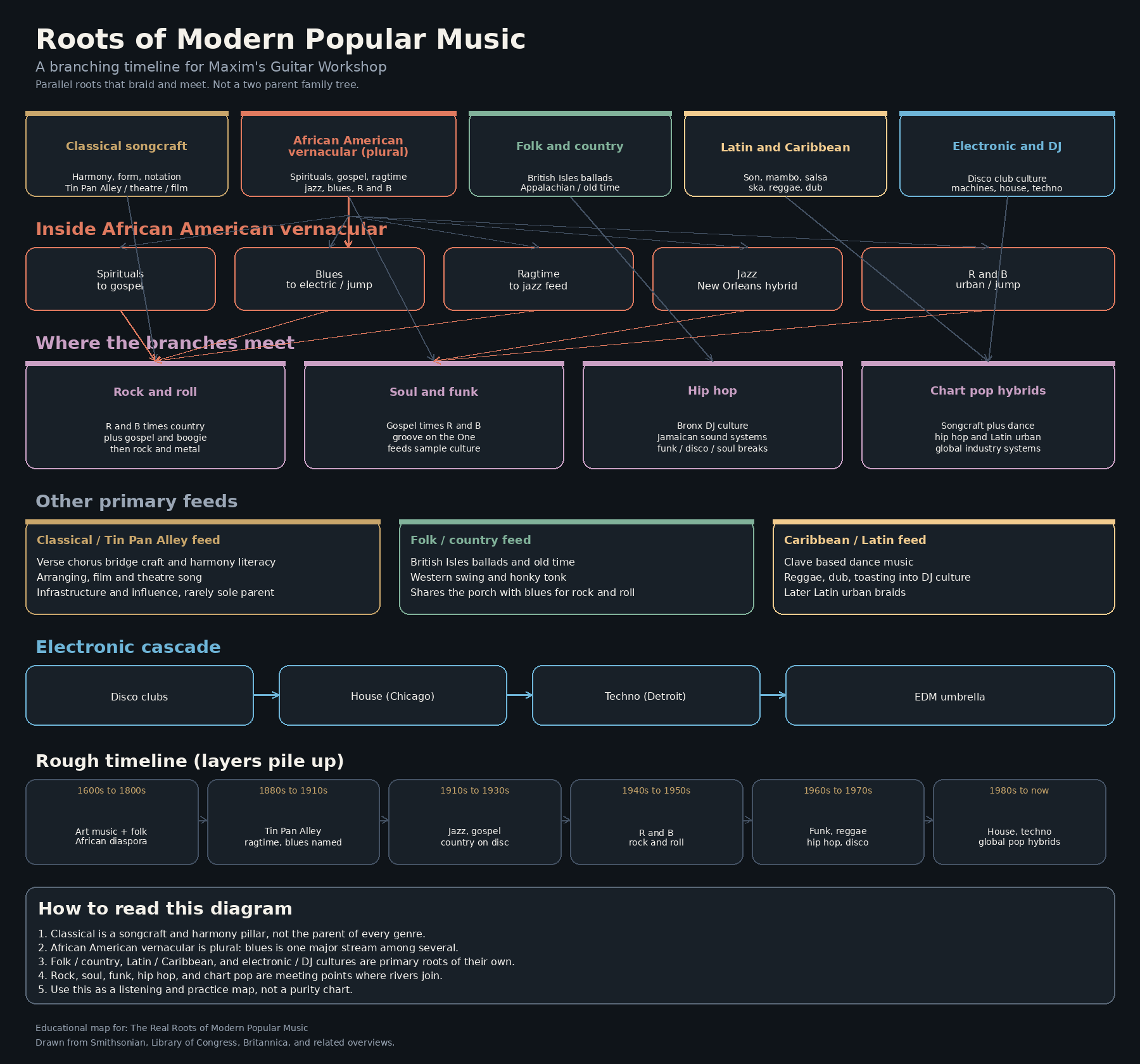
That story flatters a couple of real pillars and erases the rest. The roots of modern popular music are plural. Classical harmony, form, and commercial songcraft (Tin Pan Alley, theatre, film) matter a great deal for how songs are built and sold. They are not the parent of every genre. Blues matters enormously for guitar culture and for huge clusters of Anglophone popular music. It is one stream inside a plural African American vernacular that also includes spirituals and gospel, ragtime, jazz, rhythm and blues, soul, and funk. And then there are whole other rivers: British Isles folk into country, Afro Cuban and Jamaican lineages, disco into house and techno, Bronx block party culture into hip hop.
Think braided river, not binary tree. Currents join, split, rejoin. Industrial centres matter as much as “parents”: New Orleans, Chicago, Detroit, Kingston, the Bronx, Tin Pan Alley. This article maps those branches for curious listeners and for guitar students who want a better mental map than the two roots slogan.
What follows draws on institutional overviews (Smithsonian, Library of Congress, Britannica, and standard encyclopaedic summaries). It is not encyclopaedic completeness. It is a working map you can actually use when someone drops that classical plus blues line in a rehearsal room and expects you to nod along.
Why a branching timeline for the roots of modern popular music
A straight line history feels tidy and sells well. Popular music does not behave that way.
Read eras as layers that pile up, not as a single path that replaces what came before. Ragtime does not “die” when jazz arrives. Gospel keeps feeding soul long after the 1950s. Disco’s club culture still sits under house music decades later. Country keeps borrowing. Pop keeps absorbing whatever chart heat is nearby.
When I say “primary roots,” I mean the main inputs most reputable overviews name for that cluster. Hybrids are the rule. Almost nothing here is pure. A “family tree” drawing is a teaching sketch, not literal biology. Remix culture and cities explain as much as ancestry arrows.
Approximate layers, spoken aloud rather than carved in stone:
From the 1600s to the 1800s: European art music (Baroque into Classical into Romantic) and European folk sit alongside African music cultures carried into the Americas via the Middle Passage. Sacred life grows spirituals. Secular life grows work songs and dances. European hymns and psalms share church air and get remade.
From the 1880s to the 1910s: Tin Pan Alley and musical theatre commercialise song. Ragtime syncopates the piano. Blues crystallises as a named genre in the Deep South. Old time and early country recording cultures gather steam.
From the 1910s to the 1930s: Jazz moves from New Orleans toward a national presence. Classic blues records circulate. Hillbilly and country records find markets. Gospel emerges from spirituals plus hymnody plus blues and jazz rhythmic feel.
In the 1940s: Rhythm and blues names an urban Black popular field (jump blues, boogie). Bebop turns jazz inward and upward. Country honky tonk and western swing are already busy.
In the 1950s: Rock and roll forms as rhythm and blues meets country, with gospel, boogie, and more in the mix. Soul begins where gospel meets R&B. Modern chart “pop” identity hardens alongside rock and roll.
In the 1960s: Soul goes mainstream. Funk centres the groove (James Brown and company). British blues rock feeds hard rock. Reggae grows from ska and rocksteady in Jamaica. Latin jazz and early salsa gather in New York. Psychedelic and progressive rock borrow classical gestures without descending from the conservatory.
In the 1970s: Disco rises from Black, Latino, and Italian American club cultures. Punk ruptures. Metal solidifies. Hip hop culture begins in the Bronx (Herc around 1973 is the usual teaching citation). Salsa commercialises through labels like Fania and the wider scene.
In the 1980s: House in Chicago. Techno in Detroit. Hip hop globalises. Synth pop saturates charts and feeds techno’s ear.
From the 1990s onward: an EDM umbrella spreads. Contemporary R&B evolves. Global pop hybrids (K pop, Latin urban styles, and more) make the two roots slogan look smaller every year.
Guitar students: watch for where your instrument actually sits. Blues, country, jazz, rock, metal, funk, reggae, and a lot of pop craft put the guitar (or its electric cousins) near the centre. Classical influence for us is often harmony literacy, voice leading habits, and the shape of verses and bridges we inherit from commercial songwriting, not a claim that Bach invented Chuck Berry. For a deeper dive on one of those streams, see our page History of Blues Guitar.
Soft note while we go: if you want help connecting this history to your own playing, Maxim’s Guitar Workshop offers a Book a Free Consultation path and a Tuition Fee page for ongoing lessons. No stuffed theory sermon. Just useful context when you want it.
The next sections treat five parallel branches. None is the secret parent of the others. After that, we watch where the currents actually meet.
Classical songcraft: harmony, form, and the commercial song machine
Start with what Western art music actually contributes, because the slogan gets this half wrong by overselling it.
From the Baroque through Classical and Romantic eras into twentieth century art music, Europe built a continuous tradition of notation, tonality, large forms, and institutional training. Conservatories, church choirs, and orchestras spread a toolkit: chord progressions, phrase shapes, counterpoint habits, orchestration colours. That toolkit saturates the infrastructure of recorded popular song. It shows up in hymn and chorale harmony inside Black and white church music. It shows up in jazz arranging textbooks. It shows up in film and television scoring. It shows up whenever a progressive band or a metal arranger quotes classical gesture without somehow becoming a child of the art music lineage.
The more direct feeder into everyday popular song is industrial. Tin Pan Alley, Broadway, and Hollywood song built a commercial craft of verse, chorus, bridge, and hook long before rock and roll. Traditional pop and the Great American Songbook sit on that line. Mid century chart pop keeps absorbing rock, hip hop, dance, Latin, and country, but the older songwriting machine never fully left the building. When a modern hit still feels “song shaped” in a theatre literate way, you are hearing that pillar, not a secret Mozart sample pack.
So place classical honestly. It is a pillar of harmony, form, and commercial songwriting literacy. It is rarely the sole parent of a vernacular genre. Blues, country, reggae, and hip hop do not genealogically come from Mozart the way rock and roll comes from rhythm and blues meeting country. Influence is not parenthood. Infrastructure is not destiny. That distinction keeps the classroom honest.
African American vernacular: plural streams, not one blues node
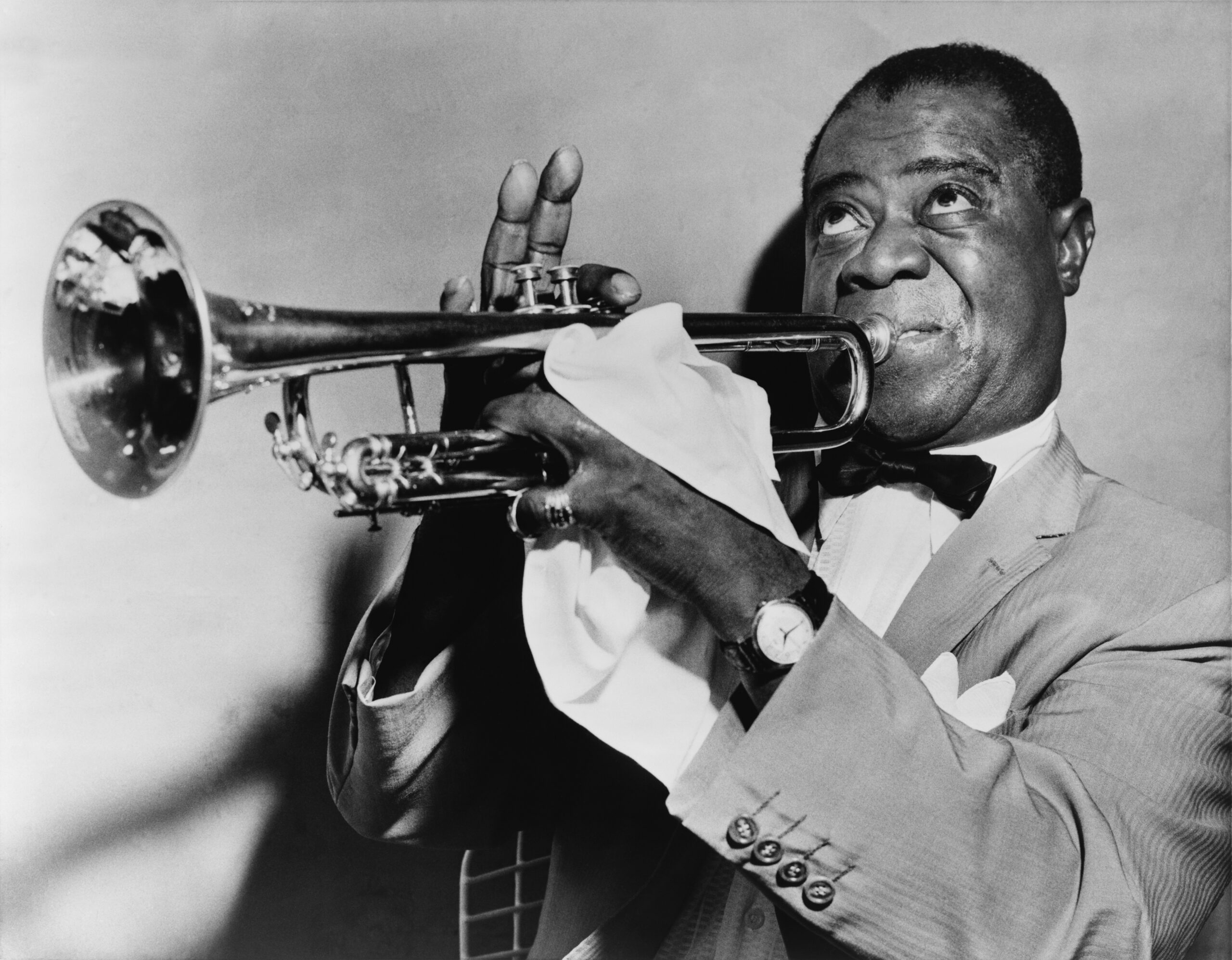
Here is the correction that matters most for anyone who grew up on blues guitar videos alone.
Smithsonian Musical Crossroads frames African American music as a mix of African, European, Native American, and global influences. It is foundational to American music. It is not a single blues node with everything else hanging off it. Treat “Black music” as a complex of practices, not a brand name for one form.
West and Central African practices travel into the Americas through the Middle Passage: call and response, polyrhythm, and the diasporic outcomes we hear as blue notes and groove based feel. Sacred life grows spirituals. Secular life grows work songs, field hollers, dances. European hymns and psalms sit in the same churches and get remade by congregations who refuse to sing them flat and polite forever.
From the late nineteenth century into the early twentieth, several named streams crystallise side by side.
Spirituals into gospel. Black church tradition meets Protestant hymnody. Later gospel picks up blues, jazz, and ragtime rhythmic devices. NMAAHC and Smithsonian Folklife treat gospel as a living tradition, not a side note. When soul singers “go to church” on a secular lyric, this is the river talking.
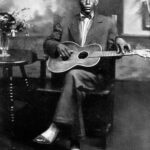
Blues. Britannica describes blues as African American secular folk music of the South before about 1900. Field hollers and work songs feed it. African derived call and response and blue notes meet European harmonic materials in accompaniment. Library of Congress Folklife guides stress how foundational blues becomes for later American popular styles. For guitarists, this is the big door: bottleneck, twelve bar forms, bent notes, the electric blues that will feed rock. Own it. Just do not pretend it is the only door in the building. Our History of Blues Guitar page stays with that stream in more fretboard detail.
Ragtime. Syncopated piano, march forms, African American practice, sheet music culture in the late nineteenth century. It feeds jazz and stride. It is not “early blues under another name.” The right hand’s snap against a marching left hand taught America to feel syncopation in print and parlour alike.
Jazz. New Orleans at the turn of the century is a famous matrix. Britannica and Smithsonian stress hybridity: blues, ragtime, spirituals, folk, marches, European classical harmony and instruments, West African elements. Jazz uses European tools. It is not a classical offshoot. Improvisation, swing feel, and collective polyphony sit at the centre of gravity.
Rhythm and blues. After the Second World War, urban Black popular styles gather under a term Jerry Wexler helps popularise around 1947: blues plus boogie woogie, jump blues, swing era urban energy. Jump blues and electric blues sit right next door. This line runs into rock and roll, soul, and funk. If you play electric guitar and wonder why early rock records feel so close to jump blues shout numbers, now you know.
Work songs and folk rhetoric also leave long shadows into protest folk and, later, into hip hop’s verbal ancestry. Again: siblings and parallels, not a single trunk labelled blues.
If you only remember one sentence from this section, remember this. African American vernacular is plural. Blues is central for guitar based popular lineages. Gospel, ragtime, jazz, and R&B are co foundational, not optional footnotes.
Folk and country: British Isles ballads meet the American South
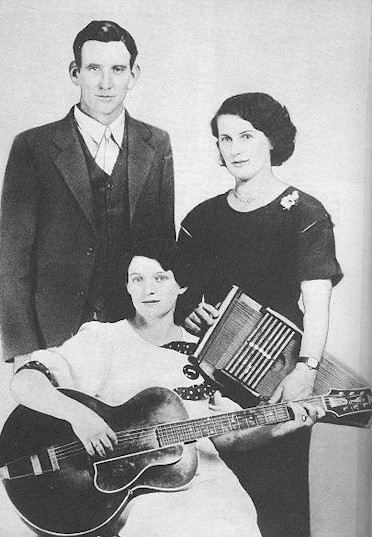
Country music’s primary story is not “classical plus blues.” Britannica’s overview points to English, Scots, and Irish ballads and folk; old time and Appalachian traditions; minstrel and vaudeville; plus blues, gospel, and Tin Pan Alley. Rural South and West recording cultures turn hillbilly and western styles into a commercial genre.
So the European folk line is a real pillar. Fiddle tunes, ballad storytelling, and Anglo Celtic song shapes travel into old time and then into Nashville craft. Blues and gospel cross pollinate heavily. Western swing and honky tonk already show how permeable the borders are by the 1940s. Anyone who still claims country is “pure Anglo folk” has not read the overview sources.
Guitar students hear this every time a country lick and a blues lick share a fretboard and refuse to stay in separate rooms. Thumbpick patterns, double stops, and open string drones talk to bent blue notes like neighbours who share a fence and borrow tools. Rock and roll will later sit exactly on that shared porch.
Latin and Caribbean streams: other primary matrices
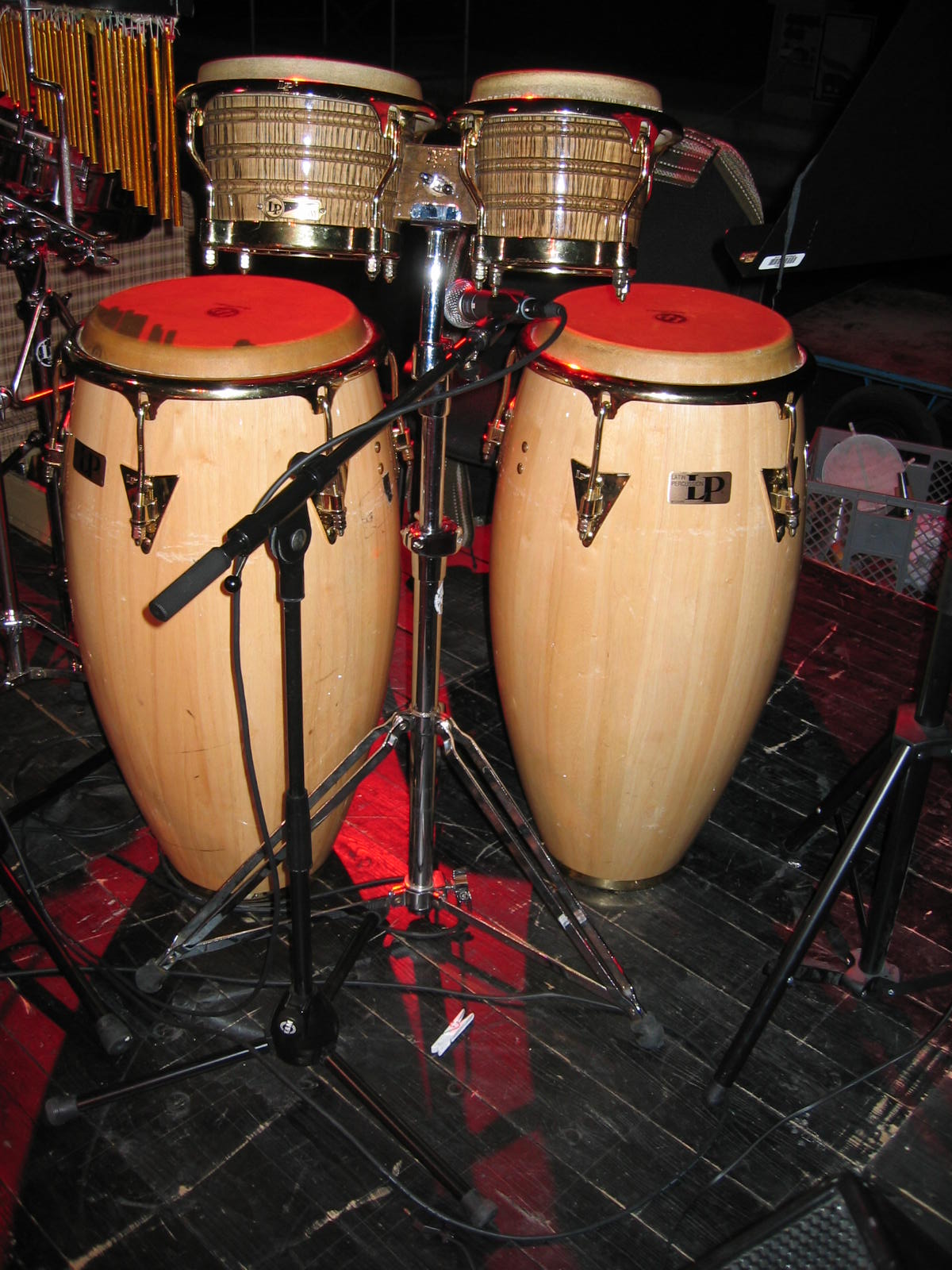
These lines are not “blues plus classical with a holiday hat on.” They are primary matrices of their own.
Afro Cuban and Latin dance popular. Son, rumba, mambo, and related practices feed salsa and Latin jazz, especially through New York Puerto Rican and Cuban scenes in contact with jazz and R&B. Clave based rhythm thinking is its own centre of gravity. If your right hand only knows straight rock quaver grids, clave will rearrange your furniture.
Jamaica. Mento, ska, and rocksteady lead into reggae, with African folk drumming lineages and R&B or jazz radio inputs in the mix. Dub techniques reshape space and bass until the mix itself becomes an instrument. Sound system culture and toasting feed into hip hop’s DJ world. Dancehall later braids into reggaeton along with reggae en español and other Latin urban currents. Kingston belongs on the same map as Chicago and the Bronx.
Brazilian samba and bossa nova belong in the wider Latin American conversation even when a short article cannot unpack them fully. Global listening means admitting those rooms exist.
Guitar students who love reggae offbeat skank or Latin rhythmic subdivisions are standing in streams that deserve equal billing on any honest map. Mute the strings. Feel the space. That space has a history.
Electronic and DJ culture: disco into house and techno
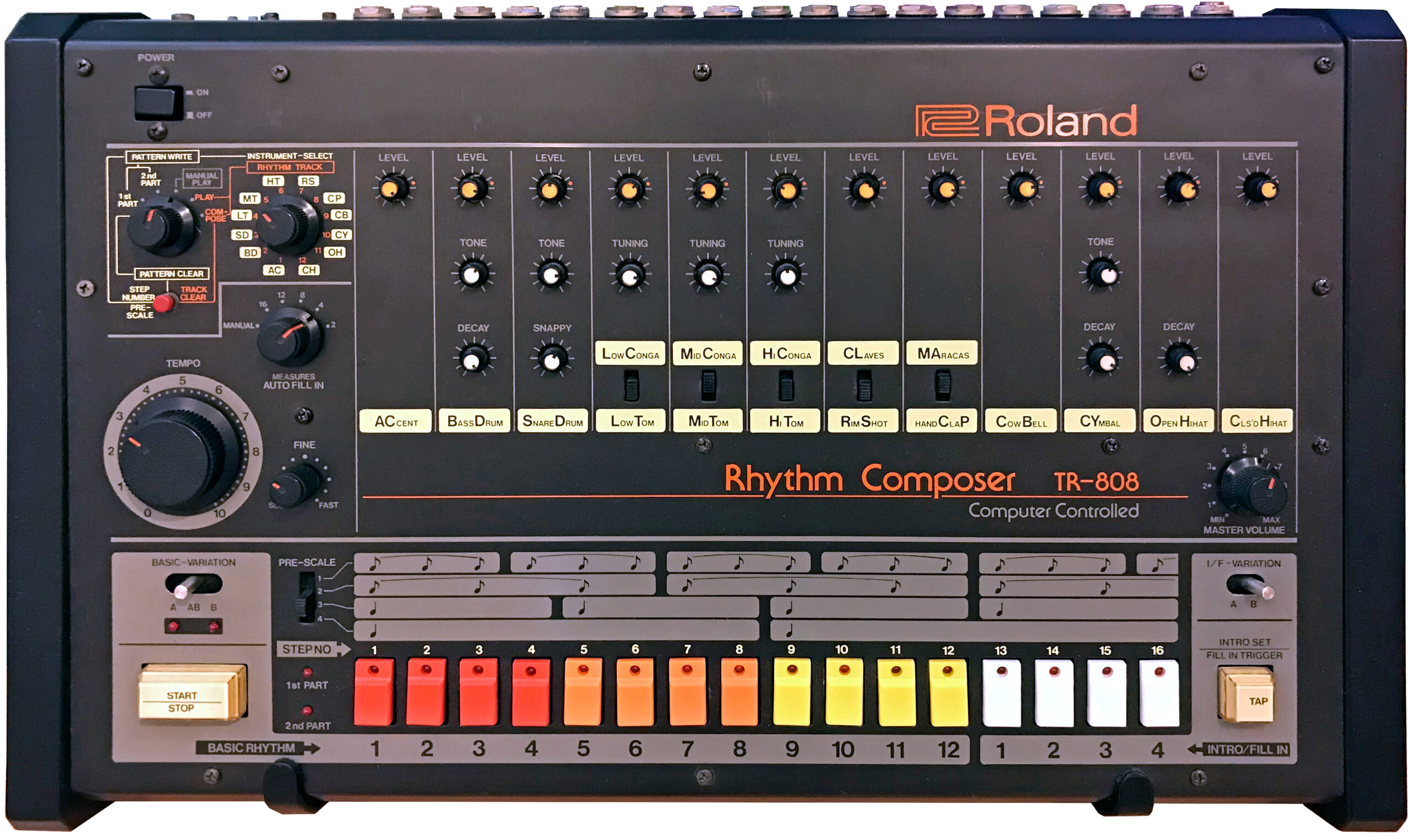
Electronic dance music does not spring fully formed from mid century classical tape experiments, though musique concrète and synthesizer research belong in the wider technology story. Academic labs matter. Club floors matter more for the genres people actually dance to on a Saturday night.
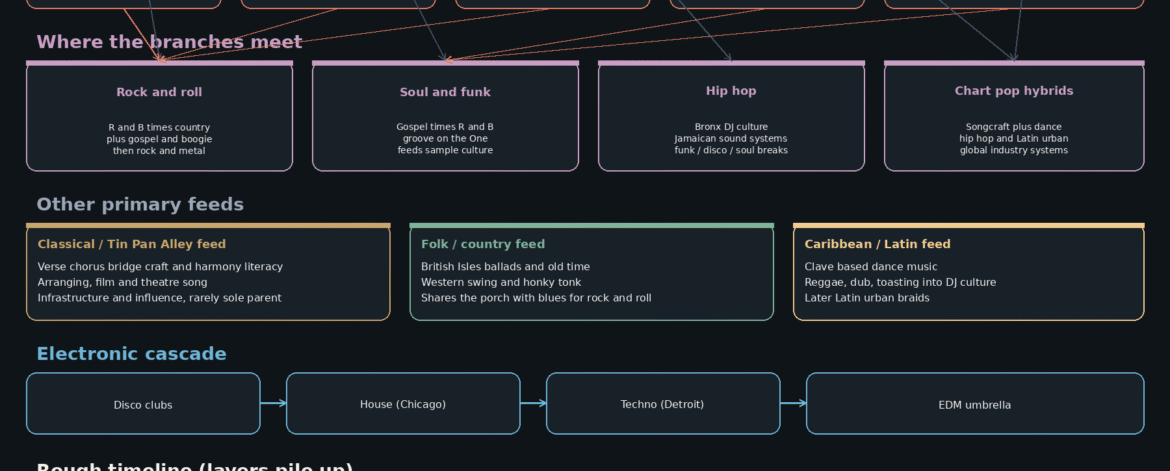
Disco in the late 1960s to 1970s rises from urban nightlife: African American, Latino, and Italian American club scenes, built on danceable soul, funk, and R&B. Disco is not a frivolous dead end. It is a bridge into the electronic dance lineage. Four on the floor, extended mixes, and DJ as author all gather heat here.
House music grows in Chicago’s queer Black club culture as an alteration of disco. Techno grows in Detroit with synth pop inputs (Kraftwerk, Giorgio Moroder, Yellow Magic Orchestra among the names histories usually cite) plus funk, electro, and house. Consumer electronics, drum machines, synthesizers, and later digital audio workstations sit under the whole umbrella. From the mid 1980s onward, “EDM” becomes a broad label covering trance, drum and bass, and a swarm of club styles.
The social scenes matter as much as the gear. Detroit and Chicago are industrial centres in the braided river sense, the same way New Orleans and Kingston are. Technology without community is just a manual. Community without technology still found a way to extend the break.
Guitarists sometimes treat EDM as “not our problem.” Fair enough for repertoire choice. Still useful to know why modern pop productions feel the way they do, and why a synth bass line can share DNA with funk even when no guitar is in the room. Your next session chart might ask for both.
How the branches meet: rock, soul, funk, hip hop, and pop fusion
Parallel roots are only half the story. The interesting nights are when rivers join.
Rock and roll is the classic flashpoint. Standard account (Britannica and broad consensus): rhythm and blues meets country. Gospel, electric blues, boogie woogie, jump blues, folk, jazz, and western swing also feed the brew. Mid 1950s youth culture and the modern chart idea of “pop” grow alongside it. British blues rock in the 1960s pushes into hard rock. Late 1960s and early 1970s UK and US hard rock, blues rock, and psychedelic or acid rock feed heavy metal. Punk arrives as another rupture. Psychedelic and progressive rock absorb classical gestures (odd metres, extended forms, orchestral colours) without becoming children of the conservatory. Quotation is not genealogy.
Soul and funk braid church and secular groove. Soul grows in the late 1950s to 1960s where gospel meets R&B. Motown, Stax, and Atlantic supply industry contexts. Funk, from the mid 1960s, centres groove. James Brown’s emphasis on the downbeat (“the One”) becomes a teaching shorthand for a reason. Jazz, blues, and R&B inputs sit underneath. Funk’s breakbeats and bass language later become raw material for hip hop sampling culture.
Hip hop is another meeting point, not a blues grandchild with a new name. Culture begins in the Bronx in the mid 1970s. DJ Kool Herc and Jamaican sound system influence are often cited around 1973. Breakbeats lifted from funk, disco, and soul records; MCing; graffiti; B boying. Britannica’s overview centres that block party and DJ matrix. Blues is a distant ancestor of the Black popular records being sampled. It is not a primary parent in the way R&B and country are for rock and roll. The Caribbean DJ link and the social world of the parties deserve equal weight.
Chart pop keeps absorbing. Mid century rock and roll and youth styles feed a commercial songcraft that later drinks from hip hop, dance, Latin, and country. Tin Pan Alley literacy never fully leaves. Global hybrids such as K pop (from the 1990s onward) mix Western dance, hip hop, R&B, and rock with local industry systems. Similar stories run through J pop, Bollywood film song, and regional charts worldwide. These are not classical plus blues children. They are further proof the two roots slogan fails outside a narrow US rock lens.
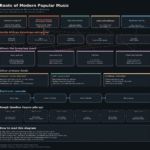
The branching map
FAQ: myth busting
Does all modern popular music come from classical and blues? No. Popular music is polygenetic and hybrid. Classical supplies much architecture of harmony and commercial song form. Blues is central for large guitar based clusters. Gospel, ragtime, jazz, country folk lines, Caribbean and Latin matrices, and DJ or electronic cultures are further primary roots for major genres. The slogan is a marketing myth and an oversimplified classroom catchphrase, not musicology.
Is blues the same as “the Black music root”? Incomplete. Spirituals and gospel, ragtime, and jazz are co foundational. Smithsonian and NMAAHC primers treat African American music as a complex, not a single genre label. Start with blues if you play guitar. Stay for the rest of the complex if you want truth. See also History of Blues Guitar on this site.
Is rock just blues for white audiences? Incomplete. Consensus overviews describe rock and roll as rhythm and blues meeting country, with gospel and other inputs in the mix. Race and industry politics shaped who got paid and who got marketed. The musical recipe is still a braid. Saying “just blues” erases half the porch.
Is classical the parent of jazz? Jazz uses European instruments, harmony, and forms. Britannica and Smithsonian stress African American hybridity and the New Orleans matrix. Calling jazz a classical offshoot mislabels the centre of gravity. Tools borrowed are not parents claimed.
Does EDM come from classical electronic experiments alone? No. Histories centre disco into house, Detroit techno’s social and technological mix, and consumer electronics, with European synth pop as one input among several. Lab tape pieces are cousins in the technology attic, not the sole parents of the club.
Is country purely Anglo folk? No. Britannica includes blues, gospel, Tin Pan Alley, and minstrel or vaudeville alongside British Isles ballad traditions. Purity narratives flatten the South.
Soft close for players
Better genealogy makes better listening. When you hear a chord change that feels “Tin Pan Alley,” name it. When a groove sits on the One, thank funk. When a breakbeat flips a party, remember the Bronx and Kingston. When a country walkup shares DNA with a blues turnaround, enjoy the porch where those neighbours met.
You do not need a doctorate to play with more context. You need curiosity and a map that admits more than two rivers. Practice rooms get less dogmatic when the timeline on the wall has branches.
If you want that map turned into fretboard habits, song studies, and repertoire choices tailored to you, Maxim’s Guitar Workshop is here. Book a Free Consultation, or check the Tuition Fee page when you are ready for ongoing lessons.
Listen wider. Practise deeper. Leave the marketing slogan on the shelf.